For individual coffees with minimal effort, consider a capsule or pod machine; some pod models can also make two cups at once. A portafilter machine is a good choice if someone wants to be involved in the brewing process, while an automatic bean-to-cup machine means you don’t have to measure out each coffee by hand, but it takes up more space and needs more maintenance. Whichever type you choose, check the drinks it can make, which consumables it accepts and how to clean it.
Which type suits your household?
Households with different schedules
If everyone makes their coffee at a different time, consider how easy the machine is to start, how accessible the water tank is and how used pods or capsules are removed. A wide choice of recipes matters less if nobody uses them.
Households that switch between coffee and milk-based drinks
Check that the machine can make the drinks you want, then look at what needs cleaning after preparing milk. A steam wand and a removable milk carafe don’t involve the same cleaning routine.
Households mindful of consumables and maintenance
The type of coffee a machine accepts determines which supplies you’ll need to keep on hand. If you use ground coffee or beans, also consider the steps involved and how much cleaning your household is happy to do regularly.
What should you compare for everyday use?
Start by thinking about how coffee is made in your household, then compare machines based on the drinks you want, the space you have and the maintenance you’re prepared to take on.
Capsules
Worth considering: if you want to make individual coffees with minimal effort and have limited space.
Things to bear in mind: check exactly which capsule format the machine accepts and how to dispose of used capsules.
Soft pods
Worth considering: for straightforward coffee-making, especially if a model that makes two cups suits your household’s routine.
Things to bear in mind: choose pods that fit the machine and check which drinks the model can make.
Portafilter
Worth considering: if someone wants to measure out the coffee and be involved in every brew.
Things to bear in mind: allow time to prepare the coffee and clean the portafilter.
Automatic bean-to-cup
Worth considering: if you regularly make coffee from beans without wanting to measure out each cup by hand.
Things to bear in mind: Que Choisir notes that these machines take up more space and make more noise than capsule systems, and also need regular maintenance.
| Consideration | What to check | Your needs |
|---|
| Making several coffees in a row |
Tank and container capacities; number of cups the machine can make per cycle; how easy it is to access parts that need filling or emptying. |
We make several coffees in a row, so I’d rather not have to stop between each one. If we drink coffee together, a machine that makes two cups per cycle could be useful. |
| Choice of drinks |
Accepted coffee formats; available cup sizes and settings; whether the specific model has a milk-frothing feature. |
We don’t all drink the same coffee, so I want to check which drinks everyone can actually make. |
| Maintenance |
Cleaning parts that come into contact with milk; access to containers and, depending on the model, the brew group; descaling instructions in the manual. |
If we often have milk-based drinks, cleaning the machine after use needs to fit into our routine. |
| Space and noise |
Dimensions and the clearance needed to remove tanks; noise levels in tests of comparable models. |
In a small kitchen, or if the first coffee is made early, I’ll check where the machine will go and how noisy it is before choosing a bean-to-cup model. |
| Availability |
Exact capsule or pod reference; availability of consumables and accessories that fit the model. |
I want to be able to find coffee that’s compatible with the machine through the shops and websites we usually use. |
What oversights could make it harder to use?
-
Overlooking cleaning after milk-based drinks
Milk residue should be removed promptly. With a bean-to-cup machine, the containers, brew group (if accessible) and descaling add to the regular cleaning tasks.
Read the manual for the model you’re considering and decide who will clean the parts that come into contact with milk after use.
-
Assuming consumables and parts are interchangeable
The format a machine accepts depends on the model. Accessories and replacement parts must also match its exact reference.
Make a note of the model and system before choosing capsules, pods or replacement parts, and check where you can buy them.
-
Forgetting about your kitchen space and household schedule
According to Que Choisir, an automatic bean-to-cup machine takes up more space and makes more noise than a capsule system. These differences matter if you make coffee in a small kitchen or at different times of day.
Measure the available space, including room to access the containers and water tank. If noise is a deciding factor, look at tests of comparable models.
Which brands are worth considering?
Nespresso
A useful starting point for exploring capsule machines and their coffee formats.
- Check the care instructions for the specific machine you choose.
- Check which capsule format the machine accepts. Nespresso advises against using vinegar to descale its machines.
SENSEO® / Philips
A soft pod system to consider if your household wants a straightforward way to make coffee.
- Philips says its SENSEO Original HD7817/01 model makes one or two cups; check that this feature is available on the model you’re interested in.
- Look up compatible accessories and parts using the model number.
De’Longhi
The brand offers portafilter machines and automatic bean-to-cup models, depending on how involved you want to be in making your coffee.
- Compare the steps involved and the settings on the specific model, rather than choosing by machine type alone.
- De’Longhi recommends cleaning parts that come into contact with milk promptly; other maintenance tasks depend on the model.
Machines to consider on Joybuy
These models show three ways to make coffee at home: with an automatic grinder, soft pods or capsules. When choosing between these machines and a portafilter model, think about how much time everyone wants to spend making coffee.
 Image unavailable
Philips Series 2200 EP2230/10 LatteGo glossy black
If your household wants to make coffee from beans and enjoy milk-based drinks, this machine with a grinder and LatteGo is worth a closer look. Check the tank capacities, how many drinks it can make in a row and what needs cleaning after using milk.
View on Joybuy
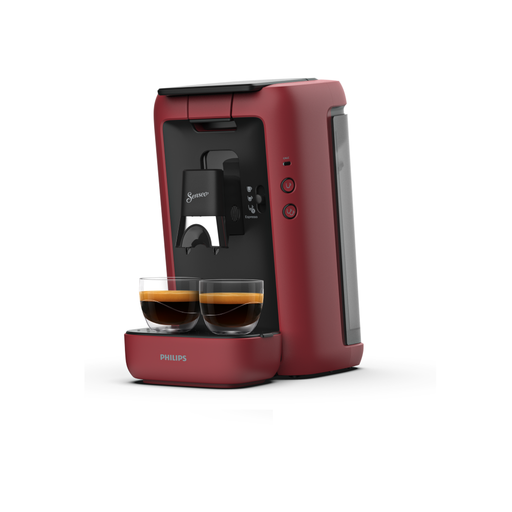 Image unavailable
Philips SENSEO Maestro CSA260/91 deep red
This SENSEO is a pod-machine option for everyday coffee. If two people usually have coffee together, check how many cups it can make per cycle and which pod format it accepts.
View on Joybuy
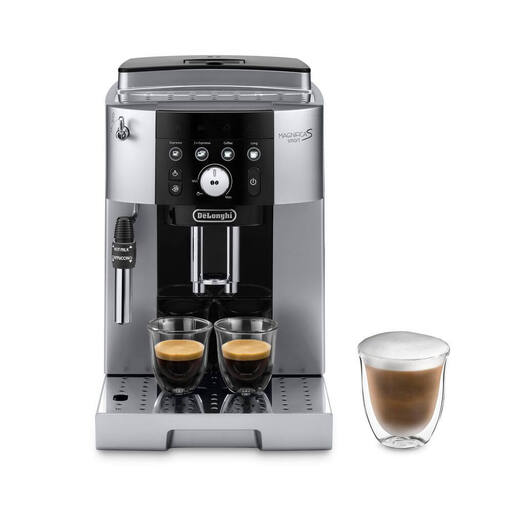 Image unavailable
De’Longhi Magnifica S Smart ECAM250.23.SB silver
This automatic bean-to-cup machine is designed for households that want to use whole beans without measuring out each coffee by hand. Consider the space it needs, the settings that suit everyone and how to clean the parts that come into contact with milk.
View on Joybuy
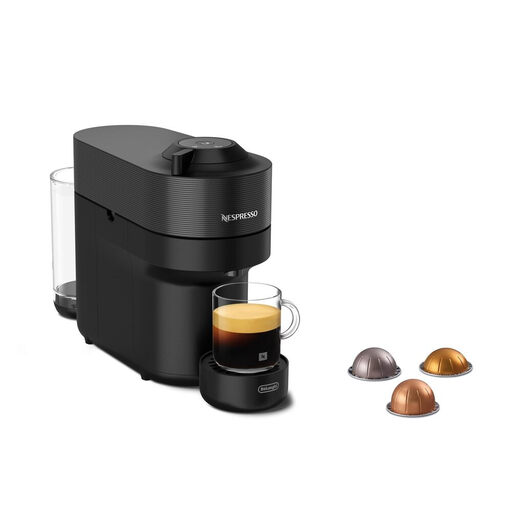 Image unavailable
Nespresso Vertuo Pop ENV90.B black, 0.6 L
This Vertuo capsule machine could be a good option if you make coffee one cup at a time. Its tank capacity is listed as 0.6 L; check that the Vertuo format and how often you’ll need to refill it suit your household.
View on Joybuy
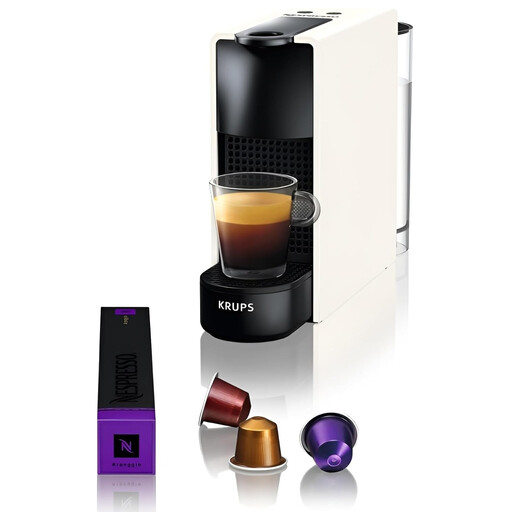 Image unavailable
KRUPS Nespresso Essenza Mini white, 0.6 L, 1200 W
If you usually make one coffee at a time, this capsule machine is another option to consider. Its name indicates a 0.6 L tank; check which capsule format it accepts and how much space you have before choosing it.
View on Joybuy
Frequently asked questions
How often should you descale an espresso machine?
Start by following the manual and any alert on your machine: how often you need to descale depends on water hardness and how frequently you use it. Que Choisir suggests an average interval of two to three months. Allow time for the process too; De’Longhi says descaling the Magnifica S featured in its documentation takes around 45 minutes.
Is an automatic bean-to-cup machine suitable for making several coffees a day?
It can be, if your household has enough space and is happy with the noise and maintenance involved. When comparing models, look at the water and bean capacities, the settings and how easy it is to access the used-coffee container and brew group if it’s removable. Que Choisir’s grinder tests also assess how consistently the machine dispenses coffee across consecutive cups.
When should you clean parts that come into contact with milk?
Clean them promptly after use. De’Longhi recommends removing milk residue before it dries; follow your model’s manual for instructions on cleaning the steam wand, carafe or any other parts involved.
Where can you recycle aluminium or plastic coffee capsules in France?
According to ADEME, aluminium or plastic coffee capsules should go in the sorting bin, bag or container for paper and packaging.


