If you mainly make espressos and enjoy adjusting the grind and handling a portafilter, choose a manual machine, either with a separate grinder or a built-in one. If you prefer one-touch coffee, consider a bean-to-cup machine. For the occasional latte, a steam wand may suit you without the need for an automated milk carafe, as long as you’re happy to froth the milk and clean the wand yourself. Whatever you choose, compare the cleaning routines before you buy.
Which setup is right for you?
Your choice depends less on the number of drinks advertised and more on the steps you want to take each day, for both coffee and milk.
Espresso fans who enjoy making their coffee
If you’re happy to grind, measure, tamp and clean a portafilter, a manual machine lets you take control at every stage. A steam wand also lets you prepare milk as needed, though you’ll need to clean it after use.
Households who prefer one-touch coffee
A bean-to-cup machine is a good choice if several people want to make coffee from beans without handling a portafilter. Preparation is automated, but you’ll still need to maintain the trays, any milk system and the descaling routine.
People who switch between regular and decaffeinated coffee
If you often change the coffee you use, check how the machine handles beans already in the hopper. A separate grinder lets you manage the grind independently; some automatic models have interchangeable hoppers or an inlet for pre-ground coffee. Check these features on the model you’re considering.
What should you look for before choosing?
First decide between manual preparation and automated coffee, then choose how you want to prepare milk based on how often you’ll use it. Finally, check the cleaning requirements and how each shortlisted model handles different beans.
| What to consider | What to check | Think about your habits |
|---|
| Making espresso |
With a manual machine, consider the steps involved in grinding, measuring and tamping. With a bean-to-cup machine, look at the settings available for one-touch drinks. |
I enjoy adjusting my coffee and handling a portafilter; or I’d rather make my everyday espresso with fewer steps. |
| Milk-based drinks |
Distinguish between a steam wand you use manually and an automated milk carafe or system. Compare the rinsing process and the parts that need washing after each use. |
For the occasional latte, I may not need a carafe that requires cleaning. If I make milk-based drinks regularly, automated recipes may matter more. |
| Cleaning and maintenance |
Check the manual for details on the trays, brew group if it’s removable, milk system and descaling alerts. According to De’Longhi France, descaling frequency depends in part on water hardness. |
I want to know which parts need cleaning after making coffee or a milk-based drink, and which tasks will need doing regularly. |
| Changing coffee |
Check whether the machine has a single hopper, interchangeable hoppers or an inlet for pre-ground coffee. De’Longhi, for example, features a bean-switching system on its Rivelia; this is not a feature of every model. |
I often switch between regular and decaffeinated coffee, so being able to change beans without constantly emptying a hopper matters to my routine. |
Which choices are worth thinking through?
-
Getting a milk carafe when you only make the occasional latte
A carafe automates some drinks, but its parts need cleaning too. For occasional use, a steam wand may be a better fit if you’re happy to froth the milk yourself.
Think about how often you’ll make milk-based drinks, then compare the manuals’ cleaning instructions for the wand and carafe after use.
-
Assuming a bean-to-cup machine takes care of all the cleaning
One-touch preparation doesn’t remove the need to clean accessible parts or descale the machine. According to De’Longhi France, water hardness is one factor that affects how often descaling is needed.
Before you buy, check the manual for the model’s regular maintenance tasks, alerts and compatible consumables.
Depending on the model, maintenance may also involve descaling products and replacing filters or products for the milk system.
-
Choosing a single hopper if you often switch between beans
Regularly switching between regular and decaffeinated coffee can mean having to deal with the beans left in the hopper.
Consider using a separate grinder, or check whether the specific model has interchangeable hoppers or an inlet for pre-ground coffee.
-
Choosing a machine based only on its recipes
An advertised recipe doesn’t tell you what you’ll need to do after making the drink, especially when it comes to cleaning the milk system. Que Choisir treats cleaning as an essential part of keeping a machine working well.
Compare the recipes you’ll actually use, then read the cleaning instructions for the models still on your shortlist.
Which brands illustrate these setups?
These examples show different approaches. The features mentioned apply to the models listed, not to every machine from each brand.
Sage
Sage offers portafilter machines, including the Barista Express with its built-in grinder.
- Sage lists 16 grind settings for the Barista Express.
- A built-in grinder doesn’t mean you can skip handling and cleaning the portafilter.
De’Longhi
The brand offers automatic bean-to-cup machines as well as manual machines.
- De’Longhi features a bean-switching system on its Rivelia, which is worth considering if you regularly switch between coffees.
- This feature varies by model; you’ll still need to descale as directed by the machine, taking water hardness into account.
Philips
Philips offers bean-to-cup machines with milk-based recipes and, on some models, a LatteGo carafe.
- Philips describes the LatteGo carafe on the 3300 Series EP3341/50 as having two parts and no tubes.
- According to Philips, using the AquaClean filter as directed can delay descaling; it doesn’t remove the need to descale the machine or clean the milk system.
Coffee machines to consider on Joybuy
These options cover several ways to make espresso at home: an automatic bean-to-cup machine with an automated or manual milk system, a portafilter machine with a built-in grinder, and a portafilter machine that uses ground coffee. Start by choosing the steps that suit you for making coffee and preparing milk.
 Image unavailable
Philips 2200 Series EP2230/10 LatteGo, glossy black
Worth considering if you want to pair espresso preparation with a LatteGo milk system. Before choosing, compare the cleaning requirements for the parts and the descaling instructions for the EP2230/10.
View on Joybuy
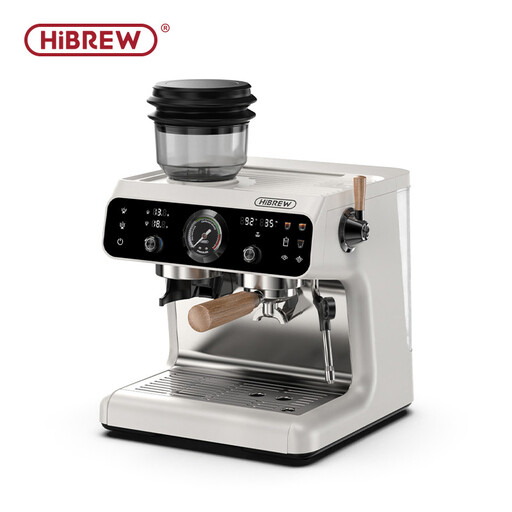 Image unavailable
HiBREW H7B, built-in grinder with 30 settings
This setup is for anyone who wants to adjust the grind while making espresso with a portafilter. The steam wand means you’ll need to froth the milk yourself and clean the wand after making a milk-based drink. Check the manual for routine maintenance too.
View on Joybuy
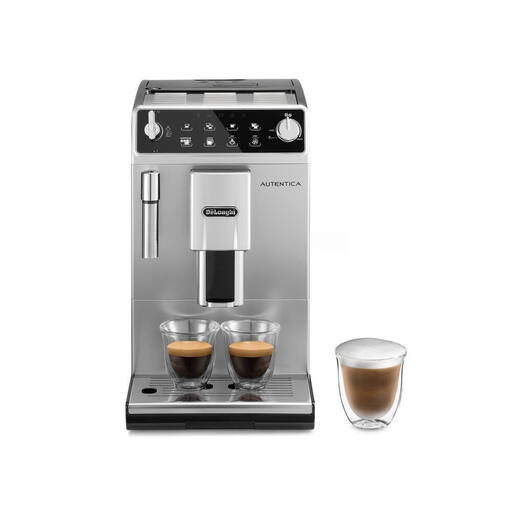 Image unavailable
De’Longhi Autentica ETAM29.510.SB, grey
Its built-in grinder is suited to a bean-to-cup espresso routine. For milk-based drinks, you’ll need to prepare the milk manually and clean the steam wand yourself. Check the model’s maintenance instructions.
View on Joybuy
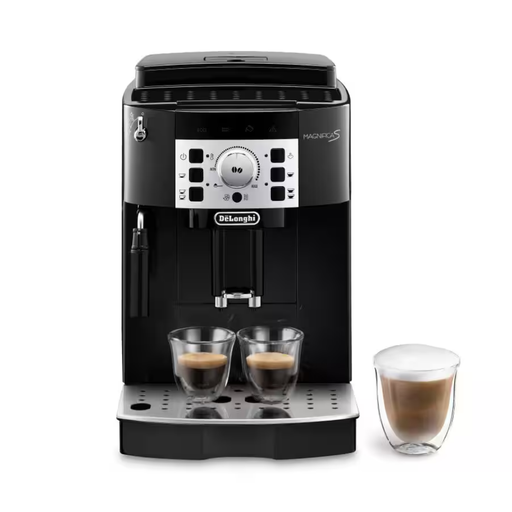 Image unavailable
De’Longhi Magnifica S ECAM22.140.B, black
This model’s built-in grinder makes it suitable for automated coffee preparation, while frothing milk remains a manual step. If you make lattes, factor in the cleaning needed for the wand and check the manual for descaling instructions.
View on Joybuy
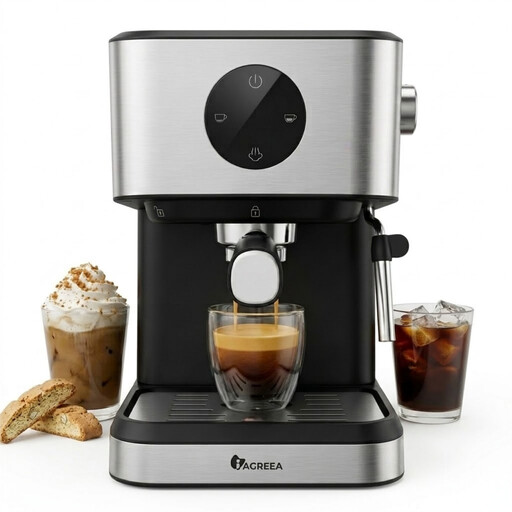 Image unavailable
IAGREEA, 20 bar espresso machine with 50 oz water tank
This machine with a steam wand is for anyone happy to prepare espresso and milk manually. The 20 bar pressure is a product specification, not a measure of cup quality on its own. If you want to grind your own beans, consider a separate grinder.
View on Joybuy
Frequently asked questions
Do I need a milk carafe if I mainly drink espressos?
Not necessarily. For the occasional milk-based drink, a steam wand may be suitable if you’re happy to froth the milk and clean the wand yourself. If you often make cappuccinos or lattes, compare the automated recipes and the cleaning requirements for their milk systems.
Does an anti-scale filter remove the need to descale?
No. Philips says the AquaClean filter can delay descaling for up to 5,000 cups under the stated conditions, including when it’s replaced when prompted by the machine. Philips Support says descaling is still needed after eight filter cycles. Check the instructions for the model you choose.
What maintenance should I compare before buying?
Compare the parts that need emptying or washing, milk system cleaning, access to the brew group if it’s removable, descaling alerts and compatible consumables. Que Choisir highlights the importance of cleaning to keep a machine working well; the manual explains what each model requires.
What should I do if a new machine bought from a retailer in France has a fault?
Report the problem to the seller and keep your proof of purchase. The French Ministry of the Economy explains that the statutory legal guarantee of conformity applies to goods sold by a business to a consumer, including new goods. Whether it covers the problem you’ve encountered depends on the nature of the fault.


