What should you check before choosing?
UFC-Que Choisir distinguishes between four types of espresso machine. The main differences come down to the type of coffee used and the steps involved in making it each day.
Capsules
Worth considering: if you want a guided brewing process using capsules designed for the machine.
Bear in mind: your choice of coffee depends on the capsule system you choose, which also determines what you’ll need to buy in future.
Soft pods
Worth considering: if you’d rather pop in a pod than measure and tamp ground coffee.
Bear in mind: the pods must be the right format for your machine.
Portafilter
Worth considering: if you want to choose your ground coffee and take an active part in making it.
Bear in mind: you’ll need to fill, tamp and empty the portafilter. De’Longhi notes that the grind, amount of coffee and tamping can all affect the flow.
Bean-to-cup grinder
Worth considering: if you want to use whole beans without having to grind them yourself for every cup.
Bear in mind: automation doesn’t remove the need to descale. De’Longhi says how often you need to do this depends in part on your water hardness.
| What to consider | What to check | What I need |
|---|
| Daily routine |
Check what type of coffee the machine takes. Find out what you need to insert, measure or tamp for each cup. |
I want to know whether making coffee will fit into my routine, or whether I’d rather spend time adjusting the settings. |
| Ongoing purchases |
Find out which coffee or consumables are compatible, along with the filters and cleaning products recommended for the model. Compare costs over the same period, based on how many cups you usually make. |
If I make coffee every day, I want to plan for the things I’ll need to replace. |
| Maintenance |
Check the instructions for rinsing, cleaning and descaling. Make sure you can easily access the parts that need cleaning and check the parts available for the exact model. |
I’d rather know what regular maintenance is involved before choosing a machine, even if it makes coffee automatically. |
| Choice of coffee |
Check which capsule system or pod format the machine takes. For a portafilter or grinder, check which types of coffee are suitable for the model. |
If I want to buy ground coffee or whole beans, I need to choose a machine that takes that format. |
| Space and noise |
Compare the machine’s dimensions with the space you have available. For noise levels, look for tests of the exact model rather than assuming they’ll be the same across its machine type. |
My machine will sit on the worktop, so its size and the noise it makes while brewing both matter to me. |
Espresso machines available from Joybuy
These models show three ways to make espresso at home: capsules, a portafilter and a bean grinder. Compare the type of coffee they use and the steps involved with your daily routine.
 Image unavailable
Philips Series 2200 EP2230/10 LatteGo, Glossy Black
This machine with a grinder is for anyone who wants to make espresso from whole beans without grinding them separately. Check the instructions to see what cleaning is involved and which accessories you’ll need, especially if you plan to use a water filter.
View on Joybuy
 Image unavailable
KRUPS Nespresso Essenza Mini, 0,6 L, 1 200 W, Pure White
This capsule machine offers a straightforward way to make espresso. Before choosing it, check that the capsules you want to buy are compatible with the Nespresso Original system.
View on Joybuy
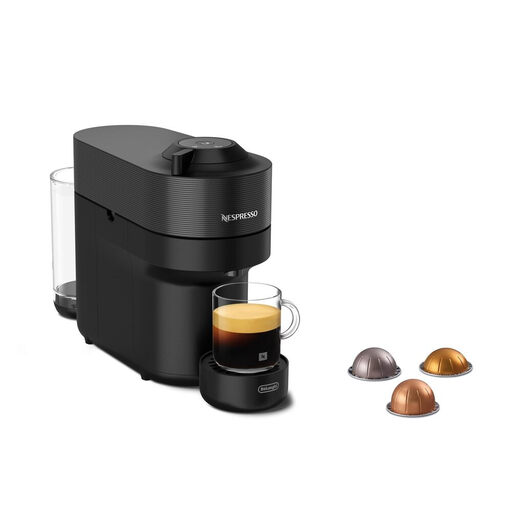 Image unavailable
Nespresso Vertuo Pop ENV90.B, 0,6 L, black
Consider this Vertuo capsule machine if you want to make espresso as well as other cup sizes. Check that Vertuo capsules are right for the coffee you plan to buy; they aren’t interchangeable with capsules for the Original system.
View on Joybuy
 Image unavailable
De’Longhi Magnifica S ECAM22.140.B, black
This automatic machine with a grinder is for anyone who wants to use whole beans without having to grind them by hand. If you’re also considering pre-ground coffee, check the instructions. Measure your available space and remember to descale the machine as recommended by De’Longhi.
View on Joybuy
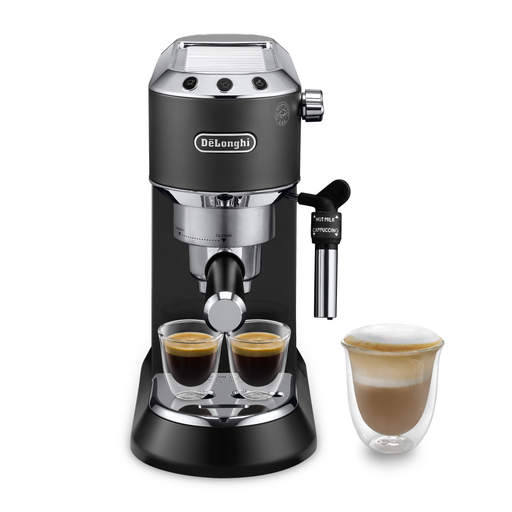 Image unavailable
De’Longhi Dedica Style EC685.BK, 15 Bar, black
This portafilter machine is for anyone who wants to measure and prepare their own ground coffee. If you plan to use ESE pods, check which filters are suitable. You’ll also need to empty the portafilter and clean the steam wand after use.
View on Joybuy
Frequently asked questions
Which machine involves the fewest steps for everyday espresso?
Compare capsule and soft pod machines with automatic grinders if you’d rather not measure and tamp the coffee yourself. A portafilter requires these steps; a grinder automates the grinding, but every type of machine still needs maintenance, so check what’s involved.
Can a capsule machine take any type of capsule?
No. Choose capsules that are compatible with the machine’s exact system. Nespresso, for example, has separate Original and Vertuo systems. Check the machine and capsule packaging before you buy.
Does a home espresso machine need descaling?
Descale your machine as instructed in its manual. Philips recommends regular descaling for Senseo machines; De’Longhi says that for its espresso machines with grinders, how often you need to descale depends on water hardness.
What should I check for maintenance and possible repairs?
Check the instructions, make sure you can access the parts that need cleaning and find out which parts are available for the exact model. Also look into the repair options and how long spare parts are expected to be available for that machine, rather than relying on a general category rating.
Where can I recycle used capsules in France?
ADEME advises putting aluminium or plastic capsules in the recycling bin, bag or container for paper and packaging. Check your local authority’s guidance if you’re unsure; some brands also offer collection points.


