Anyone keeping an eye on the cost per cup
If you make coffee often, compare the ongoing cost of consumables rather than just the price of the machine. A bean-to-cup machine is worth considering, but factor in the initial outlay and maintenance.


For short or long coffees at home, start by choosing the amount of preparation you’re happy to do each day: pre-measured portions to keep things simple, a portafilter for more hands-on brewing, or a bean-to-cup machine for using whole beans automatically. Then compare the cost per cup, the space available and the maintenance required. If several people will be using the machine one after another, also check how long each drink takes to prepare and how consistent the results are.
If you make coffee often, compare the ongoing cost of consumables rather than just the price of the machine. A bean-to-cup machine is worth considering, but factor in the initial outlay and maintenance.
Capsule and soft coffee pod machines are worth a look if you want a simple routine and a compact appliance. Check which format the machine accepts and make sure you can get hold of the consumables you plan to use.
A portafilter lets you make coffee from ground beans with a few more steps, while some bean-to-cup machines automate the process. The right choice depends on how much time you want to spend making each cup and cleaning the machine.
The four categories identified by UFC-Que Choisir involve different levels of hands-on preparation. Start by choosing how you want to make your coffee, then weigh that against the factor that matters most in your household.
Worth considering: if you want to keep handling to a minimum and have a compact machine.
The trade-off: your choice of capsules depends on which system the machine accepts, and it’s worth comparing the ongoing cost.
Worth considering: if you want push-button preparation, particularly for one or two cups on models that offer this option.
The trade-off: soft coffee pods aren’t interchangeable with capsules, so check which format the model you choose accepts.
Worth considering: if you want to use ground coffee and take a more hands-on approach to each cup.
The trade-off: filling the portafilter, measuring out the coffee and cleaning the parts you’ve used all add steps to your routine.
Worth considering: if you regularly use whole beans and prefer an automated brewing process.
The trade-off: according to UFC-Que Choisir, these machines require a higher initial outlay and generally take up more space than capsule systems.
| Criteria | What to check | Who it matters to |
|---|---|---|
| Running costs and consumables | Compare the cost per cup using the consumables you’ll actually use, and check that they’re compatible with the machine. | When the coffees add up over the weeks, I want to keep recurring costs under control without relying on a format that’s hard to find. Around 27% of consumers make this their top priority. |
| Speed and size | Check the dimensions, allowing room to access the water tank, and look at the preparation and preheating steps. | In the morning, I want to make my coffee without adding lots of extra steps, but my worktop space is limited. This is the top priority for around 27% of consumers. |
| Making several coffees in a row | Look for tests covering multiple cups, preparation time and how often you need to refill or empty the trays. | When several people are waiting for a drink, I don’t want to judge the machine by its water tank alone: how well it handles one cup after another matters more. Around 20% of consumers prioritise serving drinks in succession. |
| Coffee choice and preparation | Decide whether you want to make coffee from ground beans, use whole beans or stick to compatible pre-measured portions. | I prefer to choose my coffee and decide how much of the preparation I do myself, even if it takes longer. For around 13% of consumers, being hands-on is the top priority. |
| Maintenance | Check the model’s instructions for descaling, cleaning accessible parts and, if fitted, maintaining the milk system. | I want to be able to keep up with the cleaning the machine actually needs day to day. Maintenance is the top criterion for around 13% of consumers. |
According to UFC-Que Choisir, many machines only accept one type of capsule. This can limit your options for buying supplies and affect running costs.
Check exactly which system the model accepts and compare the capsules you’d actually buy.
A grinder automates preparation, but the trays, the brewing unit on some models and the circuits that need descaling still require attention.
Check the instructions to find out which parts need cleaning, how to descale the machine and how to maintain the milk system if you plan to use it.
Also allow time for these tasks and check whether the model needs specific cleaning products or filters.
Products and procedures vary between manufacturers and models. Instructions for one range won’t necessarily apply to every machine.
Follow the instructions for your exact model and take account of the guidance on usage and water hardness.
A large tank doesn’t tell you how long the machine takes to preheat, how quickly it works or how consistent successive cups will be. UFC-Que Choisir’s testing protocol looks at consistency, among other things.
If you share the machine with others, look for tests of the model you’re considering and check which trays need emptying between drinks.
A brand to consider for capsule machines and guidance on maintaining them.
A range to consider if you want to make coffee with soft pods.
Manual portafilter and automatic bean-to-cup ranges let you compare two ways of making coffee.
A brand featured in documentation for Philips, Senseo and Saeco coffee machines.
These models show three ways to make coffee at home: bean-to-cup, portafilter and Senseo. For the Senseo model, check which consumable format it accepts before choosing your coffee portions.
 Image unavailable
Worth considering if you want to regularly make coffee from whole beans using an integrated grinder. This model features LatteGo in its name; check the drinks it offers and the maintenance steps in its manual before choosing.
 Image unavailable
Worth considering if you want to make coffee from whole beans and have a milk system. The product name states that it offers six drinks and a touchscreen; check the manual for the exact recipes and instructions for maintaining the milk system.
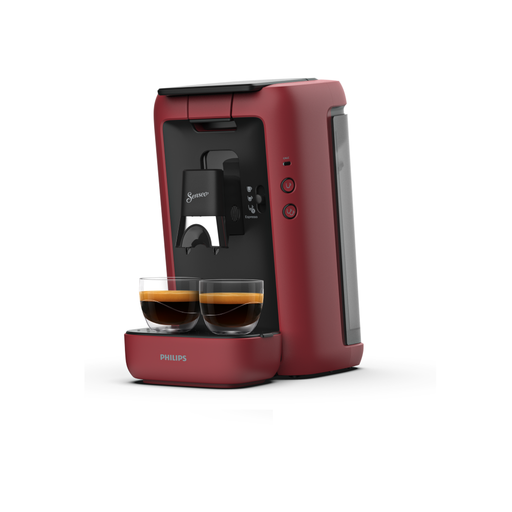 Image unavailable
Worth considering if you prefer to make coffee using pre-measured portions. Before buying, check the CSA260/91 manual to confirm exactly which format it accepts: ‘capsule’ and ‘pod’ shouldn’t be assumed to mean the same thing.
 Image unavailable
Worth considering if you want to use whole beans in an automatic espresso machine. If several people will be using it, check how it handles successive cups and what cleaning this particular model requires.
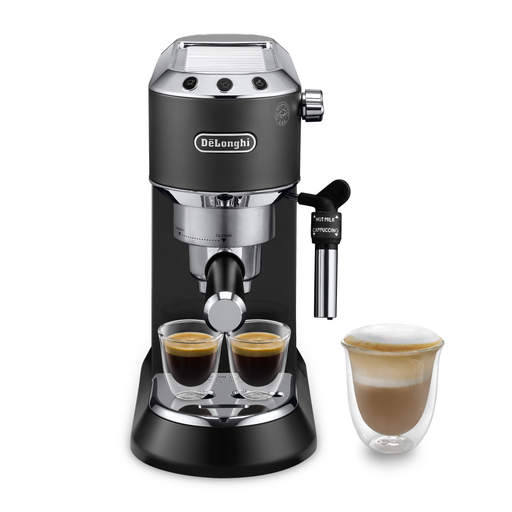 Image unavailable
Worth considering if you prefer a portafilter machine and are happy to do the preparation and cleaning it involves. The product title states 15 bar; check the water tank capacity on the listing for the exact model before choosing it for a household with several coffee drinkers.
Choose a machine based on how well it serves several cups, not just the size of its water tank. Check the preheating time, the wait between drinks and which trays need emptying. If tests are available for the model, look at how consistent the cup sizes are too; UFC-Que Choisir includes this in its testing protocol.
Follow the schedule and procedure for your model, taking usage and water hardness into account. UFC-Que Choisir gives a typical guideline of every two to three months, depending on these factors, but instructions for manual Philips/Saeco machines may differ. Don’t apply them to another model.
ADEME advises putting aluminium or plastic capsules in the recycling bin, bag or container for paper and packaging. If waste disposal is an important factor in your choice of machine, also check which type of consumable it accepts.
According to the Ministry of the Economy, the legal guarantee of conformity in France applies to new, second-hand and refurbished goods sold by a professional to a consumer. Keep the product description and proof of purchase. Any commercial guarantee offered is separate and doesn’t replace your legal guarantee.