Households keeping an eye on the cost per cup
You regularly make several espressos and want to compare the ongoing cost of coffee and maintenance, even if that means considering a machine with a higher upfront price.


If your household regularly makes several espressos, first decide whether you prefer the simplicity of pre-portioned coffee or the freedom to use ground coffee or beans. Capsules and soft pods take little effort to prepare each cup. A portafilter gives you more hands-on control, while a bean-to-cup machine is worth considering if you’re happy to pay more upfront and carry out regular maintenance in return for choosing your own beans.
You regularly make several espressos and want to compare the ongoing cost of coffee and maintenance, even if that means considering a machine with a higher upfront price.
You want to make coffee quickly, without measuring it out by hand, and are happy to check that compatible capsules or pods are available.
You want to choose your coffee or have more control over how your espresso is made. A portafilter involves more hands-on steps, while a grinder means extra cleaning to factor in.
Worth considering: if you prefer quick preparation with pre-portioned capsules.
Bear in mind: your choice of coffee depends on the compatible format, and regular capsule purchases add to the cost of use.
Worth considering: if you want a simple way to make coffee with soft pods, without having to adjust a grinder.
Bear in mind: you’ll need to choose pods that suit the machine and keep descaling it.
Worth considering: if you want to choose your ground coffee and have a hand in dosing and extraction.
Bear in mind: making coffee and cleaning up afterwards involve more hands-on steps.
Worth considering: if you regularly make several espressos and want to choose your own coffee beans.
Bear in mind: the higher initial outlay and the need to clean the machine regularly.
If your household often makes several espressos, start with your main priority, then compare models by checking the features that matter to you. UFC-Que Choisir distinguishes between the four types of machine and points out that the cost of coffee per cup can affect whether a grinder is worthwhile when you use it regularly.
| Criterion | What to check | Who is it for? |
|---|---|---|
| Cost of use | Based on the number of cups you usually make, compare the coffee or compatible portions and the maintenance consumables required for each model. | If I make several coffees every day, I want to know how much it’ll cost to make them over time; around 33% of consumers would put this cost first. |
| Ease of preparation | Check the steps involved in making several cups and the daily routine set out in the manual. | When several people use the machine, I’d prefer everyone to be able to make their coffee without measuring it out by hand; around 27% of consumers would put this ease of use first. |
| Choice of coffee | Check which format the machine accepts and, if you want to customise your drink, which settings the model actually offers. | I want to be able to change my coffee or adjust how my espresso is made; around 20% of consumers would prioritise this freedom of choice. |
| Maintenance and lifespan | Check the manual for descaling instructions, access to the parts that need cleaning and any steps required for a milk system. | Before using the machine regularly, I want to be able to clean its parts easily and know which steps I’ll need to repeat; around 20% of consumers would put maintenance first. |
A machine used regularly to make several espressos also means ongoing purchases of coffee and maintenance products. UFC-Que Choisir notes that coffee beans can work out cheaper per cup than pods, but the costs for your household will depend on the products you choose and how many coffees you make.
Compare systems based on your usual consumption and the consumables listed in each model’s manual.
A grinder has additional parts, including a coffee grounds container and components involved in making the coffee. It still needs descaling, and if the machine makes milk-based drinks, the milk system also needs particular attention.
Before choosing a model, check its manual to see how to remove and clean the accessible parts, and how to descale it.
Every capsule you use still creates packaging that needs to be dealt with. ADEME provides sorting guidance for aluminium and plastic capsules, but the fact that they can be sorted does not, on its own, determine the environmental impact of a system.
If packaging matters to you, check which consumables the machine uses and the sorting guidance that applies where you live.
Making milk-based drinks means maintaining extra parts that come into contact with milk. UFC-Que Choisir recommends rinsing the steam wand after use, following the machine’s instructions.
Check whether your household will use this function and read the instructions for rinsing and dismantling the system on the model you’re considering.
An option for households that want to make coffee with capsules compatible with their chosen machine.
A range to consider if you want to make coffee with soft pods and don’t need an integrated grinder.
A brand to consider when comparing bean-to-cup espresso machines and their model-specific maintenance procedures.
A brand to compare among bean-to-cup espresso machines, especially if limescale management matters to you.
Another bean-to-cup espresso machine brand to consider, comparing the settings and maintenance requirements of each model.
These Joybuy models let you explore three ways to make coffee at home: a bean-to-cup grinder, SENSEO pods and a portafilter. Before choosing, compare the coffee format and maintenance steps with your usual routine.
 Image unavailable
Worth considering if your household wants to make espresso with coffee beans and is also interested in milk-based drinks.
The model name indicates a grinder and the LatteGo system. Check the manual for cleaning instructions and compatible consumables.
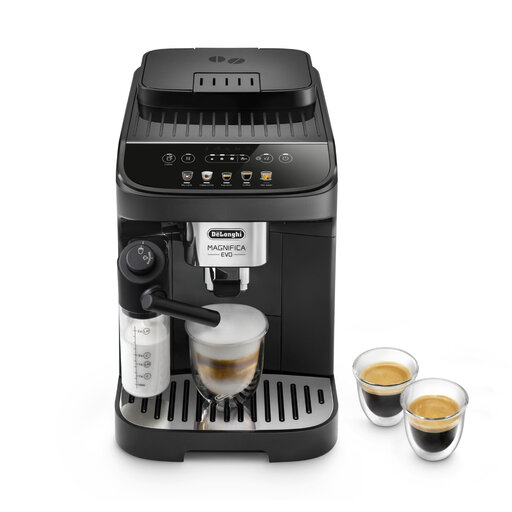 Image unavailable
Worth considering if you’re looking for an automatic machine for the household’s espressos and are also interested in milk-based drinks.
This model is associated with the LatteCrema system. Check which drinks this version offers and read the manual for instructions on cleaning the milk system.
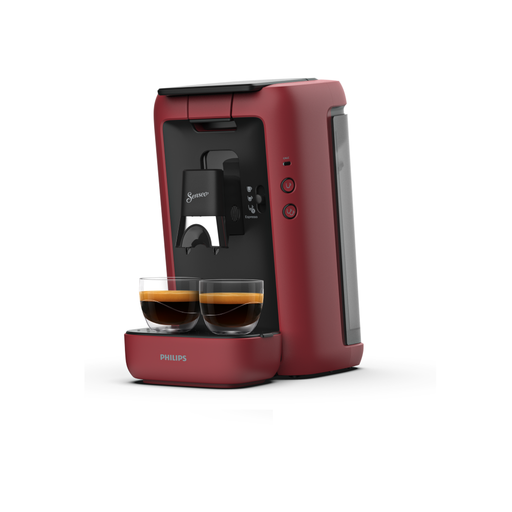 Image unavailable
Worth considering if you prefer pre-portioned coffee to adjusting a grinder or using a portafilter.
SENSEO is part of the name of this Maestro version, but information about its consumable format varies. Confirm which pods or capsules are compatible with model CSA260/91 before buying.
 Image unavailable
Compare it with other bean-to-cup machines if your household wants to make espresso from beans and is interested in milk-based drinks.
The product name mentions a grinder and a cappuccino system. Check the H16 manual for the drinks it can make and the model-specific maintenance steps.
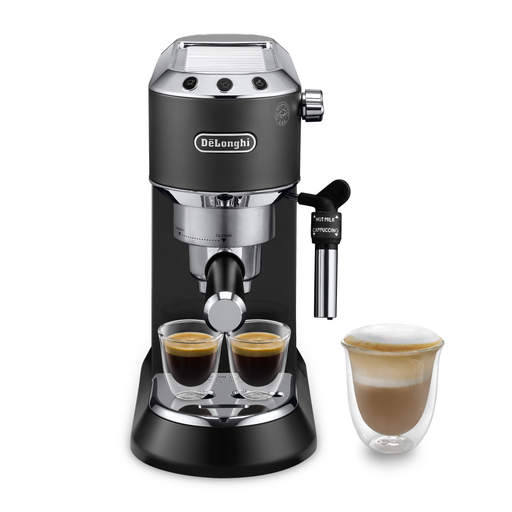 Image unavailable
Worth considering if you prefer making your household’s espressos with a portafilter and are happy with the hands-on steps involved.
The water tank capacity is listed differently in information about this model; confirm it before deciding whether it suits the number of coffees you make at home.
A bean-to-cup machine is worth comparing with pods or capsules if your household regularly makes several coffees and you’re happy to maintain it. UFC-Que Choisir says coffee made with a grinder can work out cheaper per cup than pod espresso. To help you decide, compare the number of cups you make, the coffee you choose and the consumables required by the models you’re considering.
Yes, these machines need descaling too. Philips France generally recommends descaling SENSEO machines every three months, while Nespresso France says to adjust the frequency according to water hardness and how much the machine is used. Follow the instructions for your model.
Check the manual for the specific model to find out whether the parts that need cleaning are easy to access and what descaling involves. Also look at the manufacturer’s information about support, maintenance parts and repair conditions. Don’t judge a machine’s reliability solely by whether these services are available.
ADEME advises putting aluminium and plastic capsules in the recycling collection for paper and packaging. Also check your local authority’s guidance and, if you plan to use a collection point, which formats it accepts.