Espresso-making enthusiasts
You want to choose your ground coffee, measure and tamp it, and perhaps steam the milk yourself too. A portafilter machine suits you if you’re happy to work through the preparation steps and make room for the accessories.


Choose a manual machine if you want to measure and tamp the coffee yourself, a bean-to-cup machine if you’d rather make coffee from beans with fewer steps, or a capsule machine if convenience with every cup matters most. Whichever you choose, check the maintenance requirements, available space and drinks offered by the specific model. If espresso isn’t essential, a filter coffee machine serves a different purpose and is worth considering separately.
You want to choose your ground coffee, measure and tamp it, and perhaps steam the milk yourself too. A portafilter machine suits you if you’re happy to work through the preparation steps and make room for the accessories.
You want to use whole beans without measuring and tamping them for every cup. A bean-to-cup machine cuts down on these steps, but cleaning and descaling still need to be part of your routine.
You’d rather use pre-portioned coffee with minimal fuss. Before choosing a capsule machine, check which capsule format it uses, its descaling instructions and how to sort used capsules for recycling.
First decide whether espresso matters to you, then consider how many steps you’re happy to take for each cup. Installation, maintenance and supplies can then help you choose between two machines that seem to meet the same needs.
| Consideration | What to check | Who it suits |
|---|---|---|
| Hands-on preparation | Check the portafilter, tamping and whether you might need a separate grinder. | If I want to control the amount of coffee and the milk, I’m happy to put in a few more steps for each cup; around 27% of consumers prioritise this level of hands-on control. |
| Everyday use of whole beans | Compare the drinks on offer and the model’s cleaning and descaling requirements. | If I regularly make coffee from beans without measuring or tamping each time, I prefer automation; around 33% of consumers share this priority. |
| Capsule convenience | Check which capsule format is compatible and follow the care and recycling instructions. | When I want to handle the coffee as little as possible, pre-portioned capsules matter more than choosing the beans; around 20% of consumers put this convenience first. |
| Installation and supplies | Measure the space needed when the machine is in use and check the drinks you want, the consumables required and the noise level of the specific model. | If space or getting supplies makes my choice more complicated, I should also decide whether I really need espresso; these considerations come first for around 20% of consumers. |
A filter coffee machine makes a different kind of drink from an espresso machine. It’s worth considering if you prefer filter coffee or want to make larger quantities, but it isn’t a like-for-like replacement for a portafilter, bean-to-cup or capsule machine.
Philips and De’Longhi’s instructions cover descaling, cleaning away coffee residue and maintaining the brew group, depending on the model. So even with automated preparation, you’ll still need to carry out these tasks.
Read the instructions for the model you’re considering and check that you’ll be able to reach the tank, trays and parts that need cleaning once the machine is installed.
Depending on the model, you may also need to budget for descaling products, filters or other maintenance supplies.
The number of bars on its own doesn’t tell you how much preparation is involved, which drinks the machine can make or what maintenance it needs. A portafilter, bean-to-cup and capsule machine all work differently.
Start with the drink you make most often, then compare the functions and requirements of the exact model rather than judging the result in the cup from one figure alone.
The compatible format determines which capsules you’ll be able to use regularly. You’ll also need to find out how to sort or return them when they’re empty.
Check compatibility before you buy. In France, ADEME advises putting aluminium or plastic capsules in the paper and packaging recycling stream; also check your local authority’s guidelines.
You’ll need to keep buying compatible capsules and carry out the maintenance recommended for the machine.
A filter coffee machine is designed to make a different kind of drink. It may suit you if you’re flexible about espresso, but not if you need a small, espresso-style drink.
Decide what kind of coffee you want first. If espresso is essential, compare machines that make it before looking at their other features.
A brand to consider if you want to make espresso with a portafilter and get involved in steaming the milk.
A brand to consider for home bean-to-cup machines, with features that vary by model.
A brand to consider if you’re looking for a bean-to-cup machine with several pre-programmed recipes, depending on the model.
A brand to consider if you prefer pre-portioned coffee and are happy to choose a compatible capsule system.
These products let you explore different ways to make espresso at home: bean-to-cup machines, a model that combines espresso and filter coffee, a capsule machine and a portafilter machine. Compare their features and maintenance requirements based on the drinks you want to make.
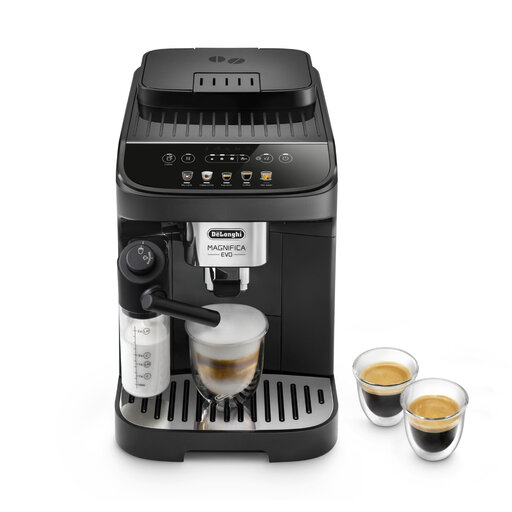 Image unavailable
Worth considering if you want to make coffee with an automatic machine rather than a manual portafilter. This variant’s name mentions the LatteCrema system; check which drinks it makes and how to clean the milk circuit on the ECAM290.61.B.
 Image unavailable
This bean-to-cup machine may suit coffee drinkers who want to make espresso from beans with fewer manual steps. The variant is named LatteGo; check the EP2230/10 instructions for available drinks, cleaning and descaling.
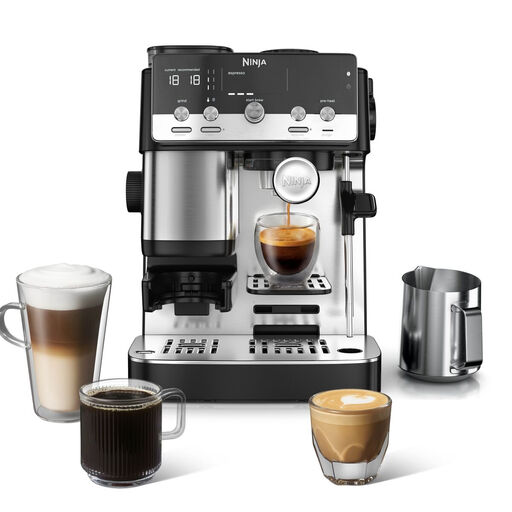 Image unavailable
Worth considering if you want both types of coffee rather than just a filter coffee machine. The ES301EU is described as having a built-in grinder; check its milk frother set-up and dimensions before deciding where to put it.
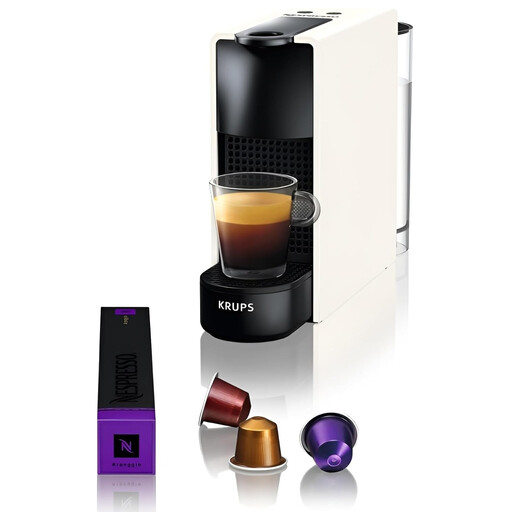 Image unavailable
Worth considering if you prefer using pre-portioned capsules to handling ground coffee or beans. The product name lists a 0,6 L tank; check which capsules are compatible and the model’s descaling instructions.
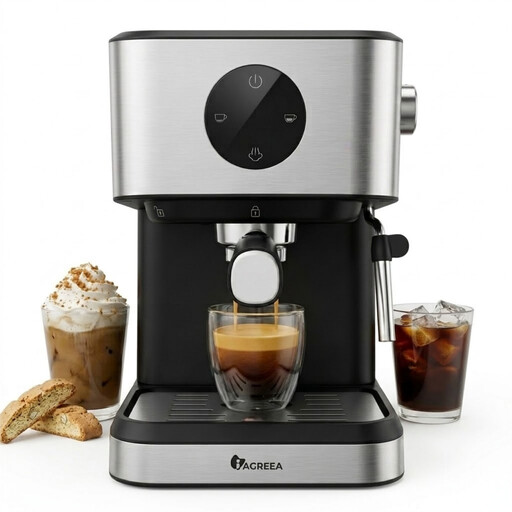 Image unavailable
Worth considering if you want to be involved in making your coffee and use a steam wand yourself. The title lists a pressure of 20 Bar and a 50 Oz tank, but these figures don’t determine the result in the cup. Also check the machine’s dimensions and that its power requirements suit your set-up.
No. A manual machine is best if you want to measure and tamp the coffee yourself. If you’d rather use beans with fewer steps, consider a bean-to-cup machine. If you want the simplest way to handle coffee, look at capsule machines and check which system they use.
Yes. Philips gives instructions for descaling, cleaning away residue and maintaining the brew group on some of its models; De’Longhi also publishes model-specific procedures. Your machine’s instructions explain what you need to do.
According to ADEME, aluminium or plastic capsules should go in the recycling stream for paper and packaging. Check your local authority’s guidelines; some brands also offer a dedicated collection scheme for their capsules.
If you buy a machine from a professional retailer in France, the statutory legal guarantee of conformity may apply. The Ministry of the Economy states that you have two years to claim under it; any commercial guarantee is additional and does not replace your statutory rights.