Households looking for a quick, fuss-free coffee
If you prefer ready-to-use portions and minimal day-to-day cleaning, consider a capsule or pod machine. The type of portion the machine accepts will determine which ones you can use.


If you regularly make coffee at home, choose a capsule or pod machine for pre-portioned coffee with minimal effort, a portafilter machine if you want to measure and tamp the coffee yourself, or an automatic bean-to-cup machine if you want to use whole beans without making every cup by hand. Then check the format of the coffee portions, the cleaning routine and, for a grinder, the noise level and how well it handles several cups in a row.
If you prefer ready-to-use portions and minimal day-to-day cleaning, consider a capsule or pod machine. The type of portion the machine accepts will determine which ones you can use.
An automatic bean-to-cup machine lets you make coffee from your chosen beans while automating some of the preparation. You’ll also need to factor in the cleaning and descaling required for that particular model.
A portafilter machine is a good choice if you want to fill and tamp the ground coffee yourself. De’Longhi describes these steps for its manual machines; check the accessories and cleaning requirements for the model you’re considering.
For regular use, start with the steps you want to keep or avoid, then look at the consumables and maintenance requirements of the specific model.
| Factor | What to check | Who is it for? |
|---|---|---|
| Simple preparation | Exact capsule or pod format; access to the water tank and drip tray. | If you want coffee ready with minimal effort, pre-portioned servings may matter more than manual adjustments. Around 31% of consumers put ease of use first. |
| Choice of coffee | Types of coffee accepted: beans, ground coffee or pre-portioned servings; check the compatibility information for the model. | If you like to vary your coffee from day to day, you may prefer choosing your own beans or ground coffee rather than relying on a particular portion format. This freedom is the main priority for around 39% of consumers. |
| Hands-on preparation | Filters supplied and portafilter maintenance; whether it has a steam wand, if that matters to you. | If measuring and tamping the coffee is part of the pleasure of making an espresso, you may be happy to take on the extra steps involved with a portafilter. Around 15% of consumers prioritise hands-on preparation above all else. |
| Handling used portions | Material of the portions, recycling instructions and availability of a convenient collection point. | At home, having to deal with capsules or pods after every coffee can affect your choice of system. Minimising this hassle is the main concern for around 15% of consumers. |
According to Que Choisir, most brands accept only one type of capsule. Portions that look similar are therefore not necessarily interchangeable.
Make a note of the machine’s model number and check the compatibility information on the capsules or pods before you buy.
Que Choisir’s tests look at factors including cleaning, descaling, noise and consistency when making several cups in a row. The fact that a machine has a grinder doesn’t tell you how it performs in these areas.
Check the manual to see which parts need cleaning and how to descale the machine. If you make several coffees back to back, look for a test that covers this kind of use too.
Used portions still need to be dealt with after you’ve made your coffee. In France, ADEME says that aluminium and plastic capsules go in the recycling stream for paper and packaging.
Check the recycling label on the portions you’re considering and make sure there’s a collection option you can actually use at home.
The brand offers manual portafilter machines and automatic bean-to-cup machines: two distinct ways to make espresso at home.
Consider this brand if you want to make coffee with capsules and have a collection option that suits your routine.
The range of machines for soft coffee pods is designed for people who want pre-portioned coffee.
This selection includes bean-to-cup, portafilter, capsule and pod machines for making coffee regularly at home. Capsule machines use different systems, so check compatibility before choosing.
 Image unavailable
For everyday use of whole beans, without preparing each serving by hand. This machine with grinder is part of the 2200 Series and has model number EP2230/10. Before choosing, check the cleaning steps for the coffee circuit and LatteGo system.
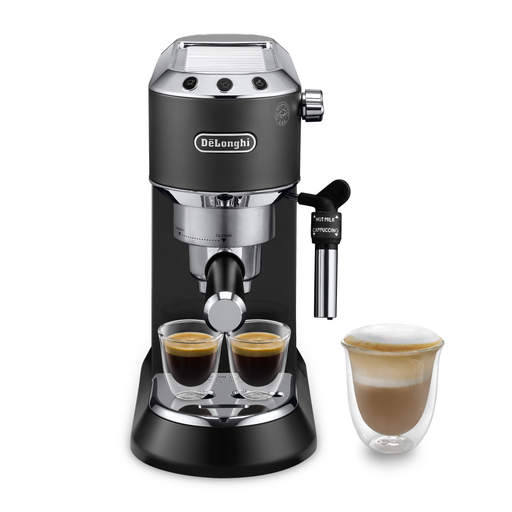 Image unavailable
For anyone who wants to get hands-on with a portafilter rather than leave every step to the machine. The model name specifies 15 bar and a 1,6 L water tank; remember that you’ll need to handle and clean the portafilter after use.
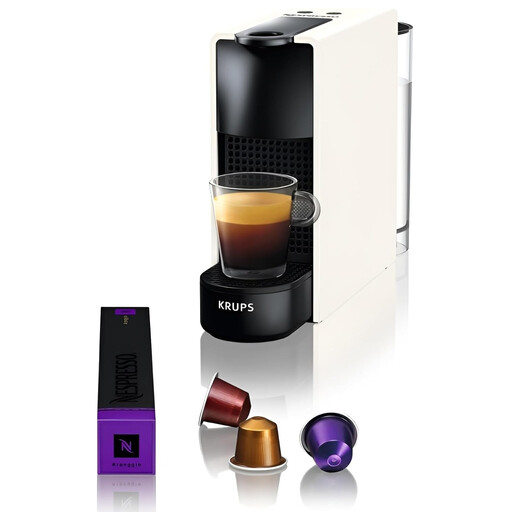 Image unavailable
For a capsule routine with minimal effort. This Essenza Mini has a 0,6 L water tank; make sure the capsules you’re considering are compatible with its Nespresso Original system.
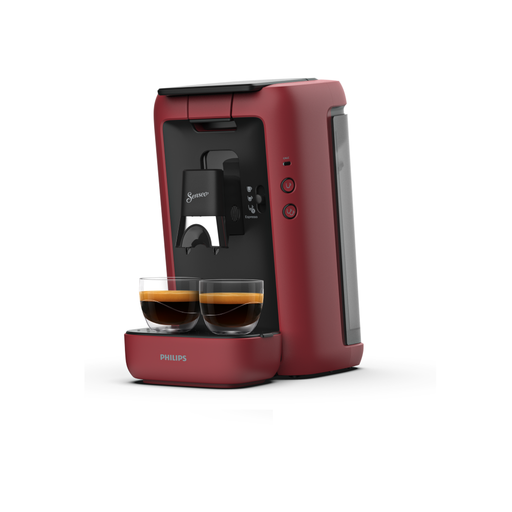 Image unavailable
For pre-portioned coffee using soft Senseo pods. Check which pods are compatible and read the descaling instructions for model CSA260/91.
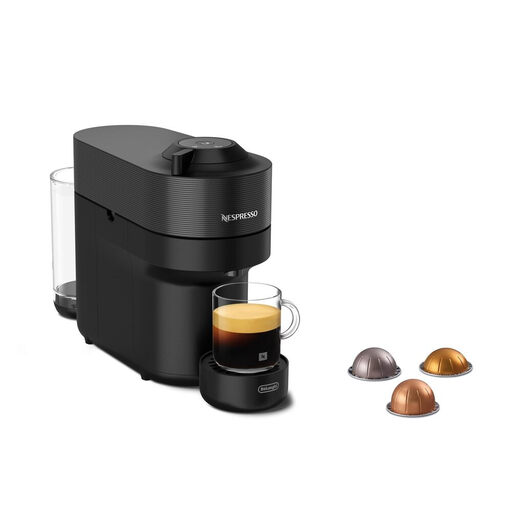 Image unavailable
For making coffee with Vertuo system capsules, which are different from Nespresso Original capsules. This Vertuo Pop ENV90.B has a 0,6 L water tank; check the capsule format you need before choosing.
In France, ADEME says that aluminium and plastic capsules can go in the recycling bin, bag or container for paper and packaging. Also check the recycling label on the capsules you use.
Check the manual for cleaning and descaling instructions, and find out how to access the trays and brewing unit, if it’s removable. If noise or making several cups in a row matters to you, look for a test of the specific model that covers these points.
It’s best to first identify which system the machine accepts. According to Que Choisir, most brands accept only one type of capsule. Then check that the portions you’re considering are compatible; Nespresso Original and Vertuo, for example, are separate systems.