What sets the machines apart ?
The four types described by UFC-Que Choisir are mainly distinguished by how they prepare coffee and the kinds of coffee they take. However, you should check that each specific model can make a milk-based drink or a long coffee rather than assuming it can based on its type alone.
Capsules
Worth considering : if your household wants easy-to-prepare portions and you can find your preferred coffee formats in the system you choose.
Bear in mind : you’ll need to buy capsules regularly, and compatibility depends on the model.
Soft coffee pods
Worth considering : if simple-to-prepare short or long coffees cover most of your household’s needs.
Bear in mind : milk-based drinks depend on the pods you use or separate preparation, rather than an integrated fresh-milk system.
Portafilter
Worth considering : if someone wants to choose their own ground coffee and take charge of preparing each cup.
Bear in mind : you’ll need to measure the coffee, handle the portafilter and clean it between uses.
Bean-to-cup grinder
Worth considering : if your household regularly uses whole beans but would like the machine to automate the preparation.
Bear in mind : the space it takes up and the need to clean the coffee grounds container, coffee circuit and, where applicable, milk system.
| What to consider |
What to check |
Who is it for ? |
| Serving coffees one after another |
The tank capacity and controls for making the sizes you use; also compare how consistent consecutive cups are when this is measured in a test. |
When several people make coffee almost at the same time, I want to avoid refilling and fiddling with the machine between cups. Around 29 % of consumers prioritise this ease of serving. |
| A variety of drinks, including milk-based options |
The recipes actually available and the difference between a separate frother, a manual steam wand and an integrated milk system. |
If we switch between espresso, long coffee and cappuccino, I want everyone to be able to make their usual drink. This variety is the main requirement for around 21 % of consumers. |
| Running costs and consumables |
The cost of coffee for your usual consumption, portion compatibility and the recommended maintenance products. |
When we make coffee every day, I consider what we’ll need to buy regularly, even if the machine involves more steps. Around 36 % of consumers put running costs first. |
| Coffee choice and adjustments |
The types of coffee the machine takes and its length or strength settings; with a portafilter, also check which accessories you’ll need. |
I’d rather choose my coffee and adjust how it’s made than prioritise the simplest controls. This level of control comes before other criteria for around 14 % of consumers. |
Joybuy machines for different needs
These machines illustrate the four coffee-making methods covered here: bean-to-cup grinder, soft pods, capsules and portafilter. Compare the different versions based on the drinks your household enjoys, how you’ll prepare milk and the maintenance you’re happy to carry out.
 Image unavailable
Philips EP2230/10 Series 2200 LatteGo bean-to-cup espresso machine
Worth considering if your household wants to use whole beans and is looking at a LatteGo version for milk-based drinks. Check the recipes, how it handles several cups and the cleaning instructions for this specific model.
View on Joybuy
 Image unavailable
HiBREW H16 automatic espresso machine with grinder
Worth looking into if several people want to select their drinks using a touchscreen. The product title advertises six varieties of coffee and a cappuccino system; check exactly which recipes are available and how to clean the parts that come into contact with milk.
View on Joybuy
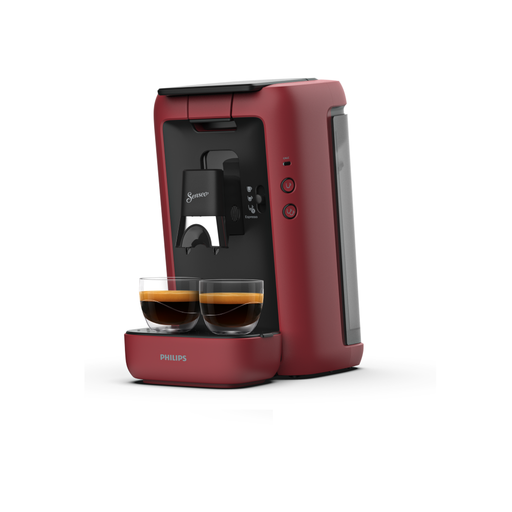 Image unavailable
Philips Senseo CSA260/91 Maestro, intense red
Worth considering if your household prefers soft pods and easy-to-make black coffees. Senseo says the Maestro range can serve two cups; if milk-based drinks are important, check what separate preparation would suit you.
View on Joybuy
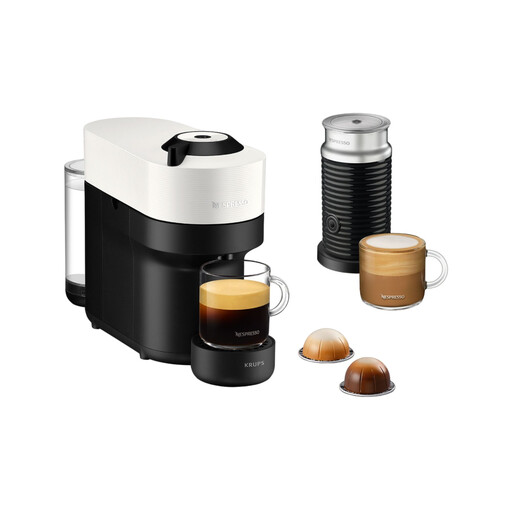 Image unavailable
KRUPS Nespresso Vertuo Pop with Aeroccino, coconut white
Worth considering if your household prefers Vertuo capsules and wants to make milk froth with the supplied Aeroccino. The frother is a separate appliance, so check its cleaning instructions and which capsule formats suit the coffees you drink.
View on Joybuy
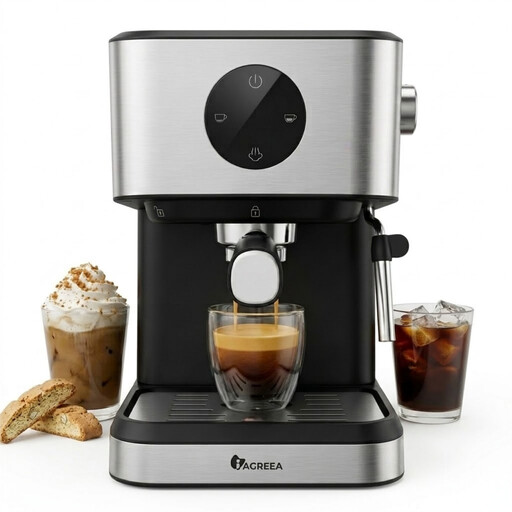 Image unavailable
IAGREEA espresso machine, steam wand, 50 Oz tank
Worth considering if someone in your household is happy to froth milk manually for cappuccinos or lattes. The product title states a pressure of 20 bar; this figure alone doesn’t tell you how well it handles several cups. Also check how it makes long coffees and how much space it needs.
View on Joybuy
Frequently asked questions
Which machine should you choose to make several different coffees in a row ?
Choose based on the drinks your household wants and the preparation it’s happy to do: portions make things simpler, a portafilter gives you more hands-on control, and a grinder automates preparation from whole beans. To compare specific models, look at the tank, the recipes available and, if several people will be making coffee one after another, how consistently the machine serves consecutive cups, as assessed by UFC-Que Choisir.
Does a cappuccino machine need special maintenance ?
Yes. You’ll need to clean any parts that come into contact with milk, following the model’s instructions. Check when to rinse the steam wand, jug or separate frother, and which parts can be removed.
When should you descale an espresso machine ?
Follow your machine’s instructions and alerts: how often it needs descaling depends in part on the water and how much you use it. UFC-Que Choisir recommends descaling every two to three months on average, but the instructions and products specified for your model should take precedence over this general guidance.
Where should you dispose of coffee capsules in France ?
According to ADEME, aluminium or plastic capsules should go in the recycling bin, bag or container for paper and packaging. For capsules made from other materials, check the recycling guidance for the capsule you use.
Does the commercial guarantee depend on how you maintain the machine ?
The terms of a commercial guarantee may include maintenance requirements, so read those for the model you’ve chosen and keep its descaling instructions. This is separate from the statutory guarantee of conformity. In France, the Ministry of the Economy says you can claim this from the professional seller for two years for new or second-hand goods.


