What should you compare before buying ?
Capsule machine
Worth considering : if you mainly make individual espressos or lungos and want to keep preparation to a minimum.
The trade-off : the ongoing cost of capsules and compatibility with a specific system.
Soft pod machine
Worth considering : if you prefer a longer or stronger coffee and would sometimes like to make two cups, depending on the model.
The trade-off : the cost of pods and the need to descale the machine.
Portafilter espresso machine
Worth considering : if you want to choose your ground coffee and take an active part in making it.
The trade-off : handling and cleaning the portafilter; you’ll need to froth milk manually using the steam wand.
Bean-to-cup machine
Worth considering : if you regularly make several coffees and want to choose your beans.
The trade-off : you’ll need to check how much space it takes up, what maintenance it requires and which drinks the specific model actually makes.
UFC-Que Choisir distinguishes between these four types of machine and highlights the importance of size, ease of use, capacity and maintenance.
| What matters |
What to check before buying |
Who it matters most to |
| Ongoing cost |
Compare the coffee actually used per cup, then factor in the machine, maintenance and accessories over the same period. |
If I make several coffees every day, I want to compare the cost of consumables rather than looking only at the machine’s price. Around 31 % of consumers prioritise ongoing costs. |
| Ease of use and size |
Measure the available space, check access to the water tank and consider the capacity you need for the number of cups you make. |
If I have limited space and want to keep morning preparation simple, the machine’s dimensions and how often it needs filling matter day to day. Around 25 % of consumers prioritise simplicity and size. |
| Coffee choice and preparation |
Decide whether you prefer portions, ground coffee in a portafilter or beans with a grinder; check which formats are compatible. |
If I want to choose my coffee and get hands-on with preparation, I compare the formats and the steps involved. Around 19 % of consumers prioritise having control over their coffee. |
| Milky drinks |
Check which recipes the exact model makes, what steps are involved and which parts need cleaning. |
If I regularly make cappuccinos or other milky drinks, I check whether the machine requires manual preparation. Around 13 % of consumers prioritise milky drinks. |
| Cleaning and descaling |
Check the instructions, which parts need cleaning and the guidance for your water hardness. |
If I want to spend less time on maintenance, I check what needs to be done after making coffee and how to descale the machine. Around 12 % of consumers prioritise maintenance. |
Machines available on Joybuy
This selection includes bean-to-cup machines and a portafilter model, so you can compare coffee choice, the drinks on offer and the steps involved in preparation.
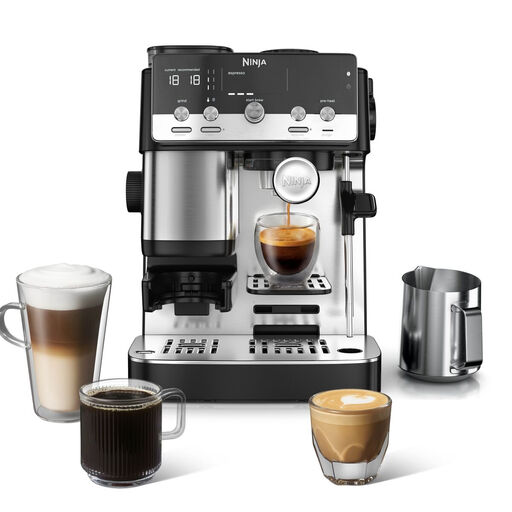 Image unavailable
Ninja Luxe Café Mini 2-in-1 ES301EU
Worth considering if you want to make filter coffee or espresso with an integrated grinder.
The description lists weight-based dosing and a manual milk frother. Remove and rinse the portafilter and milk jug after use.
View on Joybuy
 Image unavailable
HiBREW H10B 20-Bar
Worth considering if you want to get hands-on with preparation using a portafilter machine.
The description lists a 51 mm portafilter, a removable 1,3 L water tank and adjustable temperature and volume settings. It also mentions a milk-frothing function.
View on Joybuy
 Image unavailable
Philips EP2230/10 LatteGo
Worth considering if you want to use beans and make cappuccinos with a milk system.
The description lists a grinder with 12 settings, a 1,8 L water tank and a removable brew group. The LatteGo parts are listed as dishwasher-safe.
View on Joybuy
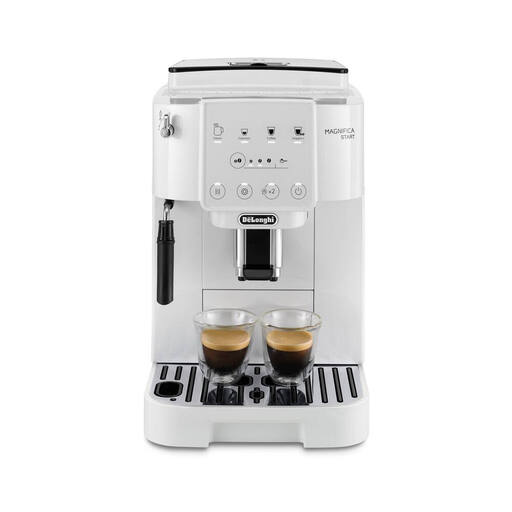 Image unavailable
De’Longhi Magnifica Start ECAM220.21.WW
Worth considering if you want to choose your beans and make several types of coffee, with a steam wand for milk.
The description lists a 250 g bean hopper, 13 grind settings, a 1,8 L water tank and a coffee grounds container with capacity for 14 cups. Froth milk using the steam wand; cleaning and descaling programmes are also listed.
View on Joybuy
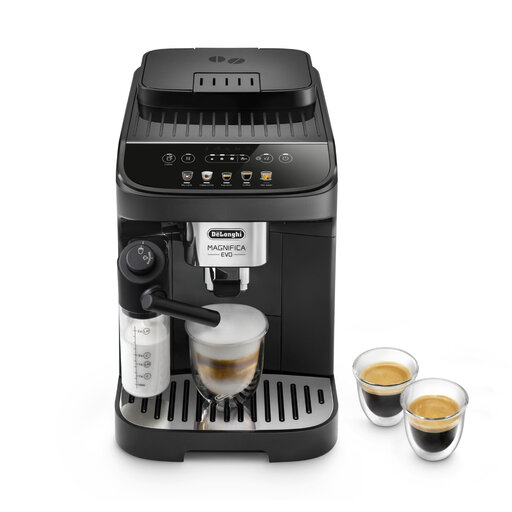 Image unavailable
De’Longhi Magnifica Evo ECAM290.61.B
Worth considering if you want to make a range of drinks using beans, including milky drinks with the system specified for this model.
The description lists a grinder with 13 settings, a 250 g hopper, a 1,8 L water tank and five drinks available from the control panel. The milk system and its jug add parts that need cleaning.
View on Joybuy
Frequently asked questions
How can I compare the cost of two machines if I drink coffee every day ?
Compare the same number of cups over the same period. For individually packaged portions, divide the pack price by the number of portions. For beans or ground coffee, work out the cost based on the amount actually used per cup. Then add the cost of the machine, accessories and maintenance, without treating a one-off shop price as a national average.
Will a SENSEO soft pod work in an ESE-compatible portafilter ?
Don’t assume it will. The SENSEO Original Plus CSA210/50 is described as using SENSEO pods, while the Dedica EC685.BK EX:4 uses ESE pods with the appropriate filter. Check the format specified on the machine and packaging before you buy.
How often should I descale a machine and clean the milk parts ?
Follow the instructions for the exact model. For SENSEO machines, Philips recommends descaling about every three months, and more often if your water is very hard. Depending on the setup, a steam wand or milk system will add parts or surfaces that need cleaning.
What statutory guarantee applies to a machine bought from a retailer in France ?
In France, the statutory guarantee of conformity applies to new, second-hand and refurbished goods sold by a business to a consumer. According to the Ministry of the Economy and Finance, you have two years from delivery to take action. This statutory guarantee is separate from any commercial guarantee that may be offered.
Where should I dispose of a used aluminium or plastic capsule in France ?
For these capsules, ADEME recommends using the sorting bin, bag or container intended for paper and packaging.


