Households that often make espresso
If you want to move on from capsules without dosing or tamping coffee for every cup, consider a bean-to-cup machine. This convenient preparation comes with cleaning and descaling to keep on top of.


If you regularly make espresso from beans and want to avoid dosing and tamping coffee for every cup, a bean-to-cup machine is the most straightforward option, provided you’re happy with the cleaning, noise and counter space it requires. A portafilter machine leaves more of the preparation up to you. A filter coffee machine with a grinder is better suited to making several cups of filter coffee, while sticking with capsules won’t let you switch to beans.
If you want to move on from capsules without dosing or tamping coffee for every cup, consider a bean-to-cup machine. This convenient preparation comes with cleaning and descaling to keep on top of.
Using beans means you can avoid individual capsules. Que Choisir’s comparisons show a lower cost per cup, but your choice of machine also depends on how often you drink coffee and how much maintenance you’re prepared to do.
If you often make these drinks at home, compare the steam wand, traditional milk frother and automatic milk system. The preparation and cleaning involved matter just as much as the recipes on offer.
Consider it: for regular espresso made from beans, with minimal effort for each cup.
Be prepared for: more cleaning, noise and counter space than with a capsule machine, according to Que Choisir.
Consider it: if you want to make espresso with ground coffee and take a hands-on approach to preparation.
Be prepared to: fill and tamp the portafilter. To use whole beans, you’ll also need a grinder, unless the machine has one built in.
Consider it: if you want to grind beans to make several cups of filter coffee.
Be prepared for: it won’t replace an espresso machine if espresso is what you’re after.
Stick with it: if pre-measured coffee and a compact machine matter more to you than switching formats.
Be prepared to: keep buying individual portions, making sure they’re compatible with your machine.
| Priority | What to check | Who it matters to |
|---|---|---|
| Quick espresso from beans | Check that the machine grinds beans and find out what you need to do to make a cup. | I want to move on from capsules without filling and tamping a portafilter for every espresso; around 25% of consumers would put this convenience first. |
| Running costs and packaging | Compare how many capsules you use with how many beans you’d need, and remember to factor in the machine and its maintenance supplies. | Cutting down on individual portions and keeping an eye on regular spending matter more to me than extra features; this would be the priority for around 25% of consumers. |
| Cleaning and water | Read the machine’s cleaning and descaling instructions, along with its guidance on water filters. | If I make coffee often, I need to fit rinsing and descaling into my routine; around 19% of consumers would put this maintenance workload first. |
| Milk-based drinks | Compare the type of frother and the steps involved in cleaning any parts that come into contact with milk. | I regularly make cappuccinos and want to know whether I’ll need to froth the milk myself; for around 19% of consumers, the milk system would be their main consideration. |
| Space and noise | Measure the space needed to open the compartments and look for a noise test that covers grinding on the specific model. | In a small kitchen or when making coffee early in the morning, I don’t want to overlook the space needed or the noise of grinding; around 12% of consumers would make these their main concern. |
Automatic rinsing doesn’t remove the need to clean the compartments and, depending on the model, the brewing unit or parts that come into contact with milk. Que Choisir warns that putting off descaling can block the system.
Before choosing, check the manual to see which parts need removing, what the cleaning steps are and how to descale the machine.
Also factor in the time these tasks take and any maintenance supplies required for the model you choose.
Que Choisir’s comparisons show a lower cost per cup with beans than with capsules. Whether this works out better for your household depends on how many coffees you make and what you spend on maintenance.
Work it out using your usual coffee consumption, the capsules you buy and the beans you’re thinking of choosing.
A steam wand means frothing the milk yourself, while an automatic system adds parts that need cleaning. The number of recipes doesn’t tell you what’s involved.
Compare the milk preparation and cleaning steps for the specific models you’re interested in.
Que Choisir says an espresso machine with a grinder takes up more space and is noisier than a capsule machine or filter coffee machine. Grinding is also a separate noisy stage from rinsing.
Measure the space with the compartments open. If keeping noise down is important, look for a test of the chosen model while it’s grinding.
In France, De'Longhi offers automatic bean-to-cup espresso machines as well as portafilter machines.
Philips offers bean-to-cup espresso machines with different milk preparation systems, including a traditional frother and LatteGo on selected ranges.
Melitta offers both automatic bean-to-cup espresso machines and filter coffee machines with built-in grinders.
Severin offers, among other products, portafilter espresso machines and filter coffee machines with grinders.
These models are designed to make espresso from beans automatically. If you prefer the hands-on approach of a portafilter or want to make several cups of filter coffee, you’ll need to consider different things when choosing a machine.
 Image unavailable
Worth considering if you want to switch to beans while keeping preparation automated, and are looking at options for milk-based drinks.
This variant’s name indicates a grinder and the LatteGo system. Check how to clean the milk system and, if noise matters, look for a grinding test of the EP2230/10.
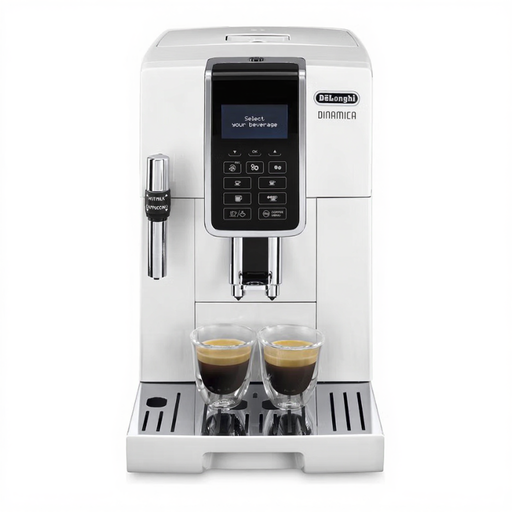 Image unavailable
Worth considering if you want to make espresso from beans automatically, while also comparing options for preparing milk-based drinks.
This variant is described as fully automatic. Check the manual for the steps involved in preparing milk-based drinks, and look for a test of this specific model if grinding noise is a deciding factor.
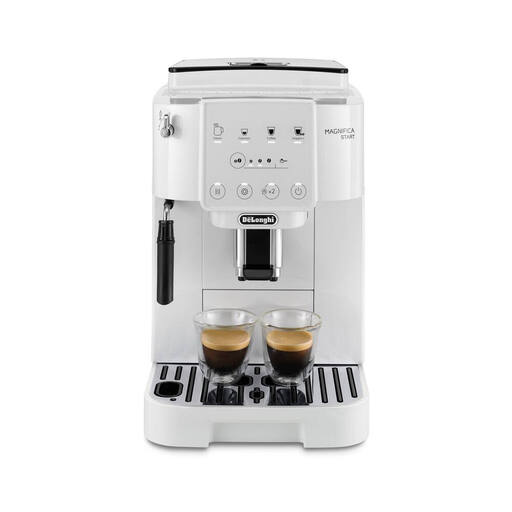 Image unavailable
Worth considering if your priority is espresso from beans and you’re happy to froth milk yourself.
This variant is described as a bean-to-cup espresso machine. The steam wand means you’ll need to prepare the milk yourself and clean it after use.
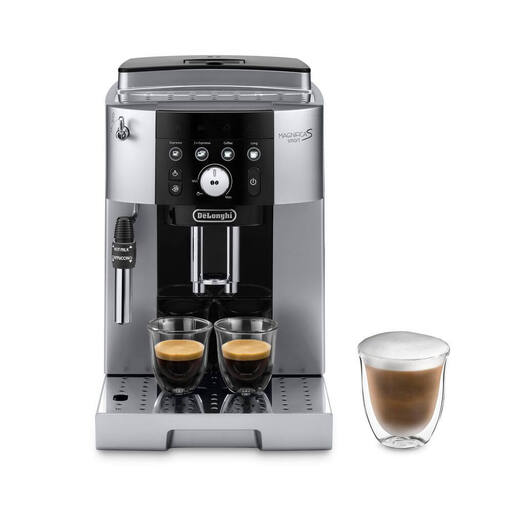 Image unavailable
Worth considering if you want to keep espresso preparation automated while moving on from capsules, without expecting the same level of automation for milk.
This variant’s name indicates a grinder. Its steam wand means frothing the milk by hand and cleaning the wand after use.
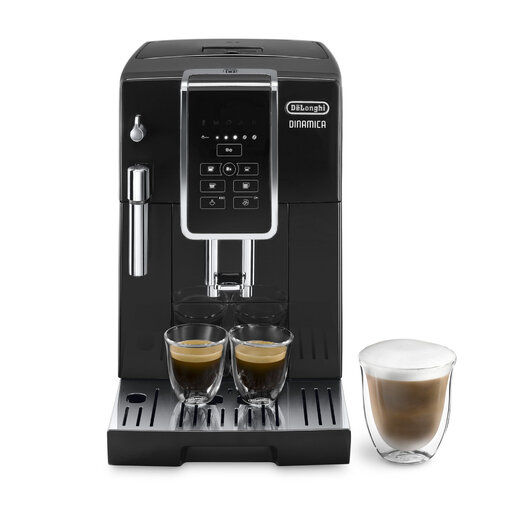 Image unavailable
Worth considering if you regularly make espresso from beans and prefer to froth milk for milk-based drinks yourself.
This variant is described as automatic. The steam wand requires hands-on preparation and cleaning after use. If grinding noise matters to you, look for a test of this specific model.
Yes. Automatic rinsing doesn’t replace descaling. Que Choisir recommends following the machine’s alert, as limescale can block the system. Check the manual for instructions specific to your model.
ADEME advises putting them in the recycling collection for paper and packaging. Recycling them is a separate step from choosing not to buy individual portions any more.
Yes. ADEME lists coffee grounds as suitable for composting. Follow the guidance from your composting scheme or local food waste collection service.
You can claim under the legal guarantee of conformity from the business seller for two years when you buy a new product. According to the French Ministry of the Economy, consumers don’t have to prove during this period that the fault existed on the date of sale.