
Livraison le jour même ou le lendemain

Qualité garantie

Débloquez vos offres de bienvenue: Livraison GRATUITE | Jusqu'à -80 % | 30 jours d'essai gratuits à JoyPlus
Téléchargez l'application
Recreating the pleasure of a true barista-quality espresso at home, rich in aroma and crowned with a velvety crema… This quest drives many coffee lovers to invest in an espresso machine. But when faced with a jungle of marketing claims and confusing technical specs, the choice can quickly become a headache. To avoid making a mistake, you need to read between the lines and identify the details that truly make a difference. Before you make a purchase, it's best to know the most common pitfalls to avoid buyer's remorse.
To get it right, focus on a few technical parameters that are true guarantees of performance and durability.
The secret to a great espresso lies in a consistent extraction. To achieve this, stable pressure is essential. Ideally, extraction should occur between 9 and 15?bars. An espresso machine with a pressure gauge is a major asset here. This indicator allows you to see the pressure applied during the cycle in real time. It not only helps you judge the machine's performance but also allows you to perfect your technique by adjusting the grind fineness and tamping to reach the ideal pressure. This is the detail that often separates a consumer-grade machine from a purist's model.
If you're a fan of a cappuccino machine or lattes, the quality of the coffee machine with a steam wand is a non-negotiable criterion. A high-performance wand must be powerful enough to inject dry steam into the milk and create a velvety microfoam. Check if the wand is adjustable for easy handling with different pitchers and if its power can be regulated. This versatility is key to switching from a dense cappuccino foam to a silky texture, perfect for trying your hand at latte art.
Opting for a stainless steel coffee machine isn't just about aesthetics. Stainless steel is a durable, hygienic, easy-to-clean material that doesn't retain odours. It also ensures better thermal stability, a key factor for a consistent espresso. At the same time, a well-designed small coffee machine can offer excellent performance without eating up your counter space. Measure the space you have available and compare it to the appliance's dimensions before you decide.
To help you see more clearly, here are our recommendations for outfitting your coffee corner according to your needs.
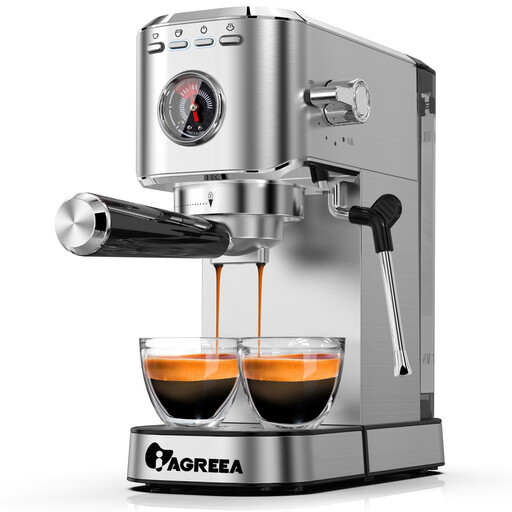
Why we love it: Perfect for anyone who wants to master the art of espresso. Its compact, stainless steel design fits into any kitchen, while its advanced features offer total control over the brewing process.
The integrated pressure gauge lets you monitor pressure in real time, sidestepping the "maximum pressure" trap. Its powerful, adjustable steam wand is designed to create true microfoam, putting an end to the disappointment of low-end frothers.
It combines precise control (pressure gauge, customisable volume) and a durable stainless steel design in a compact form factor. The cup warmer is a welcome bonus.
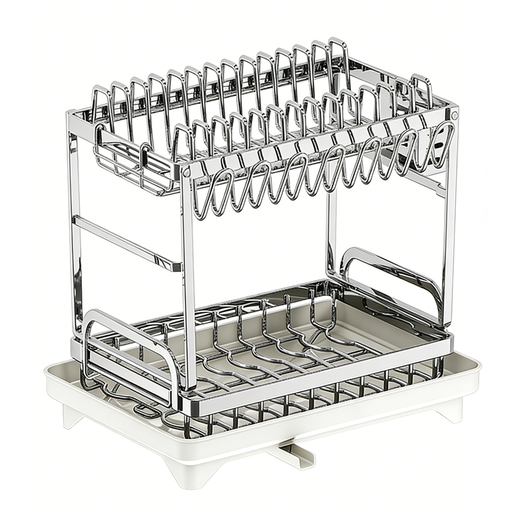
Why we love it: Because a great coffee corner is, above all, a well-organised space. This drying rack is perfect for storing cups, saucers, and milk pitchers next to your machine, while ensuring they dry quickly.
No more chaos quickly taking over the area around the machine. Its vertical structure optimises counter space, a detail often overlooked when setting up a proper coffee corner.
High-capacity storage on two levels and a rust-proof stainless steel design. It perfectly matches the aesthetic of a beautiful stainless steel machine.
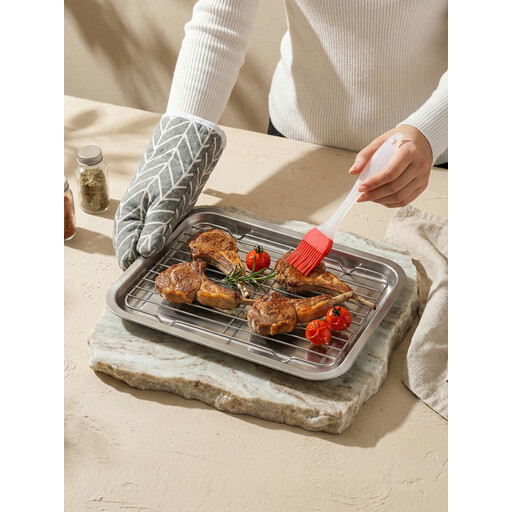
Why we love it: For those who can't imagine coffee without a warm pastry or homemade treat, this tray serves as an elegant serving platter or cooling rack.
It ends the headache of mismatched accessories that can spoil the harmony of your coffee corner. The quality of the materials is top-notch for a complete experience.
A versatile duo made of food-grade 304 stainless steel. The removable rack allows it to be used as a serving tray, cooling rack, or for draining.
To perfect your setup, discover our selection of kitchen accessories that combine design, durability, and compliance with standards.
Absolutely not. It's often a misleading marketing claim. The quality of an espresso depends on the pressure stability during extraction, which should ideally be around 9?bars. A machine that claims 20?bars but can't maintain constant pressure will always be outperformed by a stable 15-bar machine. The pressure gauge remains your best ally for judging this stability.
It's simple, but crucial. Adopt these three habits:
It all depends on the quality of the materials and, most importantly, your diligence in maintenance. A well-maintained stainless steel model can last for many, many years. The two pillars of its longevity are regularly cleaning the group head after each use and periodic descaling (the frequency depends on your water hardness). Following the manufacturer's recommendations is the best way to extend your machine's life.