For a quick coffee in a small kitchen
A capsule machine is worth considering if you don’t want to measure out or grind coffee. Make sure you have enough room for it, though, and check that you’re happy with the capsule format it uses.


For a quick espresso with minimal effort, start by looking at capsule or coffee pod machines, then check which format of coffee they take. A portafilter gives you more freedom to choose your coffee, but involves more steps; a grinder suits regular use of whole beans, provided its size, noise and maintenance work for your kitchen. Also compare the ongoing costs based on how many coffees you make at home.
How often you make coffee matters, but the number of steps you’re happy to take each morning could make all the difference to your choice.
A capsule machine is worth considering if you don’t want to measure out or grind coffee. Make sure you have enough room for it, though, and check that you’re happy with the capsule format it uses.
Compare a coffee pod machine, a portafilter machine and a grinder, taking the cost of consumables and maintenance into account. Ground coffee or whole beans can be a good choice for regular use, as long as you’re happy with the preparation and cleaning involved.
A portafilter lets you use your choice of ground coffee, while a grinder uses whole beans. The former involves more hands-on preparation; the latter takes up more room, makes more noise and needs maintenance.
Start with your daily routine, then consider how each system fits your available space, the coffee it uses and the maintenance you’re prepared to do.
| What to consider | What to check | Think about your needs |
|---|---|---|
| Preparation | Compare the steps involved before and after each coffee: inserting a capsule or pod, handling the portafilter, or selecting a recipe on a grinder. | I want to make a coffee without measuring or grinding: single-serve portions make this easier. If I’d rather choose my own coffee and be more hands-on with its preparation, a portafilter is still worth considering. |
| Consumables | Check the exact format the machine takes, whether it’s readily available where you usually shop and how much it will cost based on how many coffees you make. Que Choisir notes that whole beans cost less than capsules or pods, but the actual savings depend on how you use them. | For several coffees at home, I want to be able to find the right consumables easily and compare ongoing costs, rather than focusing on the machine alone. |
| Space and noise | Measure the width, depth and height, and check you can access the water tank. Que Choisir says an automatic grinder is generally bulkier and noisier than a capsule system. To compare specific models, look for measurements taken under similar conditions. | In a small or shared kitchen, I need a machine that’s easy to use once it’s in place and won’t disturb anyone else. |
| Maintenance | Read the model’s descaling instructions, and check how to clean the trays, portafilter and milk system, if it has one. How often you need to do this depends on the instructions, how much you use the machine and the water in your area. | I’m happy to do a bit more cleaning to use ground coffee or whole beans, but I want to know what my routine will involve. |
| Single-serve portions | If you choose capsules, check what they’re made from and how they should be sorted for recycling. In France, ADEME advises putting aluminium or plastic capsules in the paper and packaging recycling collection. | I like the convenience of single-serve portions, but I also want to know how to dispose of the packaging after each coffee. |
Not every capsule or pod works with every system. Choosing the wrong format limits where you can buy it and means it won’t work in the machine you choose.
Check the instructions to see which formats the machine takes, then make sure you can regularly find the matching consumables.
If you make several coffees a day, consumables and cleaning products also affect your choice. Que Choisir highlights, in particular, the difference in running costs between whole beans and single-serve portions, though the actual costs will vary from one household to another.
Count how many coffees you usually make in a week, then compare compatible consumables and the maintenance required for each model you’re considering.
The trays and accessible parts need regular cleaning, and a milk system adds extra steps. Descaling can also take a while, depending on the model, as Que Choisir points out.
Check the instructions for the specific model before choosing, especially if you often make milky drinks.
Allow time for these tasks, as well as for any maintenance products specified in the instructions.
Grinding makes noise, and a grinder is generally bulkier than a capsule machine, according to Que Choisir. These differences matter particularly in a small kitchen used early in the morning.
Also measure the clearance needed to fill or remove the trays, and look for a sound test of the specific model if noise levels are a deciding factor.
These models represent the four ways of making coffee covered here: capsules, soft coffee pods, a portafilter and a grinder. First choose the system that suits your routine, then check the features and consumables for the model you’re interested in.
 Image unavailable
Worth considering if you regularly make coffee with whole beans but don’t want to use a portafilter. Check how much space it needs, the maintenance process and which accessories are included with this LatteGo version.
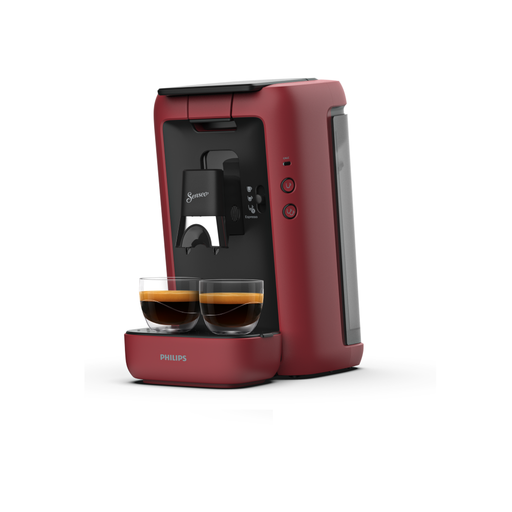 Image unavailable
If you’d rather use pods than measure out coffee, check that this model takes the SENSEO format. If you’re looking specifically for an espresso, also check which drinks it makes and how they’re prepared.
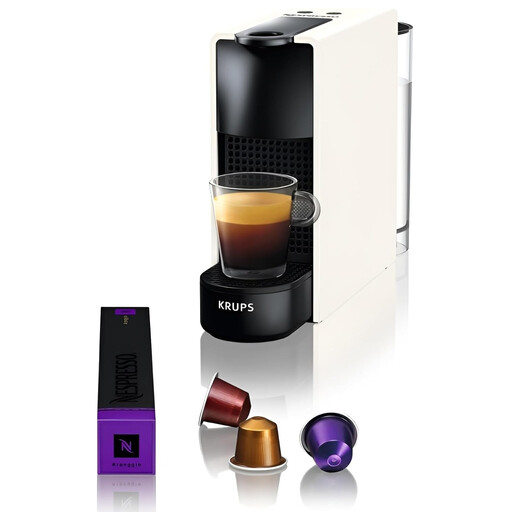 Image unavailable
Worth considering if you prefer capsules and are short on space. The water tank is listed as 0.6 L: think about how that capacity matches the number of coffees you make, then check exactly which capsule formats it takes.
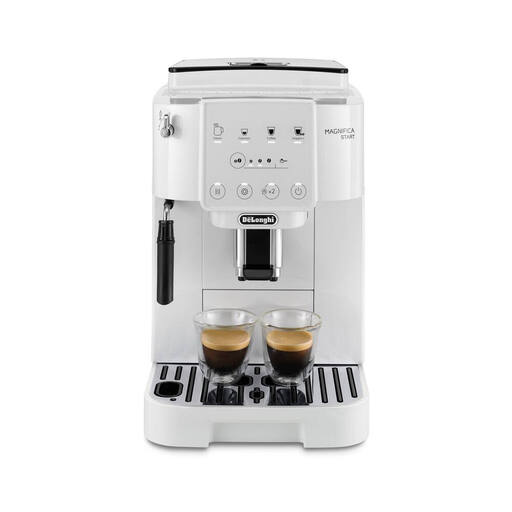 Image unavailable
This grinder machine is designed for making coffee from whole beans. Before choosing it, check its dimensions when in use, how noisy the grinder is and what maintenance it needs.
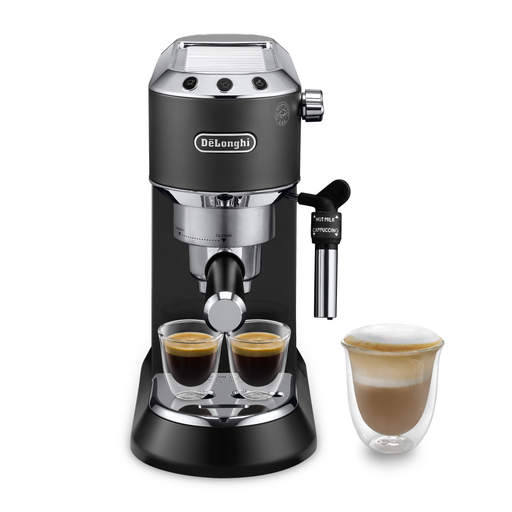 Image unavailable
A portafilter machine to consider if you’re happy to prepare and clean your coffee more hands-on. Check which filters are included, especially if you want to use ESE pods, and check the water tank capacity listed for the exact model.
No. Each machine takes one or more specific formats: check the instructions, then check the packaging of the consumable. Que Choisir points out, in particular, that capsule systems aren’t universally compatible.
Follow the instructions and, if the model has one, its descaling indicator. How often you need to descale depends on the machine, the water you use and how much coffee you make; one rule wouldn’t apply to all four systems.
According to ADEME, aluminium or plastic capsules should go in the recycling bin, bag or container for paper and packaging. For a paper capsule, check whether composting or a food waste collection service is available near you.
Not necessarily. Que Choisir says an automatic grinder is generally bulkier and noisier than a capsule system. Measure the machine and the space you’ll need to access its trays; if noise is a deciding factor, look for a test of the specific model.
Start with the number of coffees you usually make, then compare the compatible consumables and maintenance for each model. Que Choisir notes that whole beans cost less than capsules or pods, but the costs for your household will also depend on the machine you choose and how often you use it.