
Livraison le jour même ou le lendemain

Qualité garantie

Débloquez vos offres de bienvenue: Livraison GRATUITE | Jusqu'à -80 % | 30 jours d'essai gratuits à JoyPlus
Téléchargez l'application
Dreaming of recreating that rich, smooth espresso from your favourite coffee shop at home? It's the ultimate goal. But navigating the jungle of espresso machines, with all their marketing promises and technical jargon, can be overwhelming. To ensure you don't regret your investment, it's crucial to know how to sidestep the most common pitfalls and make an informed choice.
Here at the editorial desk, our mission is to help you see things more clearly. Let's cut through the technical-speak and focus on what really matters. Here are the mistakes you absolutely must not make when buying.
The 3 pitfalls to avoid when buying an espresso machine:
To avoid buyer's remorse, focus on a few fundamental parameters that define a machine's quality and longevity.
The advertised pressure (15, 19, 20 bars...) corresponds to the pump's maximum power. The figure that truly matters is the extraction pressure, which should be stable at around 9 bars. A 20-bar coffee machine simply has a pump with a good power reserve, capable of reaching and maintaining this ideal pressure without straining, even with a very fine grind. The ultimate feature? A built-in pressure gauge to monitor the pressure in real-time and adjust your technique like a pro.
Love milk-based drinks? A steam wand is non-negotiable. Be careful not to confuse it with a simple "frother" that just creates large bubbles. A true espresso machine with a steam wand—powerful and articulating—is the only thing capable of creating that smooth, velvety microfoam essential for latte art worthy of the name and a top-tier homemade cappuccino machine. Make sure it's easy to clean for impeccable hygiene.
Stainless steel isn't just about looks. A machine body, portafilter, and internal parts made of stainless steel are a guarantee of durability and thermal stability—a key factor for consistent extraction. Don't be fooled by "metal-effect" finishes that often hide simple, far less durable chrome-plated plastic.
Every user has specific needs. Here are a few recommended options, chosen for their relevance to distinct use cases.
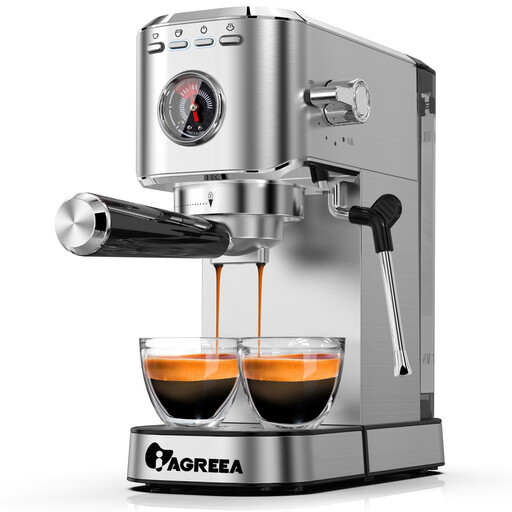
Why we love it: Perfect for those who want to take their coffee to the next level without turning their kitchen into a science lab. Its compact stainless steel footprint fits anywhere, and its design exudes reliability for daily use and total control.
The pressure gauge shows you the real extraction pressure, not just a number on the box. So long, "20-bar" marketing! The brushed stainless steel body guarantees a machine that lasts, a far cry from plastic finishes that age poorly.
The pressure gauge for visual control over extraction. The powerful, articulating steam wand for perfect cappuccinos. Easy maintenance thanks to removable parts.
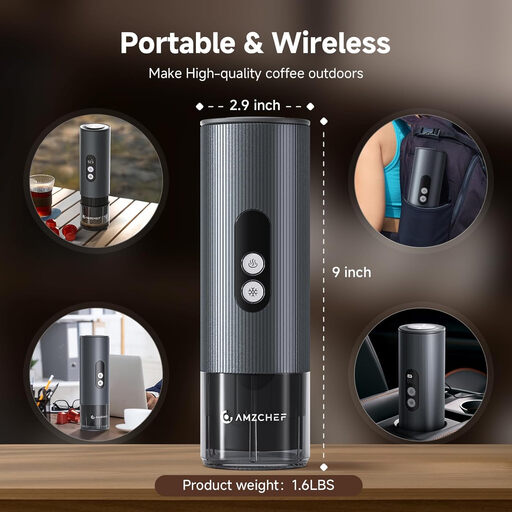
Why we love it: Designed for those who refuse to compromise on their coffee, even on the go. Ideal for camping, road trips, or simply at the office, this portable machine is as self-sufficient as it is powerful.
It doesn't try to compete with a home machine; it meets a specific need: mobility. Its robust aluminium and stainless steel construction is built for adventure, light-years away from flimsy plastic gadgets.
A 9000 mAh battery to heat water and extract coffee anywhere. 20-bar pressure for a true *crema*. Compatible with Nespresso-style capsules and ground coffee.
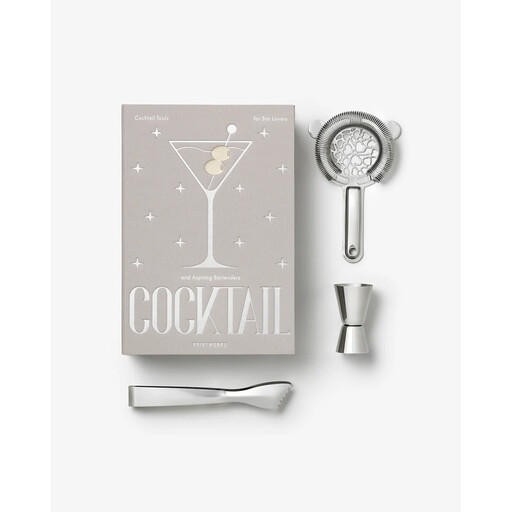
Why we love it: Because the art of hosting doesn't stop at coffee. This set is the finishing touch for a home bar, turning cocktail preparation into a ritual that's as beautiful as it is delicious.
No more mismatched, low-quality bar accessories. This set focuses on premium materials (stainless steel) and a meticulously crafted book-like design that blends form and function.
A complete set with all the essentials (jigger, strainer, tongs...). Durable, dishwasher-safe materials. An original and chic design, perfect for gifting (or as a gift to yourself).
Discover our full selection of products that meet our quality criteria and European safety standards.
It all depends on the materials and maintenance. An entry-level plastic model will show its limits after 2 or 3 years. In contrast, a stainless steel machine that is carefully maintained (descaling, wand cleaning...) can easily last you 5 to 10 years, or even longer.
Not necessarily. This number indicates the pump's maximum power, not the actual pressure during extraction. Both a 15-bar and a 20-bar model can perfectly deliver the necessary 9 bars. The difference is often purely for marketing. It's better to focus on temperature stability, the quality of the steam wand, and the overall robustness of the machine.
It's simple, but consistency is key.