
Livraison le jour même ou le lendemain

Qualité garantie

Débloquez vos offres de bienvenue: Livraison GRATUITE | Jusqu'à -80 % | 30 jours d'essai gratuits à JoyPlus
Téléchargez l'application
Tired of soulless pods and filter coffee? Do you dream of recreating that rich, smooth café-style espresso at home, crowned with a velvety crema and powerful aromas? Getting an espresso machine is a rite of passage for any self-respecting coffee lover. But between manual and automatic models, bar pressure, and soaring prices, the choice can quickly become a headache.
Don't worry, this guide is here to clear the way. Our mission: to give you the keys to making an informed decision and finding the machine that truly fits your desires and your budget, without all the unnecessary jargon.
Before diving into our selection, let's review the key points to check.
You'll often see figures like 15 or 20 bars highlighted on spec sheets. This value indicates the maximum pressure the machine's pump can achieve. For a perfect espresso, the ideal pressure applied to the ground coffee is about 9 bars. A pump capable of going higher (like on a 20-bar espresso maker) ensures that this optimal pressure is reached without ever straining, even with a very fine grind. It's a guarantee of reliability and the assurance of a consistent result, cup after cup.
There are two main families: the manual espresso machine (or semi-automatic) and the fully automatic machine. With a semi-automatic model, you're in the driver's seat. You manage the key steps like tamping the coffee and the duration of the extraction. It's the choice for purists and those who want to control every parameter for a custom-tailored result, from a short espresso to a lungo.
If you're a fan of milk-based drinks, the presence of a coffee machine with a steam wand is non-negotiable. This accessory projects pressurised steam to heat the milk and give it a smooth micro-foam texture. It's the essential tool for making a true cappuccino, a latte macchiato, or a flat white. A steam wand worthy of the name will give you the power and precision needed to try your hand at latte art.
To help you find the perfect machine, here are a few models that caught our attention for their performance and value for money.
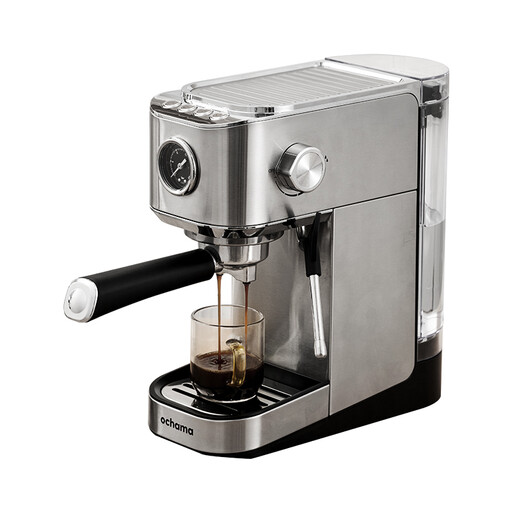
Key feature: Its all-metal body isn't just for looks. It's a mark of robustness that exudes quality and will fit perfectly in a modern kitchen.
Highlights:
Who is it for? For those looking for a reliable and elegant machine built to last, and who want to maintain control over their coffee preparation.
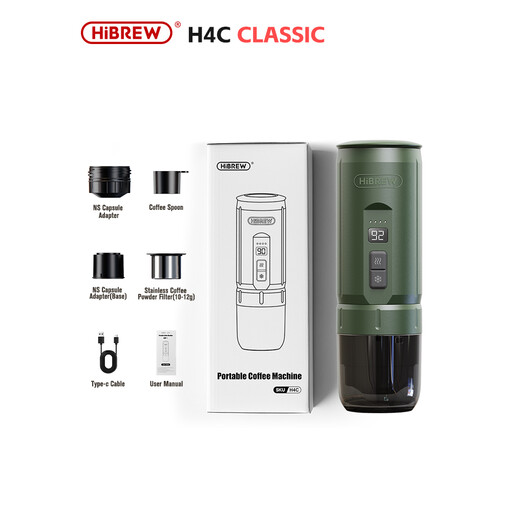
Key feature: Freedom! Compact, battery-powered, and compatible with almost everything (ground coffee, Nespresso and Dolce Gusto capsules), it reinvents coffee on the go.
Highlights:
Who is it for? For adventurers, campers, professionals on the move, or simply those with a small kitchen but high standards for their espresso quality.
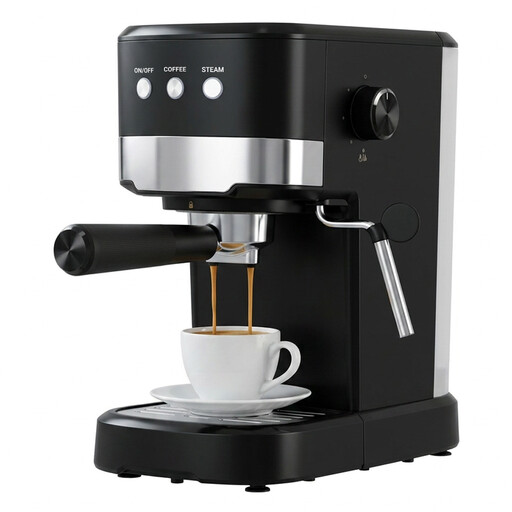
Key feature: The perfect entry ticket into the world of espresso. It combines essential features in a compact and very accessible package.
Highlights:
Who is it for? For beginners or those on a tight budget who want a simple, effective machine for making great espressos and homemade cappuccinos.
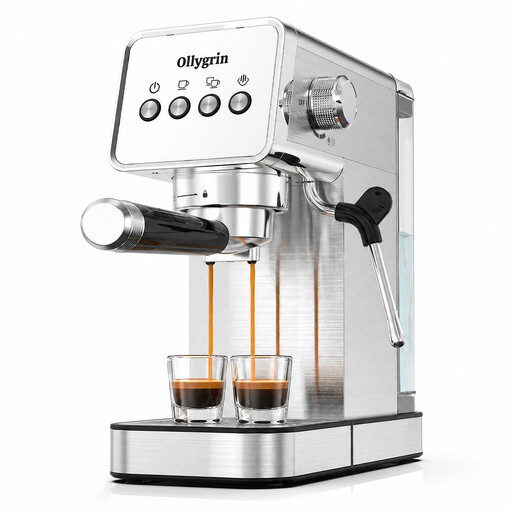
Key feature: Near-professional performance in a compact design. The 20-bar Italian pump and high-performance steam wand make it an excellent choice for demanding enthusiasts.
Highlights:
Who is it for? For enthusiasts who want to take their skills to the next level and are looking for a high-performing, consistent machine to perfect their home barista technique.
Our selection highlights a few flagship models, but the world of coffee is endless. If you'd like to discover more machines, grinders, or accessories, feel free to browse our complete collection of equipment to turn your kitchen into a true coffee shop.
? Discover All Our Bar Equipment
1. How many bars of pressure are really necessary for a good espresso machine? Even though machines proudly display 15 or 20 bars, the ideal pressure applied to the coffee grounds is around 9 bars. A more powerful pump (15 bars and up) is primarily an indicator of the machine's quality and robustness, ensuring it can reach and maintain this 9-bar pressure stably, without faltering.
2. How do you maintain an espresso machine at home? Regular maintenance is essential. Remember to empty and clean the drip tray after each use. Rinse the portafilter and the brew group. Most importantly, perform a descaling every 2 to 3 months (depending on your water hardness) with a suitable product to preserve your machine's performance and lifespan.
3. Can you use any ground coffee in a manual espresso machine? No, it's crucial to use an "espresso-fine" grind. A grind that is too coarse (like for filter coffee) will let water pass through too quickly, resulting in an under-extracted, body-less coffee. Conversely, a grind that is too fine can clog the filter. The ideal solution, of course, is to grind your beans just before extraction for unparalleled freshness.