For anyone who wants to keep things simple
If you make coffee every day but don’t want to measure it out, consider a capsule or pod machine. Just check which format the machine takes: compatibility depends on the system.


If you regularly make espresso at home, start by thinking about how much you want to do for each cup. Capsules and pods mean less preparation, a portafilter gives you more hands-on control, while a grinder automates the process using coffee beans. UFC-Que Choisir identifies these four types; before deciding, check which coffee formats are compatible, how much space you’ll need and what maintenance the model requires.
If you make coffee every day but don’t want to measure it out, consider a capsule or pod machine. Just check which format the machine takes: compatibility depends on the system.
If you make coffee often, compare the cost of consumables and maintenance based on how frequently you use the machine. UFC-Que Choisir notes that the cost per cup and the price of the machine should be considered together, especially for grinder machines.
If choosing ground coffee, measuring it out and cleaning the equipment are all part of a routine you’re happy with, a portafilter is worth considering. It requires more effort than using a pre-measured portion.
For regular espresso at home, start with what matters most for each cup. Then compare the costs and practicalities of consumables, space and maintenance across the models that meet your needs.
| What to consider | What to check | Who is it for? |
|---|---|---|
| Ease of use for every cup | The capsule or pod format the machine takes, and how many cups it can make, depending on the model. | If you want to keep the steps to a minimum, a ready-to-use portion may be a good fit. Around 30% of coffee drinkers put ease of use first. |
| Running costs | How many drinks you can make with your chosen consumables, and which cleaning products the manual recommends. | If you make coffee regularly, you’ll want to know how much coffee and maintenance will cost over time. Around 30% of coffee drinkers put keeping costs under control first. |
| Control over the preparation | The portafilter, compatible baskets and the space you’ll need if you also use a grinder. | If choosing and measuring my own ground coffee matters more to me than reducing the steps involved, a manual machine may be a better fit. Around 20% of coffee drinkers prioritise this hands-on control. |
| Beans and automation | The drinks you can programme and the cleaning tasks required for the grinder you’re considering. | I want to use beans without doing every step by hand, and I’m happy to maintain the machine. For around 20% of coffee drinkers, this is the main requirement. |
Capsule formats are not automatically interchangeable. For example, Nespresso France says its Citiz Platinum takes Nespresso Original capsules only.
Check the exact system on the product page and in the manual before buying your capsules.
If the format isn’t compatible, you won’t be able to use the capsules with your machine.
For everyday use, the coffee and cleaning products you’ll need should also factor into your decision. UFC-Que Choisir highlights the difference between the initial cost of a grinder machine and its cost per cup.
Compare the consumables for the drinks you actually make, as well as the maintenance requirements listed for each model.
De’Longhi says water hardness affects descaling frequency and that the Magnifica Evo’s descaling cycle takes around 30 minutes. Philips’ Series 5400 support information also covers tasks involving the brew group and coffee residue.
Check the manual for your chosen model to find out what you’ll need to do, which products are approved and how much time to allow.
Senseo France says its Original machine can make one or two cups. This feature may not apply to other models.
Check the number of cups, water tank, pod holder and drinks available on the model you’re interested in.
Worth considering if you’re looking for a capsule machine and want to check the system before choosing your consumables.
A brand to consider if you want a simple, low-effort way to make coffee with soft pods.
A brand with grinder machines for anyone who wants to make coffee from beans.
Worth considering if you’re comparing grinder machines and their maintenance requirements.
These machines are designed for making coffee from beans using a grinder, or for semi-automatic preparation that requires more hands-on input. To compare models, also check which drinks you want to make, how much space they take up and what maintenance they require.
 Image unavailable
Worth considering if you’re looking for a grinder machine to make coffee from beans regularly.
The EP2230/10 is part of the Series 2200 range and features LatteGo. Before choosing this version, check which drinks it can make and what’s involved in cleaning the milk system.
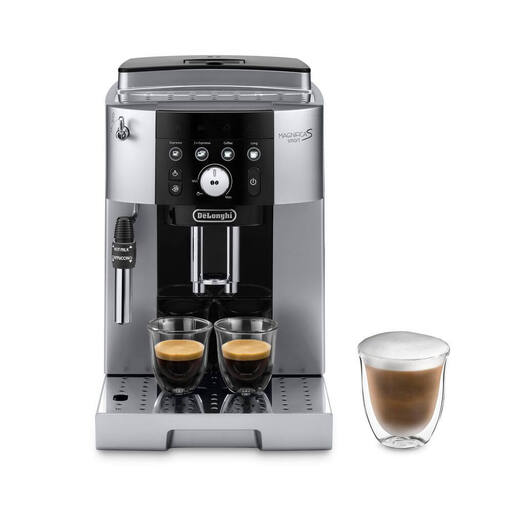 Image unavailable
This automatic grinder machine is for anyone who wants to use beans without measuring out each cup using a portafilter.
If you plan to make milk-based drinks, check the manual for instructions on cleaning the steam wand for this model.
 Image unavailable
This automatic grinder model is worth considering if you prefer making coffee from beans.
Check that it will fit in the space you have, and review the maintenance instructions for the ECAM22.140.B.
 Image unavailable
This bean-to-cup machine is worth considering if you want to use beans and let the machine handle the preparation.
For the ECAM220.21.WW, check which drinks are available and what maintenance is required, especially if you use the steam wand.
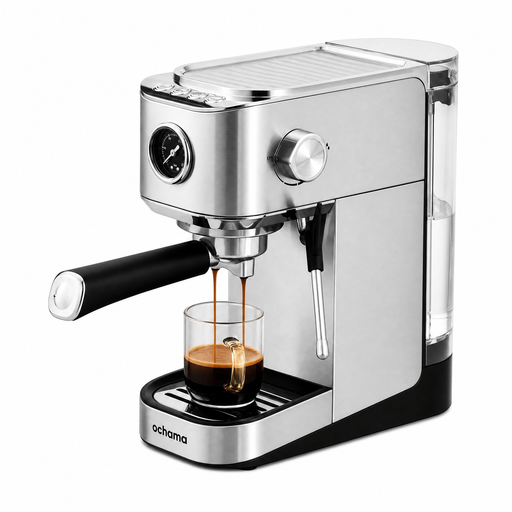 Image unavailable
Worth considering if you’re happy to be more involved in making your coffee than you would be with an automatic grinder machine.
The product description lists a pressure of 20 bar, a removable 0.9 L tank, a cup warmer, a pressure gauge, a stainless steel body and a steam wand. The stated pressure alone is not enough to judge the espresso in the cup.
Follow the warnings about hot surfaces and locking the portafilter in place before brewing.
No. Compatibility depends on the machine’s system. For example, Nespresso France says its Citiz Platinum takes Nespresso Original capsules only. Check the model and its manual before buying capsules.
Compare the consumables for the drinks you actually make, then check which cleaning products are recommended for each model. The per-cup cost estimates published by UFC-Que Choisir in 2009 don’t reflect current costs.
Follow the alert and instructions for your model rather than sticking to a set schedule. De’Longhi says water hardness affects descaling frequency. If you’ve fitted a filter, check the relevant instructions too.
Check the sorting information on the product or its packaging to find out how to dispose of it. France’s Ministry for the Ecological Transition describes this labelling as a guide to sorting used products and appliances. Nespresso France also says it provides collection points for its capsules through its own network.