For espresso served after meals in a care home, a blend with a balanced profile is a good starting point to offer residents for tasting, rather than imposing a full-bodied coffee on everyone. You could also provide a decaffeinated option where individual care needs call for it, and check that each format suits the machine and serving arrangements. The French National Authority for Health recommends taking each person’s preferences and difficulties into account; the French Agency for Food, Environmental and Occupational Health & Safety notes that the effects of caffeine vary, particularly according to health conditions and certain medicines.
Who is this choice for?
Teams responsible for serving coffee every day
Catering managers can offer residents a balanced espresso to taste before choosing a product for everyday service. In care homes, the French National Authority for Health recommends asking residents about their preferences and any difficulties they experience.
Residents who need particular care with caffeine
Depending on the individual’s circumstances, the appropriate team can consider a decaffeinated alternative, particularly where sleep, health conditions or certain medicines are a factor. The French Agency for Food, Environmental and Occupational Health & Safety notes that the effects of caffeine vary from person to person.
Services using bean-to-cup or capsule machines
Your choice of blend also depends on the equipment. Beans require a suitable machine or grinder, while capsules must be compatible with the system you have installed.
What should you check before buying?
For coffee served after meals in a care home, start with residents’ preferences and individual needs relating to caffeine. Then check that the available formats suit your machine and serving arrangements. An intensity rating describes a product’s stated profile, not its caffeine content.
| Consideration |
What to check |
Who it matters to |
| Flavour after a meal |
Offer a balanced profile to taste and, if requested, a full-bodied option. Compare the stated intensity ratings, but don’t assume that ratings from different brands use the same scale. |
If I’m choosing coffee for everyday service, I want to know what residents enjoy before settling on a blend. Around 36% of consumers would reportedly put taste acceptance first. |
| Caffeine and sleep |
Keep a clearly identified decaffeinated option available when individual care needs call for it. You could also discuss serving times with the appropriate team. |
For someone sensitive to caffeine, or whose sleep is affected by late coffee, I’d like to be able to offer an alternative. Limiting caffeine would reportedly be the priority for around 29% of consumers. |
| Machine and service |
Check the capsule system or whether the beans can be ground, then match the pack size to the number of cups served. |
When several cups need to be prepared, I need a format that suits both the machine and the way we serve coffee. This compatibility would reportedly come first for around 21% of consumers. |
| Pack size and supply |
Compare pack sizes with your rate of consumption and check ordering arrangements with your chosen supplier. |
If I’m placing repeat orders, I want to avoid unsuitable pack sizes and keep supply organised. Around 14% of consumers would reportedly prioritise this continuity. |
Mistakes to avoid
-
Assuming intensity is a measure of caffeine
Stated intensity ratings describe products according to each brand’s own scale. They don’t tell you how much caffeine is in a cup or whether an individual needs to limit their intake.
Use the ratings to help organise a tasting, and identify the decaffeinated option separately if needed.
-
Choosing a full-bodied espresso for everyone without a tasting
A full-bodied blend may suit some residents’ stated preferences, but it won’t necessarily work for everyone. The French National Authority for Health recommends taking residents’ preferences and difficulties into account in care homes.
Offer a balanced and a full-bodied option to taste before deciding how much of each to serve.
-
Choosing the coffee before checking the machine
Beans need to be prepared using suitable equipment, and capsules will only work with a compatible system. Choosing the right profile won’t solve a format incompatibility.
Before ordering, note down the machine model, its capsule system, if applicable, and how many cups you need to prepare.
A pack size that doesn’t suit your serving rate could also leave you with stock that’s difficult to use up.
Brands to consider
Lavazza
Lavazza offers several whole-bean espressos, including Espresso Italiano Classico Beans, rated at 5/10 for intensity, and Espresso Barista Perfetto Beans, rated at 6/10.
- These two options give you a way to taste profiles described as balanced.
- The stated intensity doesn’t measure caffeine or tell you what residents will prefer.
illy
illy offers its 100% Arabica blend in several formats, including whole bean, ground, capsules and E.S.E. pods.
- The range of formats makes it easier to find an option suited to your equipment.
- Check that the capsules or pods are compatible with each machine. Choosing the right format is no substitute for a tasting.
Carte Noire
Carte Noire’s range includes Espresso Puissant whole beans, rated at 11/13 for intensity, and Espresso Décaféiné N°5 capsules.
- These options suit two different needs: a full-bodied profile requested by some residents and a decaffeinated alternative.
- Espresso Décaféiné N°5 capsules are stated to be compatible with Nespresso. The full-bodied bean option shouldn’t become the automatic choice for everyone.
Carrefour
Carrefour’s range includes Espresso Carrefour Extra whole-bean coffee in a 500 g bag.
- You can compare the pack size with your service’s rate of consumption.
- Check ordering arrangements at the store or through the channel you actually use.
E.Leclerc / Plantation
E.Leclerc stocks Plantation whole-bean coffees, as well as ground coffee in its range.
- These formats offer options to compare for a service using a bean-to-cup machine or ground coffee.
- Check the exact product and pack size at the relevant store before adding it to your service.
Auchan
Auchan offers 500 g packs of 100% Arabica whole-bean espresso, rated at 8/10 for intensity, as well as 1 kg packs of traditional whole-bean coffee.
- The two pack sizes let you compare what best suits your service’s rate of consumption.
- The stated intensity doesn’t tell you the caffeine content or whether residents will enjoy the coffee.
Espressos to explore on Joybuy
These options include decaffeinated capsules, capsules for a standard espresso and whole-bean coffee. For service in a care home, first choose according to the drink you want to serve and the machine available. Then offer the selected profile to taste before placing a bulk order.
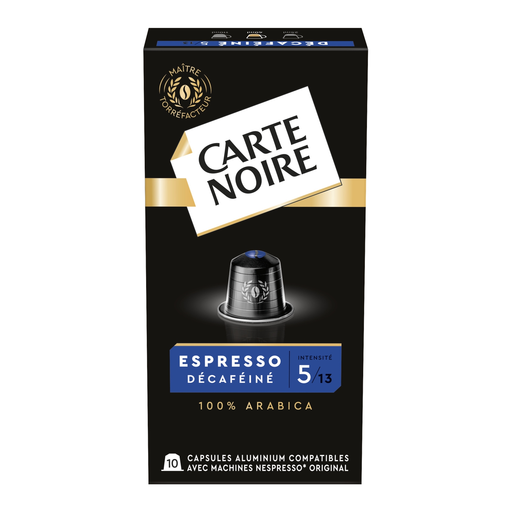 Image unavailable
Carte Noire Espresso Décaféiné N°5, 10 capsules
A decaffeinated option to consider for individualised service, provided you have a machine compatible with Nespresso. The product is rated at 5 for intensity; this rating doesn’t measure caffeine.
View on Joybuy
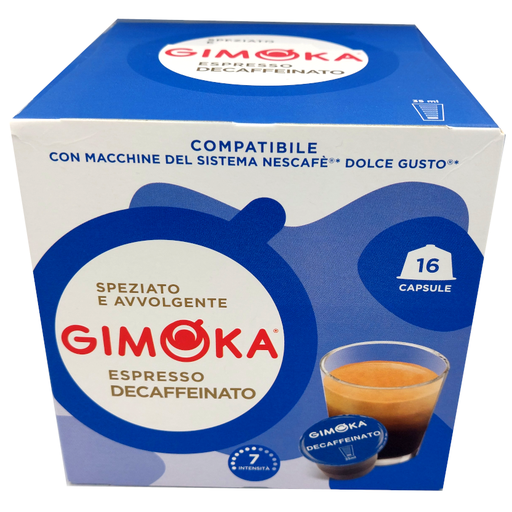 Image unavailable
GIMOKA Espresso Décaféiné, Dolce Gusto-compatible capsules, 16 capsules, 112 g
Consider this decaffeinated option if your service uses a Dolce Gusto-compatible machine. The pack contains 16 capsules and weighs 112 g.
View on Joybuy
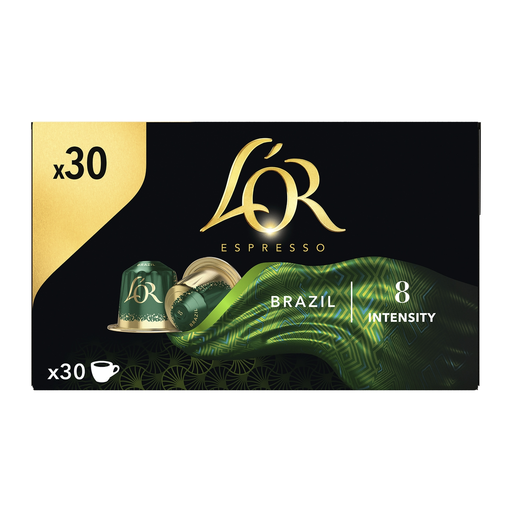 Image unavailable
L’OR Espresso Brazil x30
An option to taste if a standard capsule espresso suits your service. Check your machine’s capsule system before choosing this pack of 30.
View on Joybuy
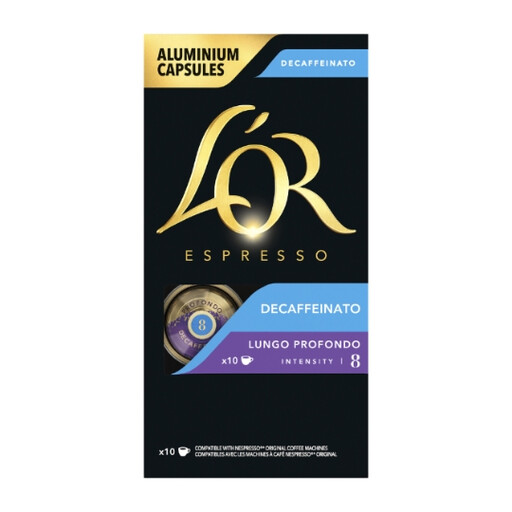 Image unavailable
L’OR Espresso Lungo Professional Dec x10
This decaffeinated option is a lungo. Check that this longer drink suits your service rather than treating it as a short espresso. Also confirm that the capsules are compatible with your machine.
View on Joybuy
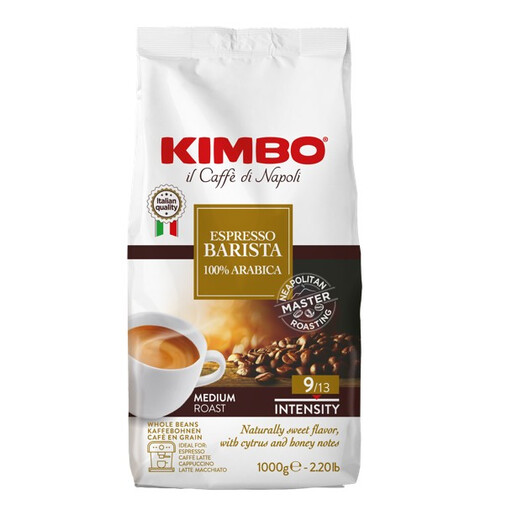 Image unavailable
KIMBO Espresso Barista whole-bean coffee, 100% Arabica, 1 kg
Offer this to taste if your service has a bean-to-cup machine or a suitable grinder. The product is described as medium-roasted and rated at 9/13 for intensity; this rating doesn’t measure caffeine.
View on Joybuy
Frequently asked questions
Does the intensity rating tell you the caffeine content?
No. An espresso’s stated intensity alone won’t tell you its caffeine content. It can help you choose profiles for a tasting, but any individual decision about caffeine should be discussed with the appropriate team.
When should you offer decaffeinated espresso in a care home?
Offer it as an alternative when an individual’s care needs mean their caffeine intake should be considered, rather than automatically replacing the coffee served to everyone. The French Agency for Food, Environmental and Occupational Health & Safety notes that the effects of caffeine vary according to health, habits and certain medicines. Also check that the decaffeinated format you choose suits your machine.
Can you serve the same espresso to all residents?
Don’t make this an automatic rule. The French National Authority for Health recommends taking each person’s preferences, needs and difficulties into account in care homes. If a resident has a planned adjustment to the texture or way their drink is served, follow their individual care plan with the team supporting them.
How should you store whole-bean coffee after opening?
Follow the instructions on the product you’ve bought. For its traditional whole-bean coffee, Auchan recommends resealing the bag securely and storing it in an airtight container in a cool, dry place.


