Waking up with a stiff neck or shoulder pain is often a sign that it's high time to rethink your bedding, starting with your pillow. An ergonomic pillow isn't just a comfort accessory; it's a genuine health ally, specially designed to ensure perfect alignment of your head, neck, and spine while you sleep.
But with the overwhelming number of models available, choosing the right one can quickly become a headache. This guide is here to help you make sense of it all, understand the essential criteria, and find the pillow perfectly suited to your needs and body type.
How to Choose the Right Ergonomic Pillow?
Before you dive in, let's review the key criteria that will make all the difference to your nights.
1. Material: The Heart of Comfort
Forget old feather pillows; technology has made giant leaps. There are two main families of materials for ergonomic models:
- Memory Foam: This is the undisputed star of the cervical pillow. Its unique feature? It reacts to your body's heat and pressure to perfectly mould to the contours of your neck and head. The result: pressure points are evenly distributed, which helps relieve tension. Some models include a gel for a cooling pillow effect—a real bonus for those who tend to overheat at night.
- Latex: Naturally elastic and breathable, latex offers more responsive and dynamic support. It instantly returns to its shape and ensures excellent air circulation. It's the top choice for those looking for a hypoallergenic pillow, as it is naturally resistant to dust mites and mould.
2. Your Sleeping Position: A Decisive Factor
Tell me how you sleep, and I'll tell you which pillow to choose. The alignment of your spine depends directly on it.
- For side sleepers: You'll need a fairly thick and firm pillow to fill the space between your shoulder and your ear. The goal is to keep your head aligned with your spine.
- For back sleepers: Opt for a pillow of medium thickness and firmness. It will support the natural curve of your neck without tilting your head too far forward.
- For stomach sleepers: This is the least recommended position for your neck. If you really can't sleep any other way, a very thin pillow—or no pillow at all—is the best solution to avoid excessive neck twisting.
3. Modularity: Customised Comfort
The latest trend? Modular pillows. An adjustable-height pillow allows you to remove or add filling to sculpt the ideal support with precision, according to your body type and sleeping habits.
Ergonomic Pillow Recommendations for Comfortable Support
We've scoured the market to bring you a selection of models that stand out, each meeting a specific need.
MENDALE Memory Foam Pillow
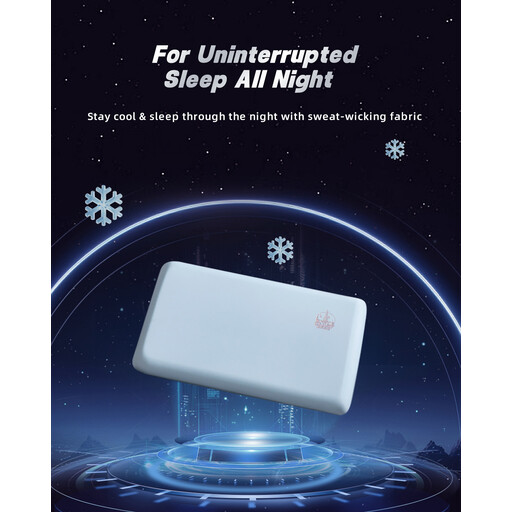
- Why it stands out: It combines a proven cervical shape with cooling gel-infused memory foam for precise support that prevents overheating at night.
- Benefits:
- Adaptive support thanks to memory foam.
- Cooling technology for better temperature regulation.
- Ergonomic design that follows the cervical curve.
- Breathable and washable cover.
- Who is it for? Ideal for back or side sleepers seeking precise cervical support but who dread the "hot water bottle" effect of classic memory foam.
JORDAN&JUDY Latex Pillow
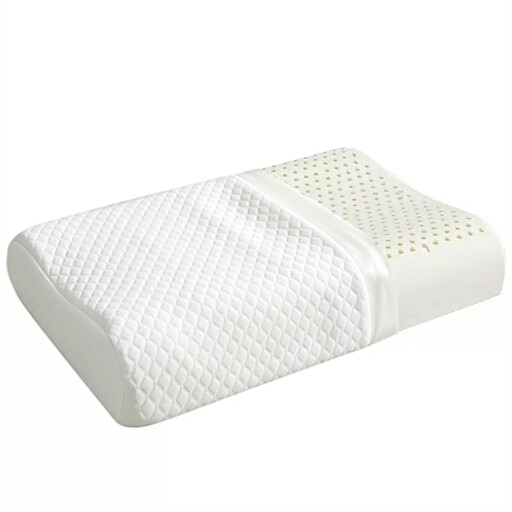
- Why it stands out: Made from latex, this pillow offers excellent resilience and ventilation. Unlike memory foam, it provides bouncier, more dynamic support.
- Benefits:
- Consistent and responsive support thanks to high-resilience latex.
- Optimised ventilation through its perforated structure.
- Natural hypoallergenic properties.
- Comes with a matching pillowcase.
- Who is it for? For those who find memory foam too "soft" and prefer firmer support, as well as for people prone to allergies.
EMMA Original Comfort Pillow
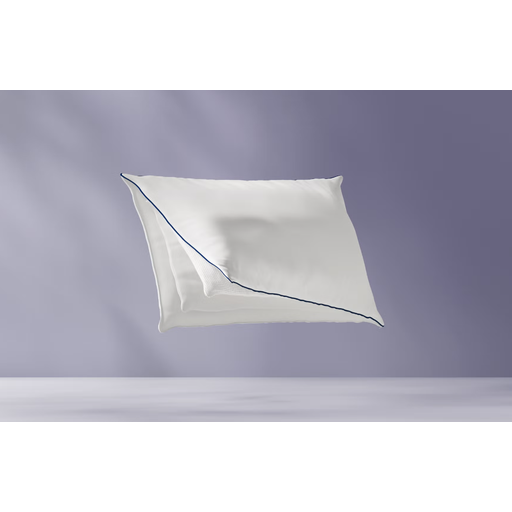
- Why it stands out: Its key feature is total modularity. This adjustable-height pillow consists of several removable foam layers. It's up to you to find the perfect combination of height and firmness.
- Benefits:
- Fully customisable height and firmness.
- Adapts to all sleeping positions (side, back, stomach).
- Hypoallergenic materials.
- Easy care: fully machine washable.
- Who is it for? For the undecided or those whose preferences change over time. It's the Swiss Army knife of pillows—a safe bet that adapts to (almost) everyone.
JORDAN&JUDY Butterfly Shaped Memory Pillow
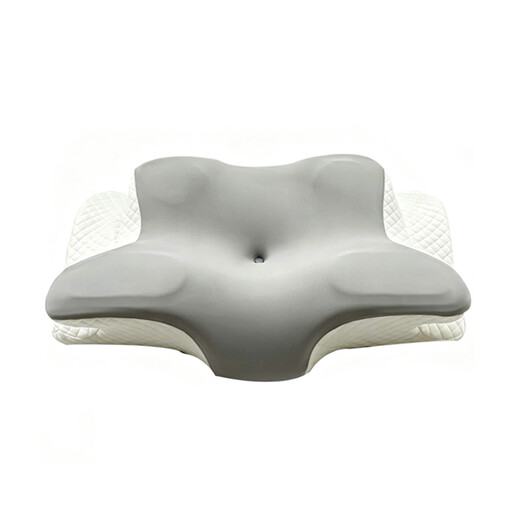
- Why it stands out: Its original butterfly shape is more than just a gimmick: it creates targeted support zones. The cut-outs on the sides are a real bonus for side sleepers, who can finally position their arms comfortably.
- Benefits:
- "Slow rebound" memory foam for optimal pressure relief.
- "Butterfly" design conceived for multi-position sleepers.
- Perfect as a pillow for side sleepers.
- Soft and breathable cover.
- Who is it for? The perfect choice for side or back sleepers who like to "hug" their pillow. Its enveloping design offers a reassuring cocoon for the head and neck.
Looking to Complete Your Decor?
Now that your nights are taken care of, why not think about your days? If the pillow is the king of nighttime comfort, the cushion is the king of ambiance and style.
For a touch of colour and softness in your living room or bedroom, take a look at our selection of pink bohemian style cushions.
Frequently Asked Questions (FAQ)
1. Can an ergonomic pillow really relieve neck pain?
Yes. An ergonomic pillow is specifically designed to maintain proper alignment between the head, neck, and spine. By promoting a neutral posture during the night, it helps reduce muscle tension and pressure points, which are often responsible for pain upon waking. It's the ultimate solution for a neck pain pillow. Please note, in cases of chronic or acute pain, it is obviously not a substitute for a medical consultation.
2. What is the lifespan of a memory foam pillow?
A good memory foam pillow is estimated to last between 2 and 4 years. Over time, the foam loses its elasticity and no longer provides optimal support. A tell-tale sign: if your pillow sags, retains a "hollowed-out" shape, or if your morning pains return, it's high time for a replacement.
3. How do I choose the right height for my pillow?
The perfect height depends on your body type (especially the width of your shoulders) and your favourite sleeping position. As a general rule: side sleepers need a higher pillow to fill the gap between their ear and the mattress, while back sleepers will prefer a lower model. When in doubt, an adjustable-height pillow is the best solution to experiment and find the setting that is 100% right for you.


