
Livraison le jour même ou le lendemain

Qualité garantie

Débloquez vos offres de bienvenue: Livraison GRATUITE | Jusqu'à -80 % | 30 jours d'essai gratuits à JoyPlus
Téléchargez l'application
Waking up with a stiff neck and knotted shoulders? If this feeling is ruining your mornings, your pillow is the likely culprit. Poor head and neck support is one of the leading causes of unrestful sleep. Investing in an ergonomic cervical pillow isn't a luxury; it's a highly recommended solution for reclaiming peaceful nights and pain-free mornings.
The market is flooded with models making tempting promises, and it's easy to get lost. Our guide is here to break down the essentials and help you find the pillow perfectly suited to your body and sleep habits, cutting through the marketing jargon.
Before you dive in, a few key concepts will help you sort through the options and identify what makes a great pillow.
The vast majority of high-performance ergonomic pillows rely on memory foam. Why? Because this heat-sensitive material adapts to your body's warmth to perfectly mould to the contours of your head and neck. Its secret lies in its slow rebound: instead of creating counter-pressure, it gently cradles your neck. The result is stable support for the neck and shoulders, which promotes complete muscle relaxation. It's the top choice for ensuring perfect alignment all night long.
Ergonomic pillows come in several shapes, the most common being the wave or contour design, which features two different heights to fit the curve of the neck. How you use it depends on your preferred sleeping position.
Other models, thanks to clever cutouts or a hollowed-out centre, are designed to be universal and adapt to all sleeping positions, even on your stomach.
This is a non-negotiable point. A pillow that's too high or too low will break the alignment of your spine and guarantee you'll wake up in pain. The ideal height depends on your body type (especially your shoulder width) and your sleeping position. As for firmness, while it's largely a matter of preference, a good cervical pain relief pillow must be dense enough to prevent your head from sinking completely, while still remaining comfortable.
To put theory into practice, here are three models that have caught our attention.
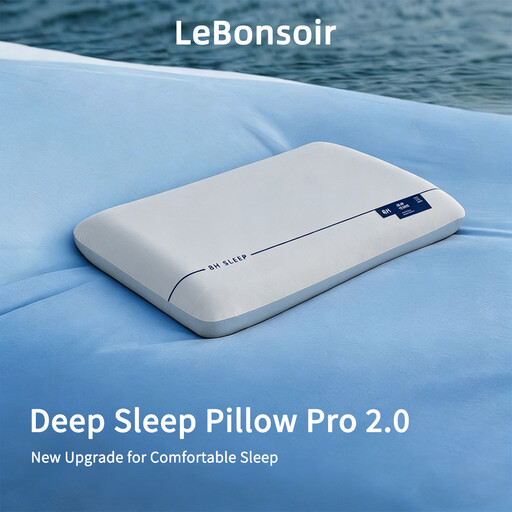
Its Standout Feature
This pillow combines slow-rebound memory foam for enveloping support with an ingeniously designed central cradle to free up the airways and ensure perfect alignment. Its cervical contour follows the curves of the neck and shoulders for targeted, flawless support.
Benefits
Who is it for?
It's the ideal companion for individuals whose pain is aggravated by poor posture, especially office workers, students, or seniors looking to improve their sleep quality.
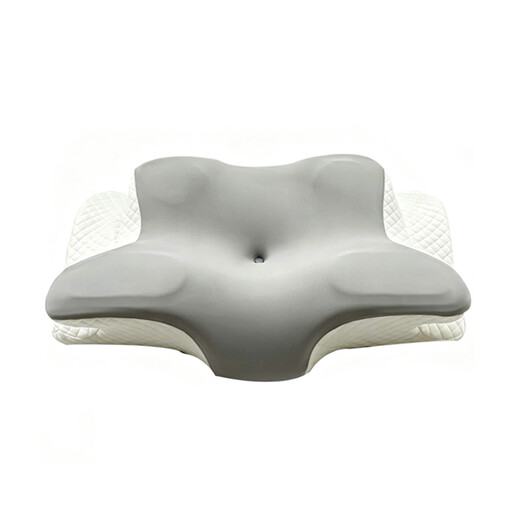
Why It Stands Out
Its butterfly design isn't just for aesthetics; it's engineered to offer dedicated support zones for the head, neck, and even the arms. The slow-rebound memory foam guarantees gradual adaptation and customised comfort, no matter how you move at night.
Benefits
Who is it for?
For sleepers who want a more structured and enveloping feel than a classic contour pillow. Its design will particularly appeal to side sleepers who never know where to put their arms.
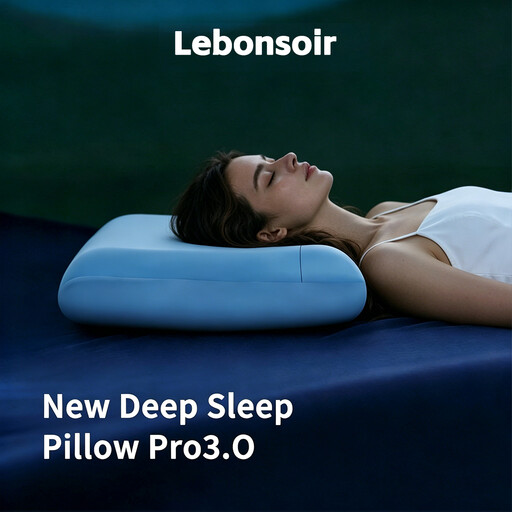
What We Love
A step up, the Pro 3.0 version stands out with its 3-layer foam construction. The first layer offers a plush feel, the second prevents the head from sinking too deep, and the third stabilises the entire structure. The cover is just as impressive: it's more breathable, wicks away moisture, and helps regulate temperature to prevent overheating at night.
Benefits
Who is it for?
For those who want to take their support to the next level and for people sensitive to temperature changes during sleep. Its multi-layer design offers progressive and highly technical comfort.
Well-being at home doesn't stop at the bedroom door. To also enhance your comfort during the day, discover our selection of black dining chair cushions with ties designed to improve your seating.
1. How do I know if an ergonomic pillow is right for me? The ultimate test is alignment. When lying on your side, your spine should form a perfectly straight line from your head to your pelvis. On your back, your chin should point neither towards the ceiling nor towards your chest. Beyond the technical aspects, how it feels is paramount: you shouldn't feel any pressure or discomfort.
2. Is there an adjustment period for a memory foam pillow? Yes, and that's completely normal. Allow anywhere from a few days to two weeks for your body to get used to this new support. A slight 'new product' smell may also be present when you unbox it: simply let the pillow air out for 24 to 48 hours, and it will disappear.
3. Orthopaedic vs. Ergonomic Pillow: What's the difference? The two terms are often used interchangeably. To put it simply: an ergonomic pillow is designed for comfort and efficiency by adapting to our body. An orthopaedic pillow is an ergonomic pillow with a more medical purpose, focused on postural correction to alleviate a specific condition. In practice, the best cervical pillows combine both approaches.