Stiff neck and tense shoulders when you wake up? That's a clear warning sign: it's high time to focus on one of the most overlooked cornerstones of your bedding—your pillow. A misaligned spine during the night doesn't just disrupt your sleep; it can also cause tension that follows you throughout the day.
This is where the ergonomic pillow comes in, specifically designed to offer customised neck support. But with an overwhelming number of options on the market, finding the right one can be a challenge. This guide is here to demystify the choices and help you find the perfect model for your body type and sleeping habits, so you can finally rediscover deep, truly restorative sleep.
How to Choose the Right Ergonomic Pillow
Before you dive in, let's review the criteria that make all the difference. Here are the key points to consider to make an informed choice.
1. The Material: The Core of Support
The material is the heart of the pillow. It's what defines the level of comfort and support.
- Memory Foam: This is the undisputed star of the cervical pillow world. It reacts to your body's heat and pressure to perfectly contour to your head and neck. This allows it to distribute weight evenly, reduce pressure points, and maintain optimal spinal alignment. A memory foam pillow is often recommended to relieve neck pain.
- Latex: Naturally hypoallergenic and breathable, latex offers more responsive and buoyant support than memory foam. It's well-suited for those who move around a lot during the night.
- Synthetic Fibres: Often available at a more accessible price point, these pillows provide pleasant comfort initially but tend to flatten out more quickly and offer less precise support in the long run.
2. Height and Firmness: A Matter of Position
The height and firmness of your pillow depend directly on your favourite sleeping position. The goal is to keep your head in perfect alignment with your spine.
- For Side Sleepers: You need a pillow for side sleepers that is high and firm enough to fill the space between your shoulder and neck. This prevents your head from tilting and creating cervical tension.
- For Back Sleepers: A medium height is generally ideal. The pillow should support the natural curve of your neck without pushing your head too far forward.
- For Stomach Sleepers: This position is the least recommended as it places significant strain on the neck. If this is your habit, opt for a very flat, soft pillow—or even no pillow at all—to minimise tension.
3. The Cover: A Detail That Changes Everything
Don't underestimate the cover: this detail makes all the difference! Prioritise materials that are breathable and soft against the skin. A removable, machine-washable cover is a major plus for impeccable hygiene. Certain fabric technologies can also help regulate temperature, a significant advantage for those who tend to sweat at night.
Our Recommended Product Selection
Our team has analysed the features of several models to bring you a selection tailored to different needs.
The Champion of Cervical Support
Lebensoir Cervical Support Pillow (Deep Sleep Pro 2.0 Style)
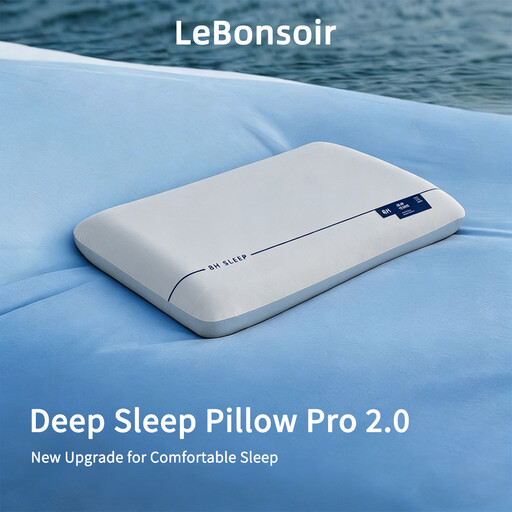
- Why we love it: This cervical pain relief pillow uses a slow-rebound memory foam that strikes the perfect balance between firm support and a plush feel. Its ergonomic shape, with a wave for the neck and a central hollow, is designed to maintain spinal alignment and promote easier breathing.
- Advantages:
- Ergonomic contour adapted for neck and shoulder support.
- Slow-rebound foam for cradling comfort.
- Designed to adapt to all sleeping positions (side, back, stomach).
- Who is it for? Ideal for those who suffer from tension upon waking, especially office workers, students, and anyone looking to actively invest in the quality of their sleep.
Accessories for Absolute Comfort
A great pillow deserves a cover that lives up to it. Here are two options to perfect your sleep experience.
MEROPE Cooling Pillowcase
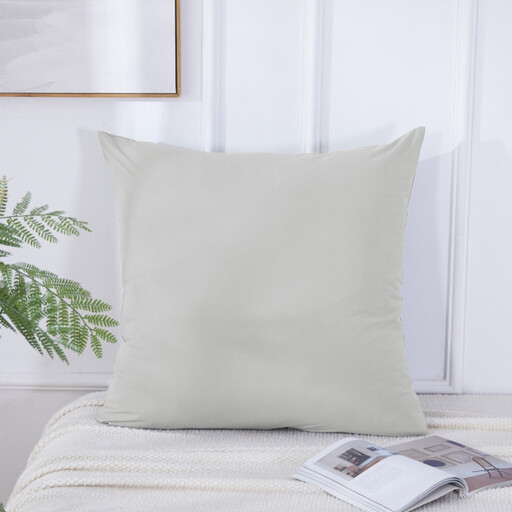
- Why we love it: Knitted from 90% nylon and 10% Spandex, this pillowcase provides an instant cooling sensation on contact. It is designed to help regulate temperature throughout the night.
- Advantages:
- Breathable fabric with a cooling sensation.
- Zipper closure for a perfect fit.
- Certified STANDARD 100 by OEKO-TEX, guaranteeing it is free from harmful substances.
- Who is it for? Perfect for people who tend to get hot at night and are looking for a cooler, more comfortable sleeping surface.
MEROPE Bamboo Pillowcase
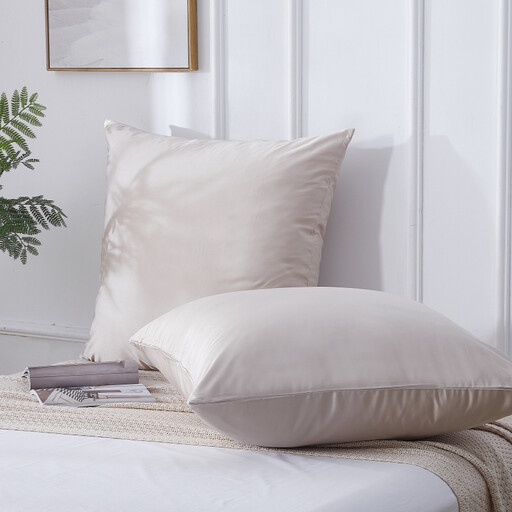
- Why we love it: Made from 100% bamboo viscose, this pillowcase stands out for its incredibly soft and silky texture. Bamboo is a renewable resource known for its breathable and moisture-wicking properties.
- Advantages:
- Ultra-soft and silky feel, ideal for sensitive skin.
- Natural moisture-regulating properties.
- Certified OEKO-TEX Standard 100, a guarantee of skin safety.
- Who is it for? The ideal option for those who prioritise natural materials, extreme softness, and textiles that are gentle on sensitive skin.
Looking for Other Options?
Our selection is just a starting point. To explore other shapes, materials, or firmness levels, feel free to browse our full range.
Discover our complete collection of bed pillows
Frequently Asked Questions
What is the lifespan of an ergonomic pillow?
As a general rule, it is recommended to replace a memory foam pillow every 2 to 3 years. Over time, the foam loses its resilience and, therefore, its effectiveness in providing support. If you notice that your pillow has sagged, become lumpy, or your neck pain is returning, it is likely time for a replacement.
How do I know if my ergonomic pillow is the right height?
The test is simple: lie down in your usual sleeping position and ask someone to check your spinal alignment. When on your side, your spine (from your neck to your tailbone) should form a perfectly straight line, parallel to the mattress. When on your back, your head should neither be tilted back nor pushed forward. Your gaze should naturally be directed towards the ceiling.
Can you wash a memory foam pillow?
Absolutely not! The memory foam block should never be put in a washing machine or submerged in water, as this can irreversibly damage its structure. Generally, only the pillow's cover is washable. Always refer to the manufacturer's care instructions. To freshen up the foam block, simply air it out in a well-ventilated area, away from direct sunlight.


