
Livraison le jour même ou le lendemain

Qualité garantie

Débloquez vos offres de bienvenue: Livraison GRATUITE | Jusqu'à -80 % | 30 jours d'essai gratuits à JoyPlus
Téléchargez l'application
We're sold the idea of a restorative night's sleep as the key to well-being, but for many, waking up means a stiff neck and an aching back. The ergonomic pillow is often presented as the miracle solution. The problem? The market is saturated with confusing marketing promises. Before you make a purchase, it's best to know the common pitfalls that can turn a good investment into a regrettable one.
Finding the right pillow isn't just a matter of brand or price. It is, above all, a personal matter. Here are the most common mistakes to avoid:
To cut through the jungle of options, focus on technical and objective criteria. These indicators are your best allies for judging a product's relevance, far beyond the marketing spiel.
The mission of a cervical pillow? To maintain the natural alignment of your spine. For this, height and firmness are inseparable and depend directly on your favourite sleeping position:
This is what dictates the comfort, support, and lifespan of your pillow.
The shape of the pillow is not a gimmick: it determines how your neck will be supported.
Because every sleeper is unique, here are a few models that cater to specific profiles, selected based on our objective criteria.
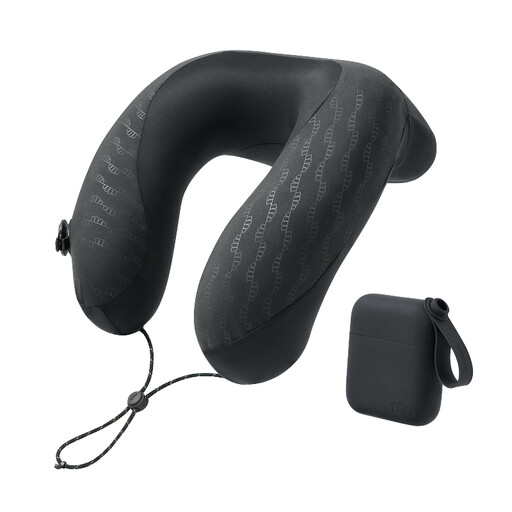
The Profile: Ideal for those who want real cervical support on the go. This travel pillow is designed to be compact and lightweight without sacrificing ergonomics during long journeys by train, car, or plane.
It doesn't present itself as a miracle solution for the bed, but as a specialised tool. Its press-to-inflate system allows you to adjust the firmness on the fly, avoiding the trap of rigid, ill-fitting, one-size-fits-all support.
Quick press-to-inflate system, durable and breathable technical fabric, and an ultra-packable format for quick storage.
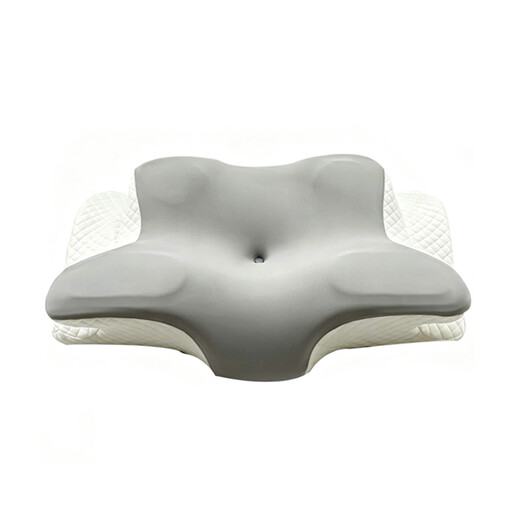
The Profile: Its unique shape is designed for versatile sleepers who alternate between their back and side. The side cut-outs create space for arms and shoulders, while the central area supports the neck.
This model sidesteps the 'single-position' pillow trap. Its design is anything but generic; on the contrary, it is engineered for controlled versatility across multiple sleeping postures.
Slow-rebound memory foam for enveloping comfort, and a design that follows your movements throughout the night.
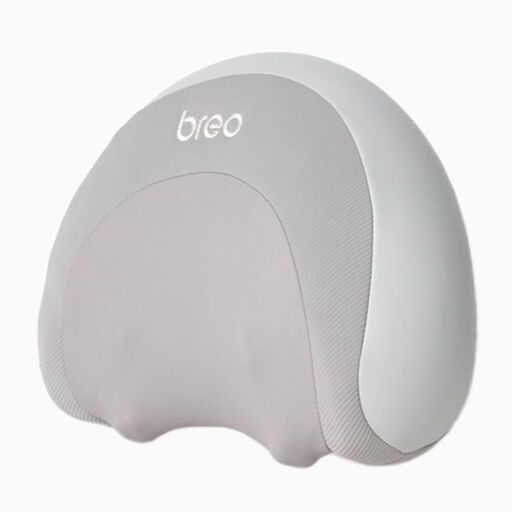
The Profile: For those who expect more than just passive support. This massage pillow combines an ergonomic base with active relaxation features (Shiatsu massage, heat) to release muscle tension at the end of the day.
It isn't marketed as a pillow for sleeping, but as a true wellness device. Its value proposition isn't based on a vague promise of 'comfort', but on clear, targeted technological functions.
Three massage modes, a dual-level heating function, and a wave design that perfectly conforms to the curve of the shoulders and neck.
We have compiled a complete and up-to-date selection of products that meet our selection criteria and current safety standards.
Its lifespan depends on the quality of the materials and its care. On average, a good memory foam pillow (high density) should be kept for 2 to 3 years. The tell-tale signs it needs replacing are: it sags noticeably, loses its shape, or develops lumps. A latex model will generally last a bit longer.
Above all, never put the foam block in the washing machine or dryer: you will destroy its structure. Most models have a removable, washable cover, which should be cleaned regularly. For the foam core itself, spot clean with a damp cloth and a little mild detergent if stained. Then, let it air dry completely, away from any direct heat source.
Yes, and this is completely normal. If your neck has been used to poor alignment for years, switching to proper support may feel strange, or even a little uncomfortable for the first few nights. This adjustment period usually lasts from a few days to a week, giving your muscles and vertebrae time to get used to their new, much healthier posture.