A stiff neck upon waking, sore shoulders... It's an all-too-familiar scenario that often signals your bedding is no longer up to the task. While truly restorative sleep depends on many factors, your choice of pillow is a cornerstone. Far from being a simple accessory, an ergonomic pillow is a genuine investment in your health, designed to ensure the perfect alignment of your spine.
But with an overwhelming number of options, how do you find your way? Our guide is here to navigate the landscape: we provide clear, objective benchmarks to help you choose the pillow perfectly suited to your body type and habits, all without unnecessary marketing jargon.
Buyer's Guide: Key Criteria for Making the Right Choice
Before diving into our top picks, let's review the key points that will help you find the ideal pillow, especially if you suffer from neck pain.
1. The Material: The Heart of Comfort and Support
The filling is the heart of the pillow; it determines its comfort and level of support.
- Memory Foam: A memory foam pillow conforms to the contours of your head and neck for customised support that ideally distributes pressure points. It's a popular choice for relieving tension.
- Natural Fibres (Feathers, Down): These provide that traditional, cosy comfort, with a plush feel and excellent air circulation. They are prized for their timeless softness.
- Hypoallergenic Synthetic Materials: Ideal for allergy sufferers, a hypoallergenic pillow made from synthetic fibres is a practical and easy-to-care-for solution. Many models are also designed to be a breathable pillow, effectively wicking away moisture and heat.
2. The Shape and Firmness: A Matter of Position
Your sleeping position is THE key factor that dictates the ideal height and firmness of your pillow.
- For Side Sleeping: If you are a side sleeper, you need a fairly thick and firm pillow to fill the gap between your shoulder and neck. The goal: to keep your head in perfect alignment with your spine.
- For Back Sleeping: A pillow of medium thickness and firmness is recommended. It should support the natural curve of your neck without tilting your head too far forward.
- For Stomach Sleeping: This is the least recommended position for the neck. If it's yours, opt for a very thin, soft pillow (or no pillow at all) to avoid any excessive neck strain.
3. The Size: The Importance of Dimensions
In France, two formats dominate the market:
- The Square Pillow (60x60 cm): The quintessential traditional format, like the 60x60 pillow. Versatile, it's perfect for reading in bed. For sleeping, however, it can prove a bit bulky and interfere with proper shoulder alignment.
- The Rectangular Pillow (50x70 cm): This more contemporary format is often preferred for sleeping, as it focuses on supporting the head and neck, leaving the shoulders free.
Our Ergonomic Pillow Recommendations
We've scoured the market to bring you a selection of pillows with distinct profiles, capable of meeting a wide range of needs.
1. MENDALE Shredded Memory Foam Pillow
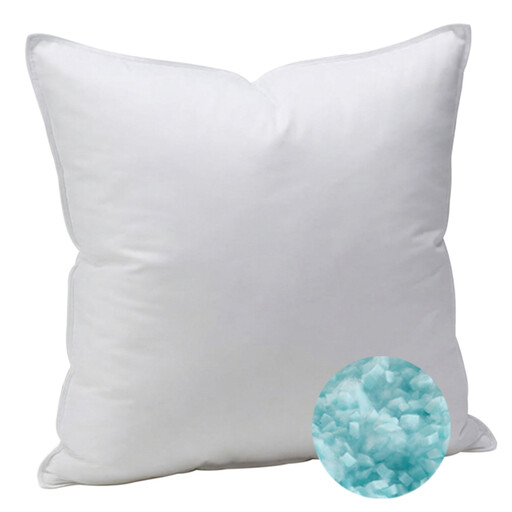
- Why it stands out: This model successfully combines the benefits of memory foam with the flexibility of a traditional pillow. Its shredded foam allows you to shape it to your liking for truly customised support that adapts to all body types and positions.
- Advantages:
- Adaptable Support: The shredded foam allows you to adjust the volume and firmness.
- Hypoallergenic: Designed for those sensitive to allergens.
- Versatile: Suitable for back, side, and stomach sleepers thanks to its high malleability.
- Who is it for?: Ideal for those who are undecided between the firmness of a foam block and the softness of a classic pillow. It's a smart option for people who change positions frequently during the night.
2. EMMA Original Thermoregulating Comfort Pillow 60x60 cm
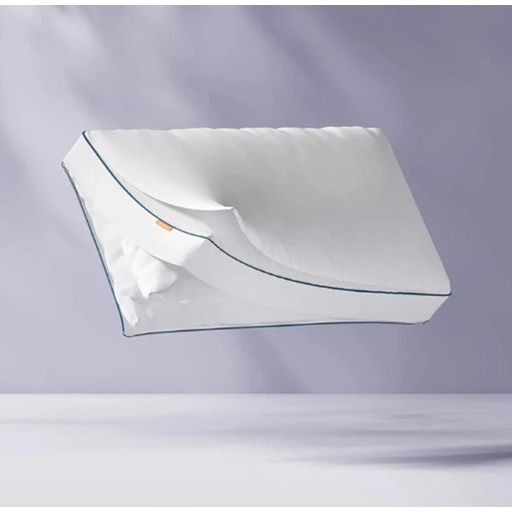
- Why it stands out: Its key strength is a thermoregulating technology designed for those who tend to sleep hot. Its modular design is another major asset, allowing you to adjust the height by removing or adding layers of filling.
- Advantages:
- Thermoregulating Technology: The cover and materials wick away heat and moisture, making it an excellent breathable pillow.
- Adjustable Height: The removable layers allow you to customise the firmness and thickness with precision.
- Easy Care: Fully machine washable for impeccable hygiene.
- Standard Format: Its 60x60 cm dimensions fit most French pillowcases.
- Who is it for?: Particularly suitable for sleepers who suffer from night sweats or are looking for a lasting cool sensation. It's also an excellent choice for those who want complete control over their pillow's height.
3. MORPHEA Drimz Duck Feather Pillow - 60 x 60 cm
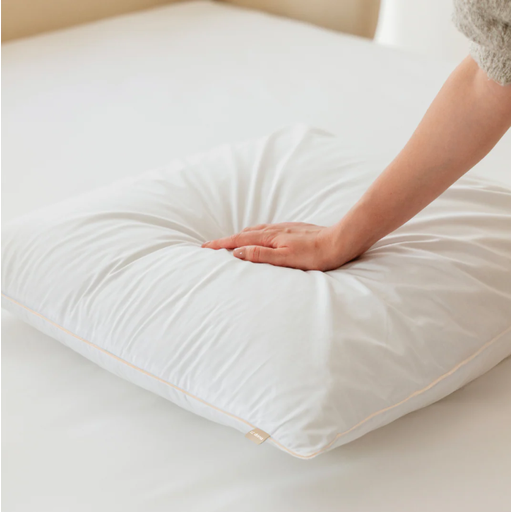
- Why it stands out: This model champions natural, traditional comfort. Its secret: a balanced blend of 90% duck feathers for support and 10% down for unparalleled softness. The certifications (OEKO-TEX, CertiPUR-US) are a true seal of quality and guarantee a healthy product.
- Advantages:
- Natural Comfort: The lofty and soft feel typical of feather pillows.
- Good Breathability: The 100% cotton cover and natural filling promote excellent air circulation.
- Certified Quality: The labels guarantee a healthy product manufactured according to rigorous standards.
- Who is it for?: For lovers of traditional bedding who prefer natural materials over synthetic foams. It's suitable for those seeking a plush feel while still benefiting from good support.
Looking for Other Options?
Our selection highlights pillows that meet specific needs for ergonomics and comfort. Of course, choosing a pillow remains a very personal matter. If you're looking for a different feel or other types of filling, don't hesitate to explore a wider range.
Discover our complete collection of soft bed pillows to find the one that will accompany you through the night.
Frequently Asked Questions (FAQ)
1. What is the lifespan of an ergonomic pillow?
It is generally recommended to replace your pillow every 2 to 3 years. Over time, it inevitably loses its support and loft. It's also a matter of hygiene. A quick inspection is all it takes: if it's flat, misshapen, or has stains, it's time to replace it.
2. How do I choose a pillow for neck pain?
The number one goal is to maintain perfect spinal alignment. To do this, choose a pillow whose height and firmness are adapted to your sleeping position (thicker for side sleeping, medium for back sleeping, very thin for stomach sleeping). A cervical pillow made of memory foam or latex can offer very targeted support, but the most important thing is that your head is neither too high nor too low.
3. Is a memory foam pillow always the solution?
Not necessarily. While a memory foam pillow is incredibly effective at distributing pressure, some find it too firm or lacking in breathability. Comfort remains a highly subjective concept. Alternatives like latex (more responsive), feathers (softer), or adjustable synthetic fibres can be a perfect fit, depending on your preferences.


