
Livraison le jour même ou le lendemain

Qualité garantie

Débloquez vos offres de bienvenue: Livraison GRATUITE | Jusqu'à -80 % | 30 jours d'essai gratuits à JoyPlus
Téléchargez l'application
Waking up with a stiff neck or back pain? The culprit is often easy to spot: your pillow. The ergonomic pillow market makes lofty promises of restorative sleep, but it's easy to get lost in complex marketing jargon. Before you invest, it's best to know the common pitfalls that can turn a promising purchase into a wasted expense.
The problem isn't a lack of choice, but rather the difficulty of navigating it. Here are the most common mistakes to avoid:
To sort through the options and find the perfect model, focus on a few key criteria that directly address your needs.
The number one goal is to ensure your head is aligned with your spine.
Faced with this puzzle, an adjustable pillow, where you can add or remove filling, stands out as a clever solution for personalising your comfort.
The choice of material directly impacts support, durability, and temperature management.
In France, the square 60x60 cm pillow remains the standard. However, for more targeted neck support, rectangular pillows (like the 50x70 cm) or wave-shaped "cervical" pillows are specifically designed to follow the curve of the neck. The choice depends on your sleeping habits and the sensation you're looking for.
Rather than an endless list, we've identified a few key user profiles and the pillows that could transform their nights.
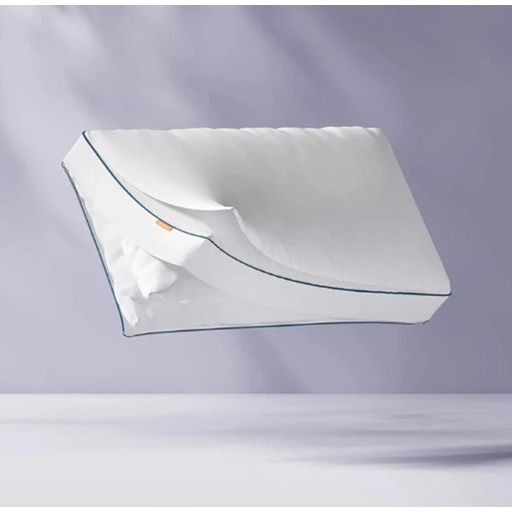
Why we chose it: This is the perfect pillow for those who move around a lot and want to stay cool all night. Its key feature? Customisation, which allows you to find the ideal comfort without having to buy multiple pillows.
It sidesteps the "one-size-fits-all" trap with its adjustable filling and the "hot foam" issue with its thermoregulating cover.
It combines customisable height with breathable materials, making it ideal for a wide range of sleepers, including those sensitive to heat.
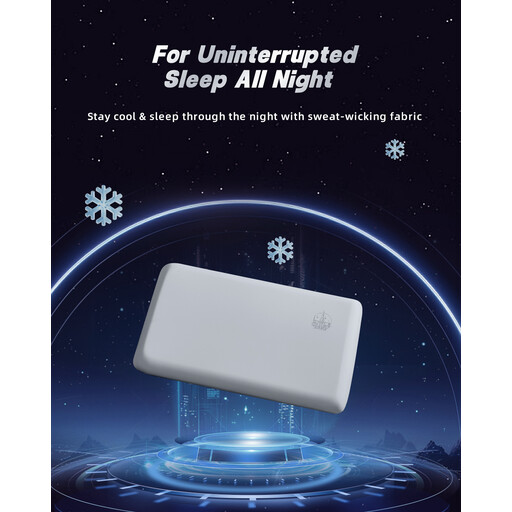
Why we chose it: For those who suffer from neck pain, the pillow's shape is as crucial as its material. This model is specifically designed to ensure perfect neck alignment and relieve tension.
It isn't just made of memory foam. Its ergonomic wave design provides targeted neck support, avoiding the lack of structure found in classic pillows.
Its cervical pillow shape is specially designed to maintain spinal alignment, which helps reduce pressure points on the neck and shoulders.
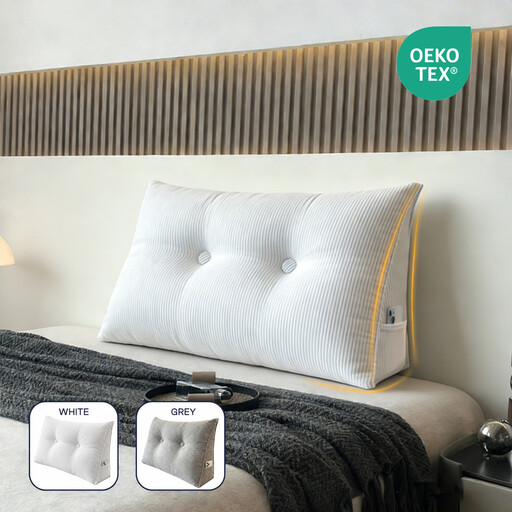
Why we chose it: Because the bed isn't just for sleeping! For those who love to read, watch a show, or even work in bed, good back support is essential to avoid slouching and ending up with aches and pains.
It doesn't pretend to be a sleeping pillow. It's a specialised product that meets a specific need: postural support while sitting up, thus preventing the misuse of classic sleeping pillows.
Its triangular (wedge) shape offers stable and ergonomic back support. The washable cover and side pocket add a much-appreciated practical touch.
For back support or comfort while sitting up, dedicated solutions are often more effective. We've selected products for you that are tailored to these specific needs.
The lifespan depends primarily on the material. As a general rule, a good quality memory foam or latex pillow lasts between 3 and 5 years. Models made of synthetic fibres have a shorter lifespan (1 to 2 years) as they tend to flatten out. Replace your pillow if it's deformed, lumpy, or if you feel the support is no longer adequate.
Crucially, never put the memory foam block in the washing machine, as this will destroy it. Most of these pillows come with a removable, machine-washable cover. For the foam block itself, spot cleaning with a damp cloth and mild detergent is the best solution. Let it air-dry completely before putting the cover back on.
Yes, a short adjustment period (from a few days to a week) is often necessary. Your body, which may be used to poor posture, needs to adapt to this new alignment. However, if the pain persists or intensifies beyond this period, it's likely that the pillow's height or firmness is not right for you. This is where the value of an adjustable pillow really shows, as it allows you to gradually adjust the support.