
Livraison le jour même ou le lendemain

Qualité garantie

Débloquez vos offres de bienvenue: Livraison GRATUITE | Jusqu'à -80 % | 30 jours d'essai gratuits à JoyPlus
Téléchargez l'application
The shift to remote work and long hours studying at home have transformed our relationship with our workspace. A simple kitchen chair is no longer enough when back and neck pain start to set in. Investing in an ergonomic office chair isn't a luxury, but a necessity for maintaining daily comfort and focus.
Faced with a plethora of options, it's easy to feel lost. This guide provides the key insights and clear criteria to choose the comfortable office chair that meets your needs, without the superfluous marketing jargon. We then present a selection of models that have caught our attention for their functionality and value.
Before you begin, here are the essential points that will make all the difference in the long run.
Spending hours in a seated position puts considerable pressure on your lower back. An office chair with lumbar support is designed to follow the natural curve of your spine, which reduces strain and promotes better posture. Some models offer lumbar support that is adjustable in height and depth for a custom fit. Others integrate fixed but well-designed support, which is sufficient for moderate use. This is a crucial feature for preventing back pain.
An ergonomic chair should adapt to you, not the other way around. Check the following adjustment options?:
The chair's upholstery plays a major role in comfort and maintenance. Fabric is warm and comfortable, while mesh is valued for its breathability—a real plus on hot days. For a student dorm chair or a home office, aesthetics also matter. A designer office chair with clean lines will fit more easily into a home interior than a bulky, purely functional office model.
Our editorial team has reviewed several models to offer you a balanced selection that meets different needs and budgets.
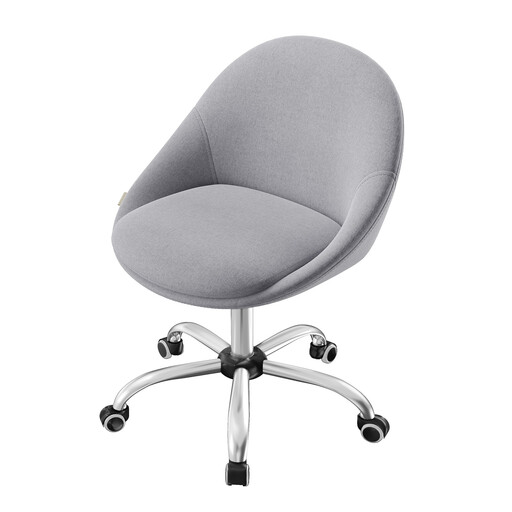
What We Liked
This model shines with its versatility and chic design. With its modern geometric lines and armless design, it's perfect for spaces where every inch counts. It effortlessly transitions from a secondary remote work chair to a vanity or bedroom seat.
Key Features
Who is it for? This chair is an excellent option for students, people with small workspaces, or anyone looking for a functional chair that won't clash with their home decor.
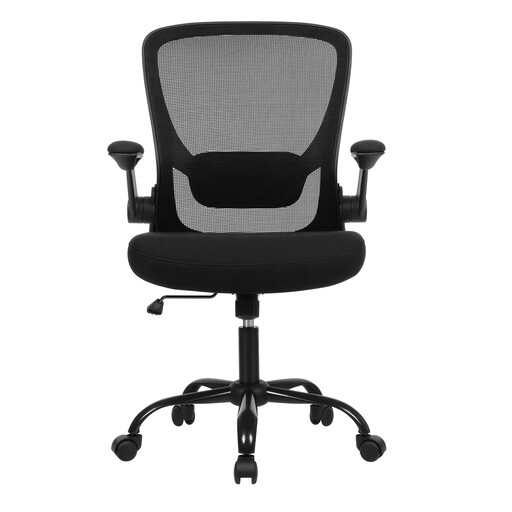
The Performance Choice
This office chair is packed with ergonomic features. It's designed for those who spend long hours at their desk and require reliable, customisable support to stay productive and comfortable.
Key Features
Who is it for? This is the recommended choice for professionals who work from home full-time and for anyone seeking advanced postural support to relieve or prevent back strain.
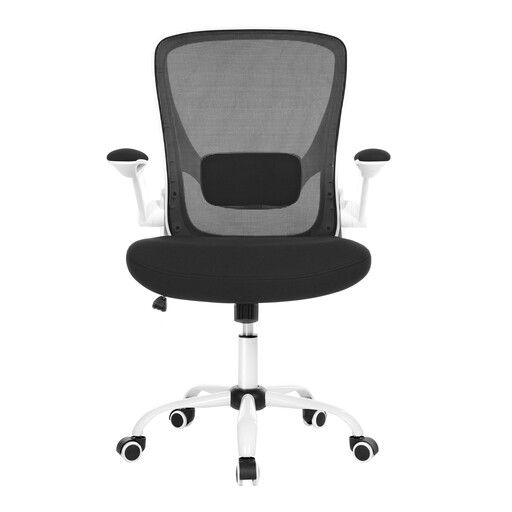
Your Ally Against the Heat
This model features the same excellent ergonomic functions as the fabric version, but with a mesh backrest. This technical material ensures superior breathability, making it a smart choice for warmer environments or for those who are sensitive to heat.
Key Features
Who is it for? Ideal for those who work in a poorly ventilated room or simply appreciate the airy feel of a mesh back. Its modern two-tone design also makes it an excellent choice for a student dorm chair or a contemporary office.
The choice of upholstery is also a matter of personal preference. If you want to explore more chair options with specific upholsteries, like polyester fabric known for its durability and ease of maintenance, explore our other categories.
Discover our wider selection of office chairs to find the material and style that's right for you.
A proper adjustment can be done in a few simple steps?:
Although the terms are often used interchangeably, an executive chair generally refers to a larger seat with more generous padding and often a higher backrest. An office chair can be more compact and varied in design, ranging from minimalist models to highly technical options. Ergonomics remains the number one criterion, regardless of the name.
The lifespan of an office chair depends on the quality of its materials, its construction, and how often it's used. An entry-level model might last a few years, while a well-made chair with a steel frame and quality components can last for 5 to 10 years, or even longer, with proper care.