
Livraison le jour même ou le lendemain

Qualité garantie

Débloquez vos offres de bienvenue: Livraison GRATUITE | Jusqu'à -80 % | 30 jours d'essai gratuits à JoyPlus
Téléchargez l'application
Spending long hours at your desk, whether at home or in the office, can quickly become a nightmare for your back. Poor posture is often the cause of tension in the neck, shoulders, and lower back. Far from being a gimmick, investing in an ergonomic office chair is an essential step to protect your well-being and stay productive.
With an overwhelming number of options on the market, it can be hard to know where to start. Our mission is simple: to provide you with clear, reliable guidance to make an informed choice, free from marketing jargon. This guide breaks down the criteria you shouldn't overlook and presents a selection of models that truly stand out for their design and features.
Before diving into our selection, let's review the fundamental criteria for finding the perfect fit.
An ergonomic office chair should adapt to your body, not the other way around. A quality adjustable office chair must offer a full range of adjustments?:
The upholstery of your chair directly impacts your comfort, especially after several hours of use. A breathable office chair, with its mesh back, is often the smartest choice. This technical fabric provides firm support while allowing air to circulate, preventing a sweaty back during long summer days. The seat, meanwhile, is typically made of high-density foam to ensure lasting comfort without sagging after a few months.
Certifications like BIFMA (Business and Institutional Furniture Manufacturer's Association) or T?V are true hallmarks of quality and safety. They guarantee that the chair has passed a battery of demanding tests for strength, stability, and durability. A certified product is your assurance of a long-term investment.
We have selected three models that stand out for their design, features, and excellent user feedback.
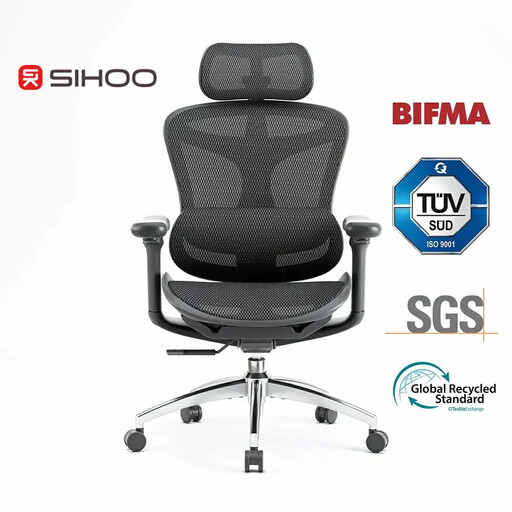
Why it stands out?: The SIHOO office chair Doro C300 is designed around a "dynamic flow" concept. Its flexible backrest follows the movements of your torso, while the lumbar support adjusts to your posture in real-time. With its full mesh structure and 3D armrests that follow the recline, it's a model built for active and continuous support.
Key Features?:
Who is it for?? For professionals and demanding users who spend long hours at their desk and are looking for a high-end solution offering dynamic and adaptive support.
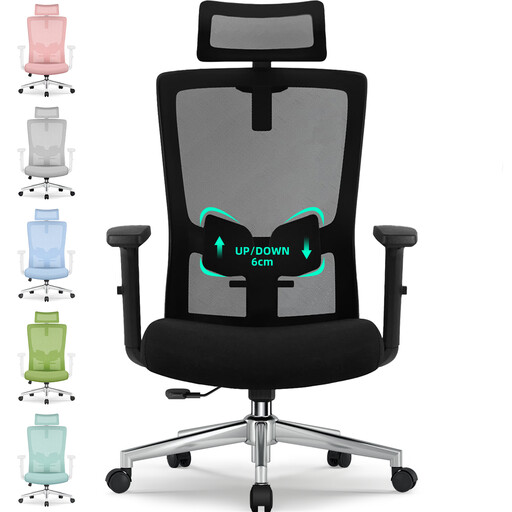
Why it stands out?: This GTIMEX chair represents an excellent balance between ergonomic features and an accessible price. It includes essential adjustments, such as a lumbar support adjustable by 6 cm in height and a recline of up to 135°. Its memory foam seat and mesh back make it a comfortable and highly versatile option.
Key Features?:
Who is it for?? Ideal for remote work and regular office use. It's aimed at those looking for a reliable ergonomic chair with key adjustments, without aiming for the absolute top-tier. Perfect for users between 1.55m and 1.85m (5'1" to 6'1").
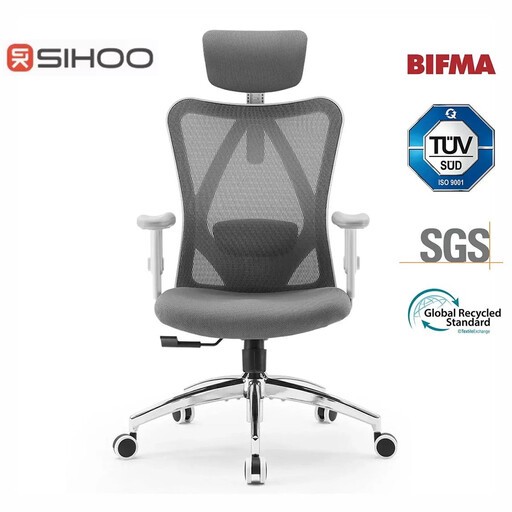
Why it stands out?: The SIHOO office chair M18 is a time-tested classic that has proven its worth. It offers five essential adjustment points: back support, headrest, seat height, tilt, and armrests. Its W-shaped padded seat is designed to reduce pressure on the thighs, while the mesh back ensures excellent ventilation.
Key Features?:
Who is it for?? An excellent, highly versatile choice for both the office and home. It's perfect for those looking for a sturdy, fully adjustable, and certified chair that offers optimal comfort for daily use.
Our selection highlights models with varied profiles, but choosing a chair is ultimately a personal matter. To compare other models or refine your search based on your own criteria, feel free to explore our full catalogue.
? Explore our entire collection of ergonomic office chairs with lumbar support and find the perfect model for you.
1. How do I properly adjust my ergonomic office chair?? To get the optimal setup, start by sitting all the way back in the seat. Adjust the height so your feet are flat on the floor and your knees are bent at a 90° angle. Adjust the lumbar support to match the curve of your back. Finally, position the armrests so your forearms rest on them naturally, with your shoulders relaxed.
2. What is the lifespan of an ergonomic office chair?? It all depends on the quality of the materials, frequency of use, and maintenance. An entry-level model might last 2-3 years, while a quality, BIFMA-certified chair can easily last for 5-10 years, or even longer.
3. Is a mesh back really recommended for your back?? Yes, it's often an excellent option. Mesh provides support that is both firm and evenly distributed, while also being very breathable. This is a significant advantage for those who tend to get warm. However, comfort is a matter of personal preference: some people will always prefer the softer feel of a padded backrest.