
Livraison le jour même ou le lendemain

Qualité garantie

Débloquez vos offres de bienvenue: Livraison GRATUITE | Jusqu'à -80 % | 30 jours d'essai gratuits à JoyPlus
Téléchargez l'application
Whether you're working from home, in the office, or cramming for exams, spending hours in a chair always takes its toll. The result?: poor posture and a host of aches in your back, neck, and shoulders. An ergonomic office chair isn't a luxury; it's a true investment in your well-being and productivity.
With a dizzying array of options on the market, it's easy to feel lost. This guide gives you everything you need to cut through the noise and choose the model that's right for you, without drowning in marketing jargon.
Before diving into our top picks, let's review the essential criteria for making the right choice.
A good ergonomic chair must conform to the natural curve of your spine. The ideal solution?? A model with lumbar support that's adjustable in height and, if possible, in depth. This feature allows you to precisely tailor the support to your body, reducing pressure on your lower back and maintaining a healthy posture throughout the day. Another point to consider?: a mesh back provides better ventilation, a real bonus during long work sessions.
A comfortable office chair should adapt to you, not the other way around.
The seat is your main point of contact with the chair. If it's too hard or poorly designed, it can quickly cause pain. Opt for a wide seat with high-density foam that won't sag after a few months. The upholstery also matters?: mesh is breathable and flexible, while fabric or leatherette can offer a more premium look. Finally, don't overlook the base?: a sturdy base (metal or reinforced nylon) and safety certifications are guarantees of stability and longevity.
Our editors have reviewed several models to bring you a selection that meets different needs and budgets.
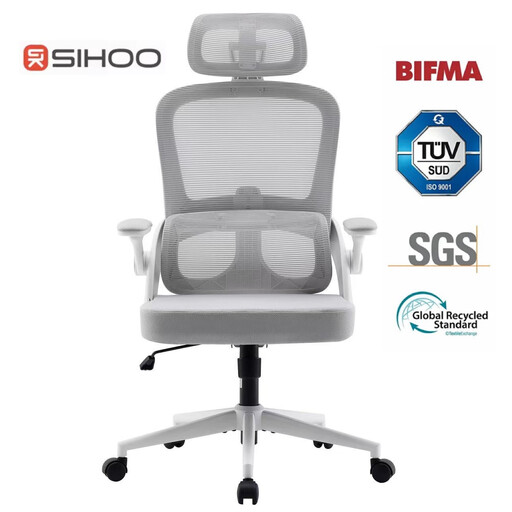
Why It Stands Out The SIHOO M102C stands out from the crowd with its highly advanced customisation options. It allows for fine-tuned adjustments on nearly every component, from the headrest to the lumbar support and its 3D armrests. Its all-mesh design and white frame give it a modern touch, perfect for a designer office chair environment.
Pros
Who Is It For?? This model is for those who spend very long hours at their desk and demand maximum adjustability to find the perfect position. It's also suitable for taller or larger users thanks to its robust build and generous seat.
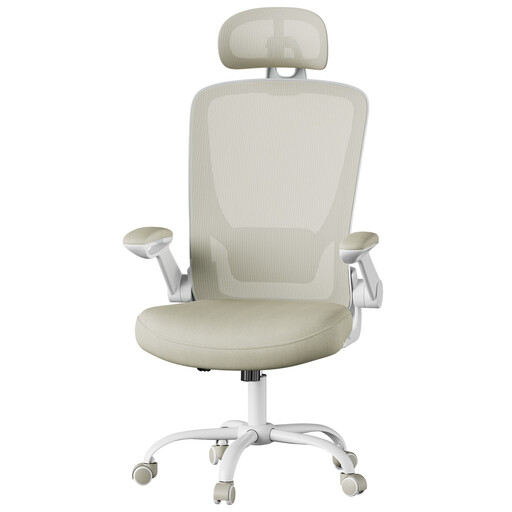
Why It Stands Out This Ochama chair successfully combines thoughtful ergonomics with a soft, elegant aesthetic. Its S-shaped backrest follows the curve of the spine, while its 8?cm thick seat promises excellent long-term comfort. It's a perfect work-from-home chair that won't look out of place in a bedroom or living room.
Pros
Who Is It For?? Ideal for those seeking a comfortable office chair with a polished design for their home workspace. Its ease of use and essential adjustments make it a very smart choice for daily, even intensive, use.
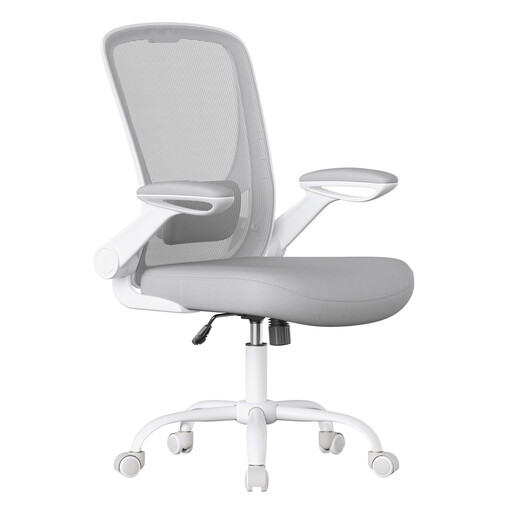
Why It Stands Out The Ochama grey model is a pragmatic option that gets straight to the point. It packs essential ergonomics into a compact and lightweight frame. Its curved backrest and adjustable lumbar support ensure good posture, while its flip-up armrests make it a champion of space optimisation.
Pros
Who Is It For?? Perfect for students, small offices, or anyone looking for an effective ergonomic solution without being overwhelmed by complex settings. It's an excellent entry point into the world of ergonomic chairs.
Our selection highlights three excellent choices, but tastes and needs are unique. If you want to explore other models, finishes, or features, feel free to browse our complete collection.
? Explore Our Full Range of Mesh Swivel Chairs
1. What's the difference between a standard office chair and an ergonomic chair?? The main difference lies in the adjustment capabilities. An ergonomic chair is designed to adapt to your body through multiple adjustments (seat height, lumbar support, armrests, headrest, recline). A standard chair, on the other hand, offers far more limited settings, which can encourage poor posture over the long term.
2. Can an ergonomic chair really relieve back pain?? Yes, to an extent. An ergonomic chair is designed to promote a healthy posture and reduce stress on the spine, shoulders, and neck. By providing tailored support, especially for the lumbar region, it helps lessen the discomfort of long days spent sitting. However, it is no substitute for medical advice for chronic pain.
3. How long does it take to get used to a new ergonomic chair?? Expect a short adjustment period, often from a few days to a week. If your old chair was poorly suited for you, your body will need time to readjust to a correct posture. Take the time to experiment with the different settings to find the configuration that works best for you.