
Livraison le jour même ou le lendemain

Qualité garantie

Débloquez vos offres de bienvenue: Livraison GRATUITE | Jusqu'à -80 % | 30 jours d'essai gratuits à JoyPlus
Téléchargez l'application
By the Joybuy Product Experts
Whether you work from home or in the office, long hours spent sitting can quickly turn a productive day into an ordeal. Poor posture is the first step toward chronic back and neck pain. To combat this widespread issue, choosing an ergonomic office chair is no longer a luxury, but a crucial investment in your daily health and comfort.
In this guide, we break down the essential criteria for making the right choice, cutting through the marketing hype.
Before diving into our top picks, let's review the features that truly make a difference. A great ergonomic chair is, above all, one that checks the following boxes.
This is arguably the number one criterion for preventing back pain. Good lumbar support must perfectly conform to the natural curve of your lower back, gently encouraging you to maintain a healthy posture. There are two main technologies:
A comfortable office chair is one that adapts to your body, not the other way around. This is where adjustment options come into play. Here are the most important ones:
The upholstery has a direct impact on your comfort, especially after several hours. The mesh office chair is often a solid choice. Its greatest strength? Breathability. Say goodbye to a sweaty back in the middle of summer or in a poorly ventilated room. However, pay attention to the quality of the mesh: it must be sufficiently taut and durable to avoid sagging over time.
Keeping these criteria in mind, we've reviewed dozens of models. Here is a selection that meets different needs and budgets, without ever sacrificing the essentials.
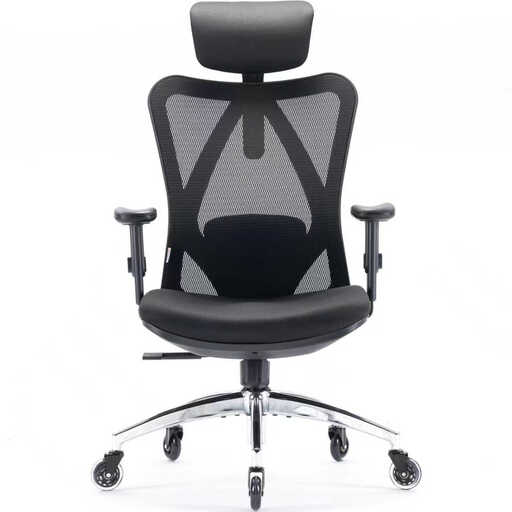
Why this model stands out
The Sihoo office chair M18 is the ideal entry point into the world of ergonomics. It incorporates the five fundamental adjustments (back support, headrest, seat height, tilt, and armrests) for a personalized experience. Its high-quality mesh back ensures continuous ventilation, while its W-shaped seat is designed to reduce pressure on the legs.
Key features
Who is it for?
This is the perfect model for those who work from home or for a first real investment. It offers a complete and reliable ergonomic solution without the premium price tag of more advanced features.
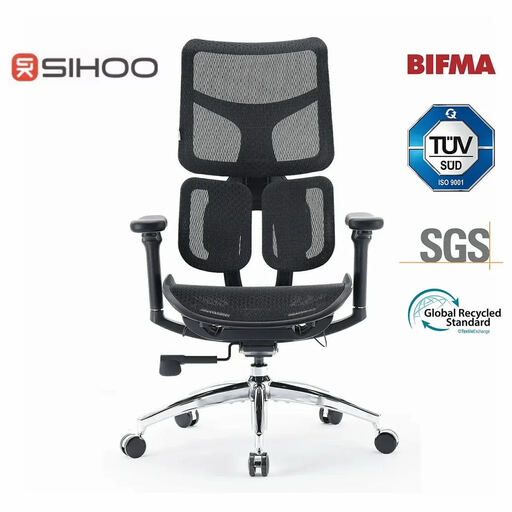
Why this model stands out
The Sihoo Doro S100 stands out with its dual dynamic lumbar support. Equipped with four springs, it automatically adjusts to follow your back's movements, offering continuous and targeted support. This technology is complemented by 4D armrests that synchronise with the backrest's recline, maintaining perfect body alignment.
Key features
Who is it for?
This ergonomic office chair is the ultimate solution for those who spend very long days sitting and for whom back health is non-negotiable. Its dynamic support system is a major asset for people who move around a lot in their chair.
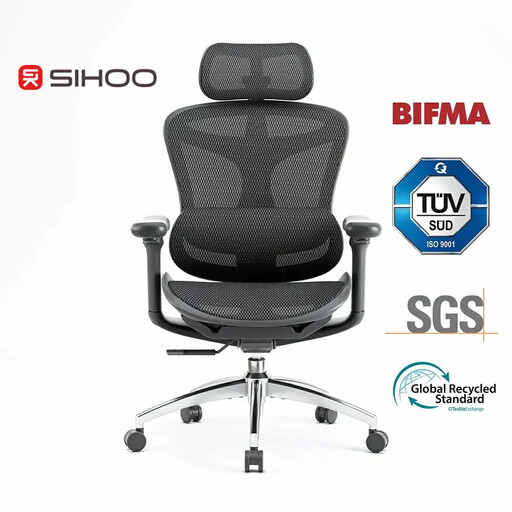
Why this model stands out
The Doro C300 takes things to the next level with a near-automated approach to ergonomics. Its smart mechanism detects the user's weight to automatically adjust the tilting force. The self-adaptive lumbar support and flexible backrest follow the body's movements in real time. The materials comply with European standards (REACH, EN1335), and its quality is validated by a T?V certification.
Key features
Who is it for?
It targets demanding users—professionals, creatives, or gamers—who want a premium seating experience where the chair adapts to them intuitively, without needing to constantly fiddle with the settings.
Looking for a different style or a more classic aesthetic? Discover our complete collection of black ergonomic office chairs.
A standard chair offers basic seating, often with few or no adjustments. In contrast, an ergonomic office chair is designed to support the body in a healthy posture. It features multiple adjustments (height, lumbar support, armrests, tilt) to adapt to the user's body shape, reduce pressure points, and prevent musculoskeletal disorders.
The lifespan of an ergonomic chair depends on the quality of its materials and its usage. An entry-level model might last 2 to 5 years, while a high-quality chair with a metal frame and certified components (like Class 4 gas lifts) can easily last 7 to 10 years or more. A warranty of 3 years or longer is often a good indicator of the manufacturer's confidence in their product's durability.
For an optimal setup, follow these 5 key steps: