
Livraison le jour même ou le lendemain

Qualité garantie

Débloquez vos offres de bienvenue: Livraison GRATUITE | Jusqu'à -80 % | 30 jours d'essai gratuits à JoyPlus
Téléchargez l'application
The rise of remote work and the long hours spent in front of our screens have confirmed a painful truth: a bad chair is the perfect recipe for back pain and plummeting productivity. Choosing an ergonomic office chair is no longer a luxury, but a necessity for protecting your health. The problem is, the market is flooded with marketing promises and jargon that confuse more than they help. Before you invest, it's crucial to know how to decode the sales pitches to avoid unpleasant surprises.
Purchasing an office chair can quickly become a headache. Here are the common mistakes that are costly in both comfort and cash.
To make the right decision, focus on the technical features that truly make a difference day-to-day.
A good office chair with lumbar support is the cornerstone of comfort. Steer clear of simple, fixed bumps in the backrest. True lumbar support must be adjustable in height and depth.
This feature helps maintain the natural curve of your spine and prevents slouching after several hours of work.
An ergonomic office chair must adapt to you, not the other way around. Check for the following adjustments:
The upholstery has a direct impact on comfort and durability.
Every user has specific needs. Here are options that cater to different profiles, all meeting our criteria for functionality and quality.
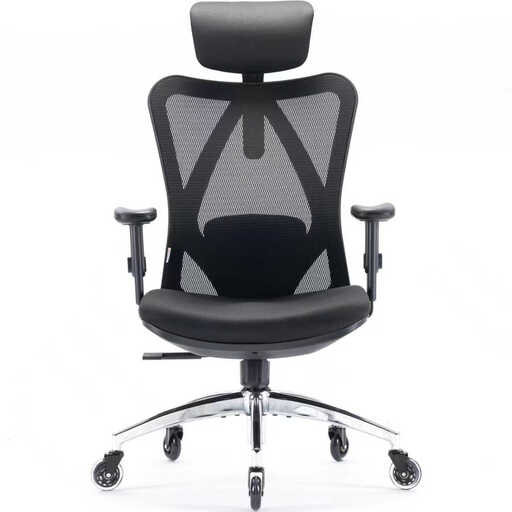
Why we recommend it: This is the model designed for those who spend 8+ hour days in front of their screen. It checks all the boxes for the demanding remote worker: comprehensive support and maximum adaptability.
Where many models settle for the bare minimum, the Sihoo M18 offers 5 precise adjustment zones, including lumbar support, a headrest, and adjustable armrests. Goodbye to the "phantom adjustments" trap!
Its breathable mesh back is a godsend in the summer, and its W-shaped seat perfectly distributes pressure on the thighs.
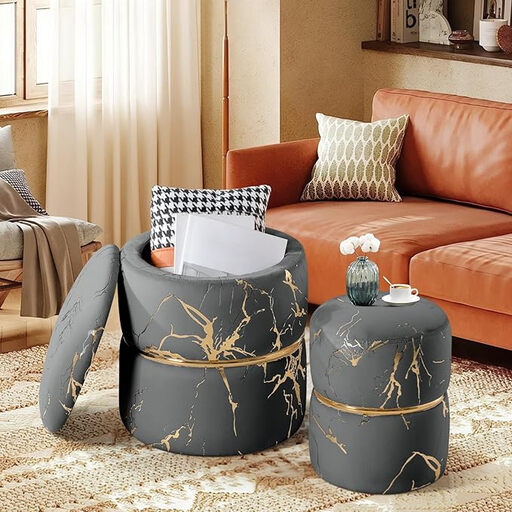
Why we recommend it: Perfect for studios or home office nooks where every square inch counts. It juggles multiple roles: footrest, occasional seat for a guest, or discreet storage chest.
This product is smart: it doesn't pretend to be something it's not. It embraces its role as a versatile accessory, not a substitute for a proper work chair. This honesty avoids the deceptive aesthetics trap.
Dual-function seating/storage; stackable design for optimal space-saving.
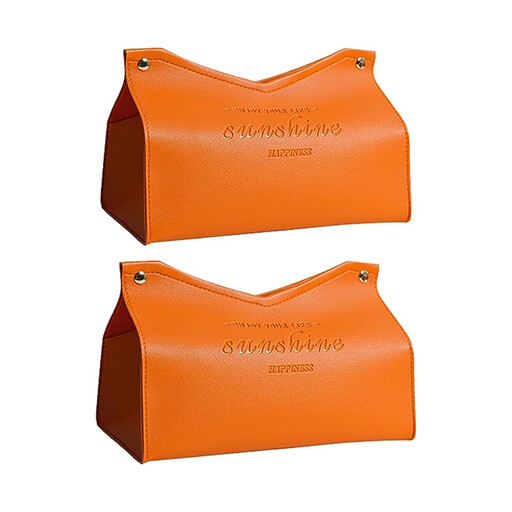
Why we recommend it: Because comfort also comes from a clear mind. For those who can only focus at a pristine desk, this accessory is the finishing touch that combines function and style.
Clutter is a silent enemy of productivity, just like poor posture. This simple yet effective accessory helps keep a desk tidy and limits visual distractions.
V-shape design for easy dispensing; its bright colour adds a pop of energy to the workspace.
Your comfort isn't just about the chair. Customising your environment with textiles and colours can transform your mood and productivity. If you're looking for ideas to energise your space, well-chosen accessories can make all the difference.
We've compiled a selection of products that meet our quality criteria and current safety standards.
What is the lifespan of a good ergonomic office chair? A quality chair with a metal frame and certified materials (like BIFMA) can last between seven and ten years with normal use. Its longevity will, of course, depend on the quality of the mesh or foam, as well as the robustness of the mechanism.
How do I properly adjust my office chair to prevent back pain? Start with the height: your feet should be flat on the floor and your knees at a 90?° angle. Next, adjust the seat depth to leave a three-finger gap behind your knees. Position the lumbar support in the small of your back. Finally, set the armrests so your forearms rest on them naturally without shrugging your shoulders.
Is an ergonomic chair a worthwhile investment? Absolutely. The initial cost may seem high, but view it as a direct investment in your health and productivity. Preventing chronic pain and musculoskeletal disorders (MSDs) means saving on future medical bills and time off work. The math is simple: it's a more than profitable investment in the long run.