
Livraison le jour même ou le lendemain

Qualité garantie

Débloquez vos offres de bienvenue: Livraison GRATUITE | Jusqu'à -80 % | 30 jours d'essai gratuits à JoyPlus
Téléchargez l'application
Whether for remote work, studying, or gaming, spending hours glued to your desk can quickly become a nightmare. Poor posture is a recipe for back pain and lost productivity. The market is flooded with office chairs, but how do you sift through the options to find a model that's genuinely beneficial and not one that will just make things worse?
Before you pull out your credit card, it's crucial to avoid the most common marketing traps. Many manufacturers don't hesitate to slap an "ergonomic" label on products with purely token adjustments. Here are the key red flags to watch for to make an informed decision.
Investing in an ergonomic office chair is a key decision for your well-being. Unfortunately, it's easy to be misled by marketing claims that hide deal-breaking flaws.
To make the right choice, focus on the technical features that truly matter for your comfort and health.
A good ergonomic office chair must allow you to adjust these three key points:
The ability to tilt the backrest is essential for varying your posture throughout the day. A quality reclining office chair often features a "synchronous" mechanism, where the backrest and seat tilt in sync for constant support.
Also, be sure to check for certifications like BIFMA or SGS. These labels guarantee that the components (especially the gas lift) have been tested for strength and reliability, ensuring they can handle significant weight without failing.
To help you navigate the options, here are a few models that perfectly illustrate these criteria and cater to different profiles.
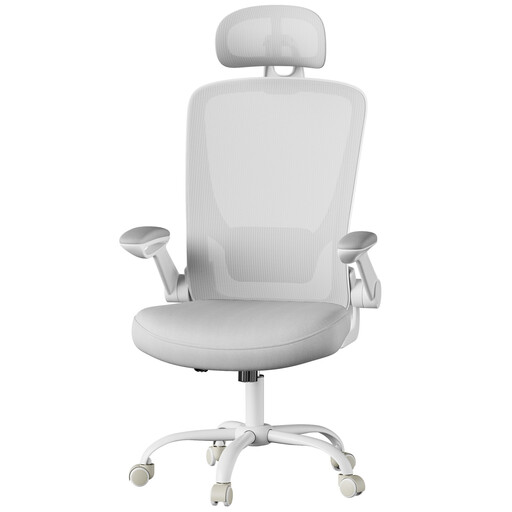
Why it's a great fit: Ideal for those setting up their first home office and looking for the perfect balance between essential features and an affordable price. This model checks all the boxes for comfortable workdays without breaking the bank.
This chair includes real adjustable lumbar support and a headrest, allowing it to avoid the gimmicky support trap. Its flip-up armrests offer a level of flexibility that's rare at this price point.
Its thick foam seat promises long-lasting comfort, while its breathable mesh back keeps you cool. A practical bonus: the flip-up armrests let you slide the chair under the desk to save space.
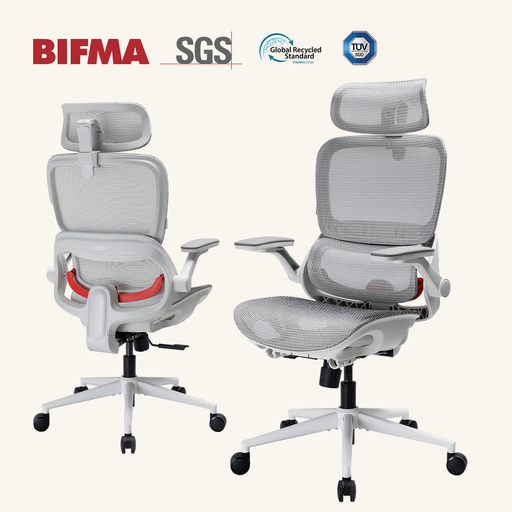
Why it's a great fit: Designed for professionals or enthusiasts who put in 8+ hour days. This chair goes all-in on advanced adjustments and dynamic support for optimal comfort, even over the long haul.
It goes beyond simple adjustment by integrating adaptive lumbar support that follows your body's movements. This helps avoid the trap of static support, which is often ineffective.
Its dynamic lumbar support and large headrest provide tailored support. The 360° rotating and flip-up armrests offer maximum versatility for organizing your workspace.
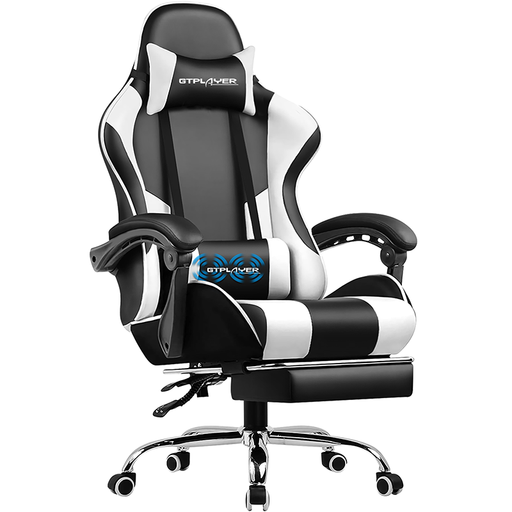
Why it's a great fit: This gaming chair is built for those who alternate between intense gaming sessions and relaxation breaks. It combines a bold design with 100% comfort-focused features, like an integrated footrest and massage function.
Beyond its racing-style look, this model includes a massaging lumbar cushion and a headrest for targeted support. Its sturdy metal frame helps it avoid the trap of low-quality materials.
The retractable footrest and 135° recline are perfect for switching into relaxation mode. The massaging lumbar cushion is a huge bonus for relieving tension after a long session.
We've compiled a full selection of chairs that meet our selection criteria and current safety standards.
It all depends on the quality of the materials and how it's used. An entry-level model will show signs of wear after 2 or 3 years. In contrast, a chair with a steel frame, high-density foam, and a BIFMA certified gas lift can easily last 7 to 10 years, or even longer, if well-maintained.
Yes, it's non-negotiable for preventing back pain. Good lumbar support helps maintain the natural "S" curve of your spine, which reduces pressure on your intervertebral discs and muscle fatigue during long periods of sitting. The ideal is a height-adjustable support, so you can position it right in the small of your back.
The choice depends on your preferences and work environment: