
Livraison le jour même ou le lendemain

Qualité garantie

Débloquez vos offres de bienvenue: Livraison GRATUITE | Jusqu'à -80 % | 30 jours d'essai gratuits à JoyPlus
Téléchargez l'application
Whether you're working from home or in the office, spending hours in front of a screen is now a part of our daily lives. While a good computer is essential, your choice of chair is just as crucial. The wrong chair can quickly lead to back pain, chronic fatigue, and a slump in productivity. The problem: the ergonomic office chair market is a jungle of marketing promises that's difficult to navigate.
As a Product Expert at Joybuy, my mission is to help you cut through the noise. Let's forget the technical jargon and focus on what really matters. Here are the pitfalls to avoid and the objective criteria for choosing an office chair that will be a perfect fit for you.
The term "ergonomic" is overused today. Many entry-level products claim this label without offering the essential adjustments that define it.
To make an informed choice, focus on the technical features that truly make a difference in comfort and longevity.
A good comfortable office chair should adapt to you, not the other way around. Make sure you find the following adjustments:
The choice of materials has a direct impact on the comfort and lifespan of your chair.
Rather than an endless list, here are our targeted recommendations for different user profiles.
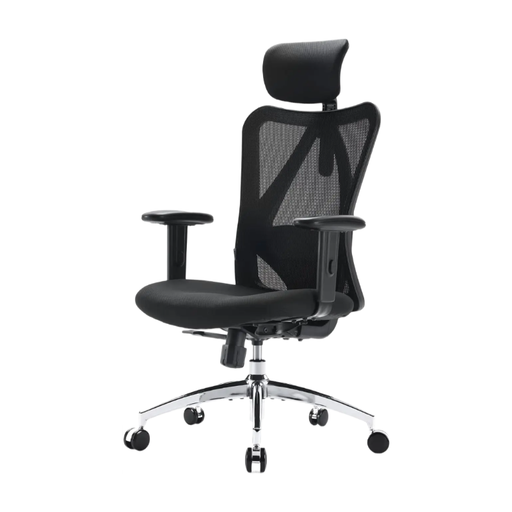
Why we chose it: This is the unbeatable value-for-money option for those who spend long hours at their desk and need essential ergonomic adjustments without breaking the bank. Perfect for daily use, at home or in the office.
Unlike entry-level models, the Sihoo M18 chair includes an adjustable lumbar support and headrest, allowing it to adapt precisely to your body and avoid the "one-size-fits-all" support trap.
Its breathable mesh back and W-shaped seat, padded with high-density foam, ensure long-lasting comfort, even during extended workdays. The BIFMA certification attests to its robustness.
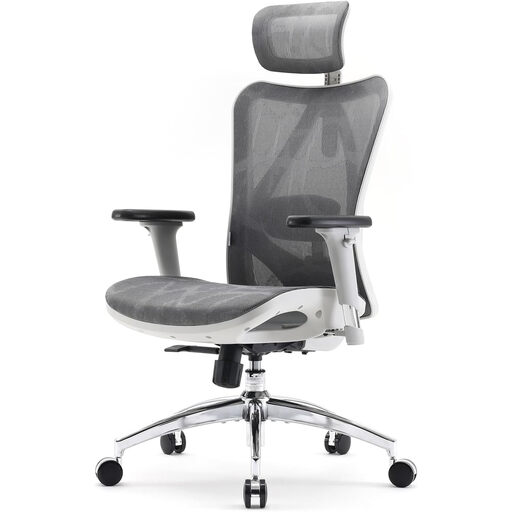
Why we chose it: For professionals who spend more than 8 hours a day seated, every detail counts. This model takes things a step further with advanced adjustments for tailored support and rock-solid durability.
It goes beyond basic settings with 3D armrests (height, depth, rotation) and a finely tunable lumbar support. This is a level of customisation that "pseudo-ergonomic" chairs simply can't offer.
The combination of high-elasticity polyester mesh, a sturdy steel frame, and multiple adjustment points makes it a true long-term investment in your back health. Its design is built for intensive use.
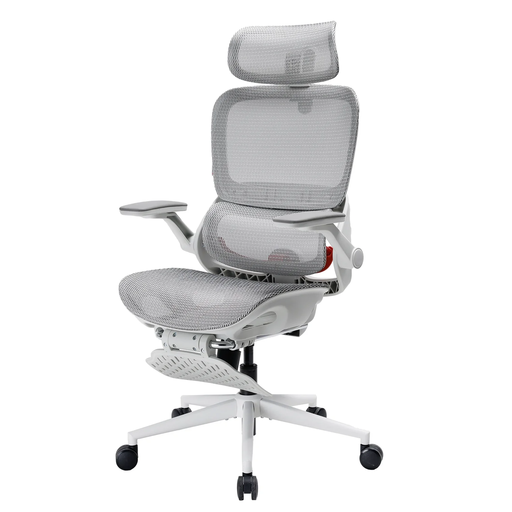
Why we chose it: Ideal for those whose workspace doubles as a relaxation spot. It combines the strengths of a high-performance office chair with the comfort of a recliner for taking breaks.
It doesn't sacrifice ergonomics for comfort. It retains an adaptive lumbar support and flip-up armrests while adding a deep recline and a footrest. A truly well-designed 2-in-1 product.
The retractable footrest is its star feature. It allows you to switch from an active work posture to a relaxed position in seconds, offering a versatility that is rare in this segment.
We have compiled a complete selection of chairs that meet our quality criteria and current safety standards.
1. What is the lifespan of an ergonomic office chair? The longevity depends on the quality of the materials and the intensity of use. An entry-level model may show signs of wear (sagging foam, creaking) after only 1 to 2 years. Conversely, a well-made ergonomic chair with a metal frame and high-density foam can easily last between 5 and 10 years with minimal maintenance.
2. How do I properly adjust my ergonomic chair? Start with the seat height: your feet should be flat on the floor and your knees at a 90° angle. Next, adjust the seat depth to leave a space of two to three fingers between the edge of the seat and the back of your knees. Set the lumbar support to match the natural curve of your back. Finally, adjust the armrests so your forearms can rest on them with your shoulders completely relaxed.
3. Is a mesh chair really more comfortable? Comfort is subjective, but mesh has objective advantages. Its primary quality is breathability, which prevents heat and sweat build-up during prolonged use. Good quality mesh also offers flexible support that adapts to your movements. However, some people will always prefer the softer feel of a fabric or leather seat. The final choice depends on your sensitivity to heat and your personal preferences.