
Livraison le jour même ou le lendemain

Qualité garantie

Débloquez vos offres de bienvenue: Livraison GRATUITE | Jusqu'à -80 % | 30 jours d'essai gratuits à JoyPlus
Téléchargez l'application
Spending hours in front of a screen shouldn't have to mean back pain or fatigue. Yet, for many, it's a daily reality caused by poor seating. The market is flooded with office chairs, but how can you sort through the marketing promises to find a model that's genuinely good for your health?
As a Product Expert at Joybuy, my mission is to help you see things more clearly. Let's cut through the technical jargon and questionable sales pitches to focus on what's essential. Here are the pitfalls to avoid and the decisive criteria for choosing the ergonomic office chair that will truly change your daily life.
With an overwhelming number of options, it's hard to know where to start. Many models promise absolute comfort, but certain deal-breaking flaws only become apparent after several weeks of use.
To make the right choice, focus on the technical features that make all the difference. These objective points are your guarantee of a lasting investment in a comfortable office chair built to last.
A good ergonomic office chair should adapt to your body, not the other way around. Make sure it includes these three fundamental adjustments:
The choice of upholstery and frame directly impacts the comfort and longevity of your chair.
A label like BIFMA is a good benchmark. This certification, from an association of manufacturers, validates the safety, durability, and performance of office seating. It's a mark of a serious product. Also, remember to check the maximum weight capacity to ensure the chair is suitable for your body type.
To move from theory to practice, here are three models that meet different needs and budgets.
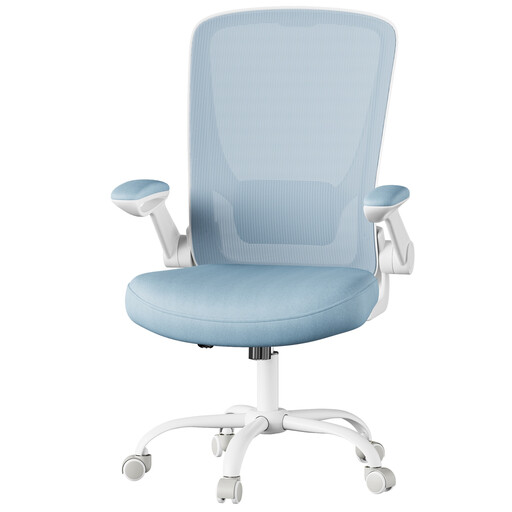
Why we love it: Perfect as a first chair or for moderate remote work. It covers the ergonomic essentials without breaking the bank. Its flip-up armrests are a real bonus for optimising small spaces.
It gets straight to the point with essential adjustments (lumbar support, height) without unnecessary gadgets, offering excellent value for money.
Its flip-up armrests for maximum space-saving and its thick seat that ensures good comfort.
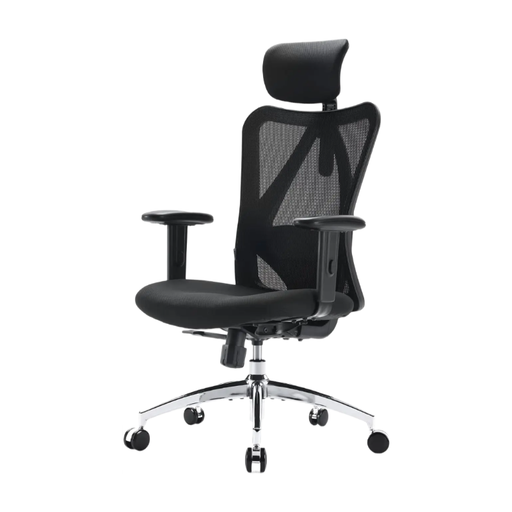
Why we love it: Built for long sessions, its multiple adjustments (headrest, lumbar, armrests, tilt) allow for a custom fit to keep you comfortable and focused all day long.
No superficial ergonomics here. Every adjustment serves a real purpose and adapts to your body. Its design is also validated by the BIFMA standard.
Its five adjustment points and breathable mesh back for optimal comfort, even in the middle of summer.
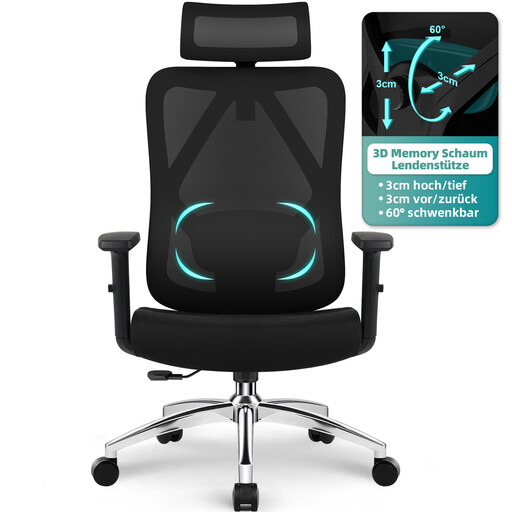
Why we love it: The top choice for those looking for a true office chair for back pain. Its 3D memory foam lumbar support adjusts in height and depth for dynamic, personalised support.
It goes beyond simple fixed lumbar support with an adaptive system that follows the curve of your back, actively preventing fatigue and tension.
Its 3D memory foam lumbar support and rock-solid durability (max load of 200 kg).
Discover our full selection of chairs that meet our quality and safety standards.
A good adjustment is simple and quick:
It all depends on the quality and usage. An entry-level model will show its limits (flattened foam, stretched mesh) after a year or two. A well-built mid-range or high-end chair can easily last you 5 to 10 years, or even longer.
It's an excellent idea, especially if you spend long hours at your desk. The number one benefit of mesh is its breathability: no more sweaty back in the summer! It also offers flexible support that adapts to your body shape. The only condition: choose a quality, high-tension mesh so that it maintains its support over time.