
Livraison le jour même ou le lendemain

Qualité garantie

Débloquez vos offres de bienvenue: Livraison GRATUITE | Jusqu'à -80 % | 30 jours d'essai gratuits à JoyPlus
Téléchargez l'application
Remote work, studying, gaming… we spend hours glued to our desks. The result? Nagging back pain and constant discomfort. Far from being a luxury, an ergonomic office chair is a true investment in your health. The problem is, the market is flooded with models making vague marketing promises. To make the right choice and avoid buyer's remorse, here's how to avoid the most common pitfalls.
An eye-catching design or an attractive price can hide nasty surprises. Here are the two classic mistakes that prove costly in the long run.
The Illusion of Non-Adjustable "Ergonomic Design": Beware of chairs that claim to be "ergonomic" just because of their curved shape. True ergonomics is all about adaptability. A fixed backrest or a lumbar support that is merely a bulge in the foam will never perfectly fit your body shape. The result? Support that is ineffective at best, and counterproductive at worst.
The Weakness of Hidden Materials: A chair may look sturdy on the surface, but its durability depends on what's hidden. Low-density seat foam that sags in a few months, low-quality mesh upholstery that stretches out, a gas lift that no longer holds its height… and your smart investment quickly becomes an expense you have to repeat.
To ensure you don't make a mistake, focus on the technical features that truly make a difference. Here are the non-negotiable points to check before you check out.
A good office chair with lumbar support is more than just a bump in the backrest. The key is adjustability. Demand a system that allows you to adjust the height and, ideally, the depth of the support so it perfectly matches the curve of your lower back. The most advanced models offer dynamic support that adapts to your movements, ensuring constant support whether you're leaning forward or slouching back.
An adjustable office chair is the cornerstone of ergonomics. The essential adjustments are:
The quality of the materials is the best indicator of your chair's lifespan.
Because every user is unique, we have selected three models that meet specific needs, strictly applying the quality and adjustment criteria we've just covered.
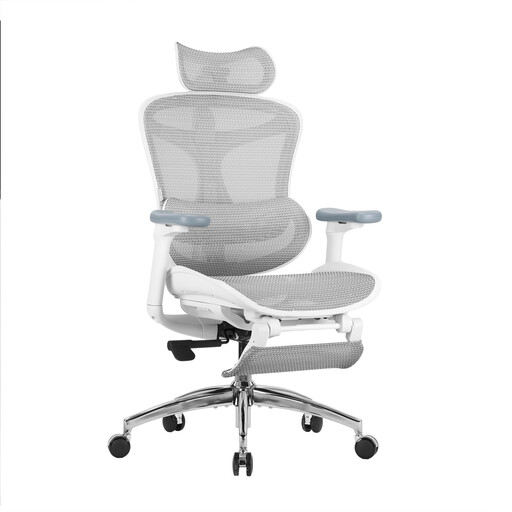
Key Features : Perfect for long-haul remote workers (+8h/day), this chair focuses on dynamic lumbar support and advanced customisation.
It goes beyond the simple "ergonomic" label with dynamic lumbar support that adapts to your posture in real-time, avoiding the trap of a fixed, poorly adjusted support.
Its 3D armrests and fully adjustable backrest ensure a perfect posture, whether you're focused on a spreadsheet or in a video conference.
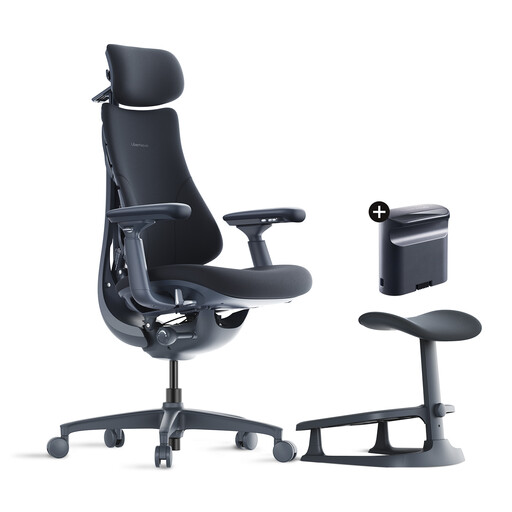
Key Features : The perfect choice for those whose desk is used for both work and leisure. It combines serious ergonomic support with relaxation features, making it an excellent ergonomic home office chair that knows how to adapt for breaks.
Beyond its looks, it packs real features like adaptive lumbar support and a wide recline range. Here, comfort isn't just a marketing promise.
Its 160° recline combined with the integrated footrest transforms it into a true relaxation chair for a power nap or a Netflix session.
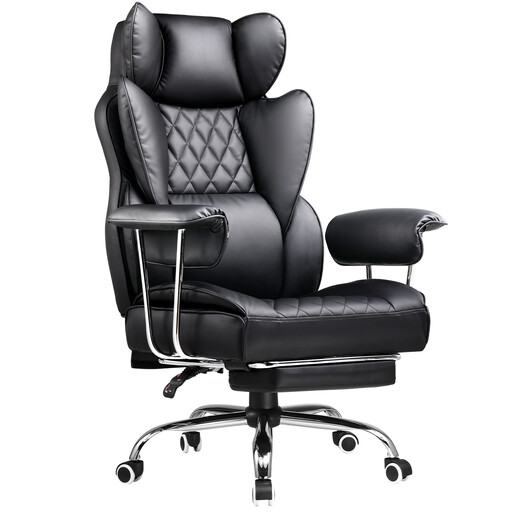
Key Features : Built for long gaming sessions, this chair combines a bold look with real ergonomic functions. It's the ideal compromise between a gaming and office chair.
It doesn't just settle for a flashy bucket-seat design. It incorporates functional elements like removable lumbar support and headrest, and its sturdy frame avoids the pitfall of low-quality materials.
Its near-flat recline function and footrest allow you to switch to absolute relaxation mode between matches or for watching a stream.
We've put together a complete selection of models that meet our quality criteria and adjustment requirements.
A good adjustment is key. Proceed step-by-step: start with the seat height (feet flat on the floor, knees at 90°). Then, adjust the lumbar support to fit the small of your back. Finish with the armrests: your forearms should rest on them naturally, without shrugging your shoulders.
It all depends on the quality and usage. An entry-level model will show its limitations after 1 to 2 years. Conversely, a well-designed chair (metal base, high-density foam, quality mechanism) can easily last you 5 to 10 years, or even longer.
Absolutely. More and more gaming and office chair models are incorporating highly advanced ergonomic adjustments. They often offer excellent support, a wide recline range, and 4D armrests. Vigilance is still key: always favour models that highlight the quality of their adjustments (lumbar, armrests) rather than just their aggressive aesthetics.