
Livraison le jour même ou le lendemain

Qualité garantie

Débloquez vos offres de bienvenue: Livraison GRATUITE | Jusqu'à -80 % | 30 jours d'essai gratuits à JoyPlus
Téléchargez l'application
Spending eight hours a day in an unsuitable chair? It's an experience far too many of us are familiar with. Lower back pain, neck strain, increased fatigue... a bad office chair can quickly turn a workday into an ordeal. The market is flooded with models making tempting promises, but how can you tell a wise investment from a purchase you'll regret in six months?
As the Head of Product Curation at Joybuy, my mission is to help you navigate the options. Let's forget the marketing jargon and focus on what's essential. Here are the most common pitfalls to avoid and the criteria that truly matter when choosing the ergonomic office chair that will support you for years to come.
Before even diving into spec sheets, it's crucial to identify the common mistakes that lead straight to disappointment.
To make an informed choice, focus on these three pillars that define a truly ergonomic office chair.
A good office chair must conform to the natural curve of your spine. A simple fixed bulge in the backrest is insufficient, as every body is different.
Poorly positioned armrests force you to shrug your shoulders, creating tension in your neck and upper back.
The upholstery has a direct impact on comfort, but also on durability.
Rather than an endless list, here are a few models that cater to distinct user profiles, based on the objective criteria we've just defined.
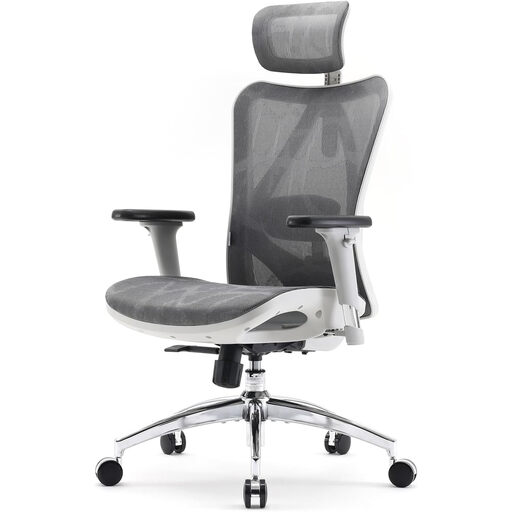
Why this model? For those who spend more than seven hours a day at their desk, precise adjustments are paramount. This model perfectly meets that need with comprehensive adjustments for tailored support throughout the day.
It doesn't rely on gimmicky adjustments. It focuses on the essentials with adjustable lumbar support and 3D armrests, thus avoiding the trap of superfluous features at the expense of fundamental support.
The breathable polyester mesh backrest and 3D armrests provide lasting comfort. The BIFMA certification and three-year warranty are testaments to its durability.
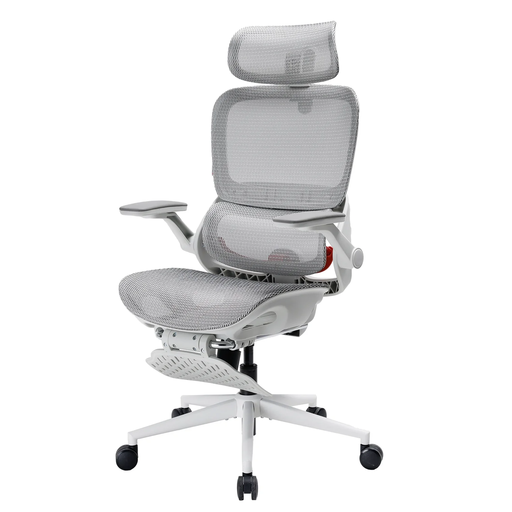
Why this model? Perfect for those who switch between focused work sessions and moments of relaxation (gaming, reading, watching videos). The combination of good support and relaxation features makes it exceptionally versatile.
Unlike "gamer" chairs that focus solely on aesthetics, this model incorporates adaptive lumbar support and flip-up armrests, combining the ergonomics of a work chair with the comfort of a recliner.
The integrated footrest and wide recline are perfect for unwinding. The flip-up armrests allow the chair to slide easily under the desk to save space.
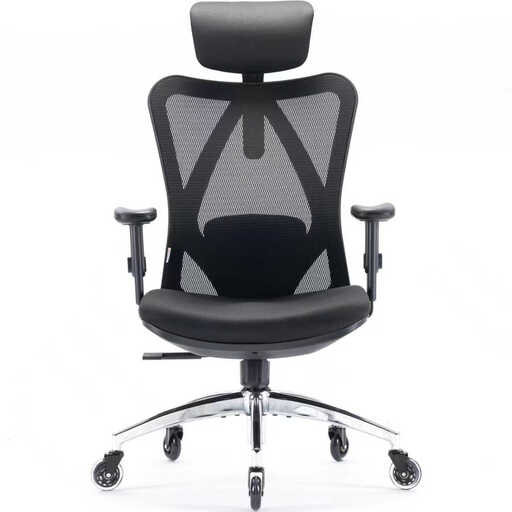
Why this model? It's an excellent entry point into the world of ergonomics. It offers the fundamental adjustments for a healthy posture without breaking the bank, making it a smart choice for a first quality setup.
It avoids the "all-or-nothing" trap. Rather than piling on low-end features, it focuses on the essentials: a breathable mesh backrest, an adjustable headrest, and adjustable lumbar support, all with BIFMA certification.
Its value for money is its main strength. It makes essential ergonomic features accessible, with a three-year warranty that attests to its reliability.
We have compiled a comprehensive, up-to-date list of products that meet these strict selection criteria and current safety standards.
The longevity of an ergonomic chair depends on the quality of its components and its usage. An entry-level model might last two to three years, while a high-quality, BIFMA-certified office chair can easily last more than five to seven years. The warranty offered by the manufacturer is a good indicator: a warranty of three years or more, as seen on Sihoo models, suggests a design built to last.
A good setup is personal, but here are the basics to get you started:
Yes, provided it's a quality mesh. Contrary to common misconceptions, a well-tensioned, high-quality mesh offers very firm support and distributes weight evenly, preventing pressure points. Its main advantage remains its breathability, which prevents discomfort from heat during prolonged use. This is what makes it a very smart choice for an everyday office chair.