
Livraison le jour même ou le lendemain

Qualité garantie

Débloquez vos offres de bienvenue: Livraison GRATUITE | Jusqu'à -80 % | 30 jours d'essai gratuits à JoyPlus
Téléchargez l'application
Remote work, studying, gaming… we spend hours glued to our screens, and our backs are paying the price. An ergonomic office chair is no longer a luxury, but an essential investment in your health and well-being. Yet, the market is a jungle of marketing promises where it's easy to get lost. To avoid falling into the trap, here are the pitfalls to watch out for.
This guide breaks down the criteria that truly matter so you can make an informed choice.
To make your office synonymous with comfort and productivity, focus on the technical features that make all the difference.
Good lumbar support is the pillar of good posture. It must follow the natural curve of your lower back to reduce pressure on your vertebrae.
Adaptability is the soul of ergonomics. A good chair should adapt to your movements and posture throughout the day, not the other way around.
The upholstery and padding of your comfortable office chair determine your day-to-day comfort.
To move from theory to practice, here are a few models that perfectly illustrate these criteria, suited for different profiles.
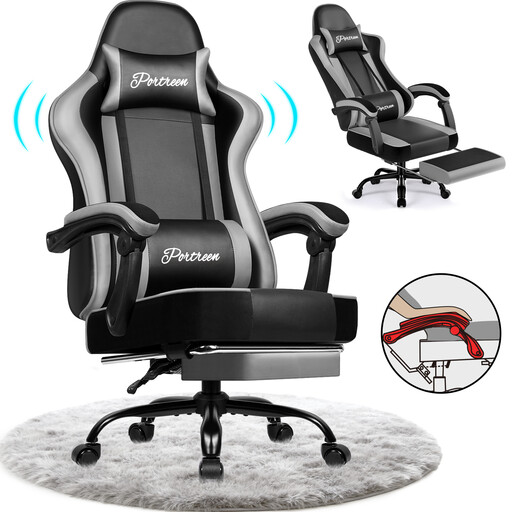
Who is it for? Ideal for those who juggle work, gaming, and relaxation. Its gaming-inspired design combines aesthetics with practical features like a deep-reclining backrest and a retractable footrest, perfect for unwinding.
This chair goes beyond the simple "gaming" label. It includes real lumbar support and a headrest, a wide recline range (90-170°), and BIFMA/SGS certifications, ensuring a reliable and durable structure.
The integrated gaming chair with footrest offers impressive versatility, transforming a work seat into a relaxation space in seconds.
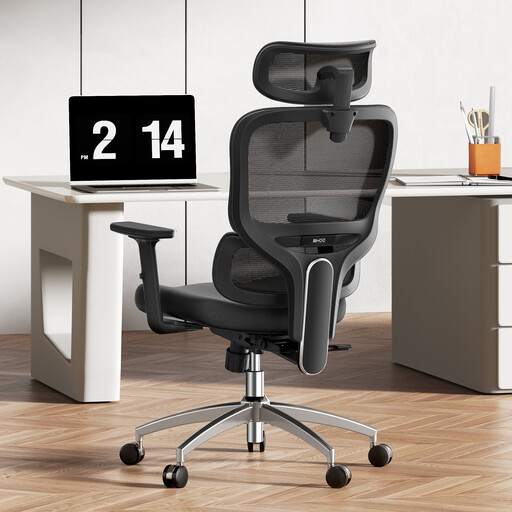
Who is it for? Designed for work marathons, this chair prioritises active and ultra-customisable support. It's for those who won't compromise on ergonomics and back health.
It sidesteps the "pseudo-ergonomic" trap with a 3D dynamic lumbar support that not only adjusts in height but also follows your body's movements. The breathable mesh back prevents overheating.
The dynamic lumbar support and multiple adjustment points (headrest, armrests) provide a tailor-made seating experience, actively reducing fatigue.
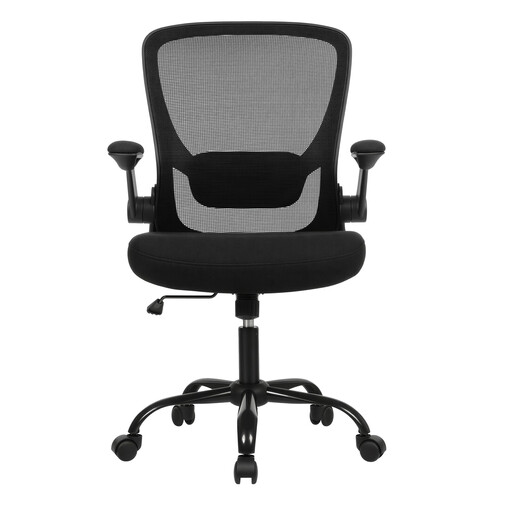
Who is it for? Perfect for *home offices* or workspaces where every square inch counts. This chair packs essential ergonomics into a smart, compact design.
It debunks the one-size-fits-all myth by offering key adjustments (height, adjustable lumbar support) and flip-up armrests. This clever feature allows the chair to slide completely under the desk for maximum space-saving.
The flip-up armrests are the key feature for optimising your space without sacrificing the ergonomic comfort needed during work hours.
We have selected other models for you that meet our strict requirements for comfort, durability, and safety.
A chair's longevity depends on the quality of its materials and construction. A model with a steel base, a certified gas lift (SGS/BIFMA), and high-density foam can easily last between 5 and 10 years with normal use. Regular maintenance, such as tightening screws and cleaning the upholstery, will also help maximise its lifespan.
For an optimal posture, follow these key steps:
A gaming chair can be an excellent option, provided you choose wisely. These models often offer great recline and good support thanks to their cushions. However, their "bucket" seat design can feel more restrictive than an airy mesh back. For purely professional use, a classic ergonomic office chair with dynamic lumbar support and finer adjustments is often more suitable for promoting an active posture. The final choice depends on your priority: versatility and aesthetics (gaming) or micro-adjustable support and a minimalist design (office).