
Livraison le jour même ou le lendemain

Qualité garantie

Débloquez vos offres de bienvenue: Livraison GRATUITE | Jusqu'à -80 % | 30 jours d'essai gratuits à JoyPlus
Téléchargez l'application
Spending hours at your desk, whether at home or in the office, should never lead to back pain or fatigue. An ergonomic office chair isn't a luxury; it's a crucial investment in your health and productivity. The problem is, the market is saturated with models where the term "ergonomic" is used indiscriminately.
Our mission is to help you cut through the noise. Let's break down the pitfalls to avoid and the criteria that truly matter so you can make an informed choice based on your needs, not on marketing hype.
Before even diving into spec sheets, let's review the classic mistakes that turn a good investment into buyer's remorse.
The Illusion of Non-Adjustable "Ergonomic Design": Many chairs boast a stylish S-shape or a fixed lumbar cushion and call themselves "ergonomic." Don't fall for it. A true ergonomic office chair must adapt to your body. A lumbar support that's poorly positioned for your back can do more harm than good. Remember this: true ergonomics is about adjustability, not just shape.
Underestimating Material Quality and Safety: A seat that sags within months, a mesh back that loses its tension, a gas lift that fails... these issues are common in entry-level models. A chair for remote work used daily is put through its paces. Ignoring foam density, upholstery quality, and safety certifications (like BIFMA or SGS) is a surefire way to have to open your wallet again much sooner than expected.
To make the right choice and ensure comfort and durability, two aspects must be examined closely: the range of adjustments and the robustness of the components.
A good office chair should mould to your body and work habits. Make sure it includes the following adjustments:
The structure and materials of your chair are the pillars of its lifespan and your daily comfort.
To put theory into practice, here are three models that tick all the boxes, each designed for a specific user profile.
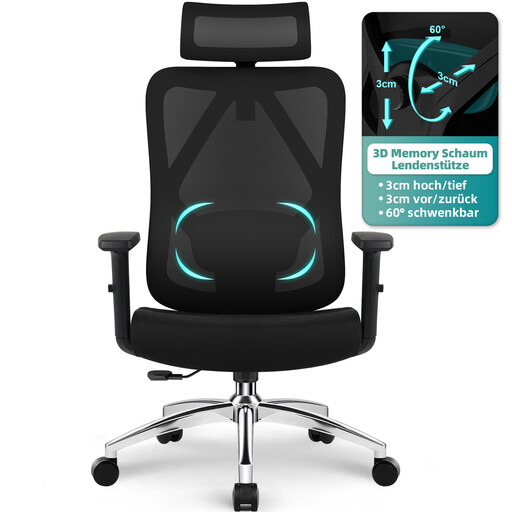
Why we chose it: Perfect for remote work professionals who regularly work 8+ hour days. This chair focuses entirely on dynamic, ultra-customisable support to prevent pain from long work sessions.
It doesn't just settle for a vague "ergonomic" shape; it integrates a true 3D lumbar support that is adjustable in height and depth for a precision fit to your back.
BIFMA and SGS certifications guarantee its robustness. It supports up to 200 kg and reclines to 135° for genuine relaxation breaks.
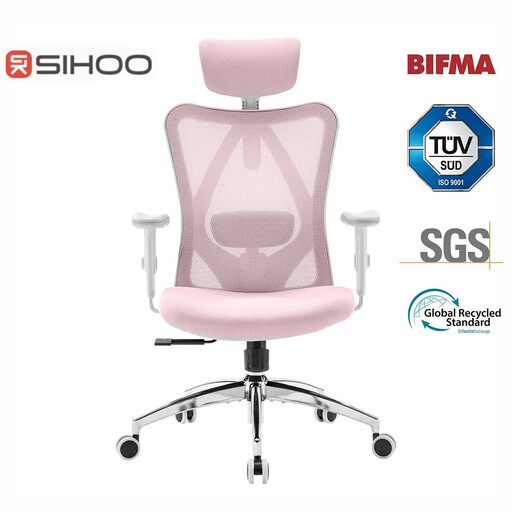
Why we chose it: Excellent for students or young professionals who want essential ergonomic features without breaking the bank. It combines a stylish design with the adjustments that matter.
Even at this price point, it doesn't sacrifice key adjustments: it includes an adjustable lumbar support, a headrest, and adjustable seat height for true customisation.
Its quality breathable mesh back ensures excellent comfort, even in summer. The BIFMA certification and resistance tests are a mark of durability.
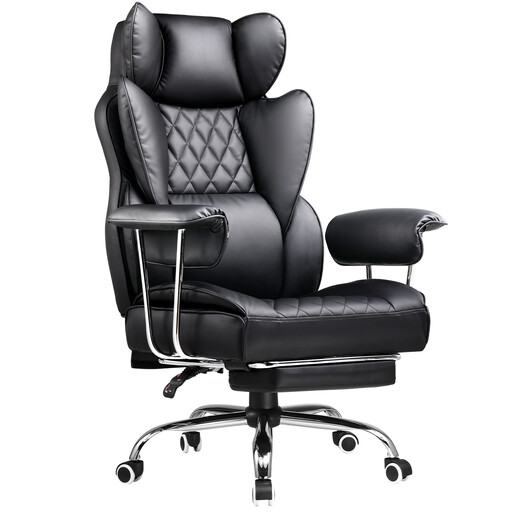
Why we chose it: For those who want a chameleon-like chair that's as effective for long workdays as it is for gaming or relaxation sessions. Its footrest and deep recline are major assets for unwinding.
Despite its "gaming" aesthetic, it doesn't forget ergonomic essentials, featuring a removable and adjustable lumbar support and head cushion for tailored support.
The retractable footrest and its generous recline make it a true two-in-one seat, perfect for switching from work mode to relaxation mode in an instant.
We have selected other chairs that meet our strict requirements for comfort, durability, and safety.
Its longevity primarily depends on the quality of its materials and your usage. An entry-level model will show signs of wear after 1 to 2 years. Conversely, a quality chair with certifications like BIFMA (which requires testing over thousands of cycles) will easily last 5 to 10 years, or even longer. A much more cost-effective investment.
For an optimal setup, follow these simple steps:
Comfort is a matter of personal preference, but each material has its advantages. The breathable mesh office chair is often favoured for long days or in warm rooms because air circulates freely. Leather (or faux leather), which has a more premium feel and is typical of an executive chair, offers a more plush sensation but retains more heat. The final choice will depend on your taste and the temperature of your office.