Joybuy Insights

How to Choose the Right Ergonomic Office Chair: A Buyer's Guide

With remote work on the rise and long hours spent in front of a screen, choosing an ergonomic office chair is no longer a luxury—it's a necessity for your back and daily comfort. Yet, in a market saturated with marketing promises, making the right choice can be a real challenge. A bad purchase isn't just wasted money; it can also worsen postural pain.

To help you navigate this, our experts break down the common pitfalls to avoid and the criteria that truly matter. The goal: to guide you toward a choice that fits your needs, far from the marketing hype.

The 3 Traps to Avoid When Buying an Office Chair

Before you even start comparing spec sheets, learn to spot the misleading claims often hidden in product descriptions.

  1. The Illusion of "Ergonomic Design" Without Adjustability: Many chairs feature an S-shaped curve and claim to be ergonomic. However, if key elements like the lumbar support or armrests aren't adjustable, this "ergonomics" is just for show. A chair must adapt to your body, not the other way around.
  2. The Fragility of Hidden Components: A chair might look sturdy in photos, but its longevity depends on the quality of its gas lift, base, and tilt mechanism. A poor-quality gas lift can lose pressure in a few months, and a flimsy plastic base can crack, making the chair dangerously unstable.
  3. The "One-Size-Fits-All" Myth: A chair designed for someone who is 1.80 m tall will never be suitable for someone who is 1.60 m. The lack of seat depth adjustment or a height-adjustable headrest are red flags you shouldn't ignore.

The Decisive Criteria for an Informed Selection

To ensure you're making a sound investment, focus on these three technical points. They are what will make all the difference in daily use.

1. Adjustability: The Features That Really Count

A quality adjustable office chair should offer much more than just height adjustment. Check for the following settings:

  • Lumbar Support: This is the most critical point for preventing back pain. Good lumbar support must be adjustable in height and, ideally, in depth to perfectly match the curve of your spine.
  • Armrests: Adjustable armrests (in height, width, or even pivotable, known as 3D or 4D) help relieve tension in the shoulders and neck by keeping your forearms in a natural position.
  • Backrest Tilt: The ability to recline and lock the backrest at different angles promotes a dynamic posture throughout the day. A synchronized tilt function, where the seat tilts along with the backrest, is a highly welcome feature.

2. Durability: Weight Capacity and Certifications

A chair's longevity speaks volumes about its build quality.

  • Weight Capacity: A chair that supports up to 150 kg is often a sign of sturdiness. It indicates the manufacturer has used a metal base (steel or aluminum) and a superior-class gas lift.
  • Certifications: Standards like BIFMA or SGS test the durability of components (gas lift, casters, frame) over thousands of cycles. The mention of these certifications, such as the one GTIMEX indicates for its gas lift tested for over 120,000 cycles, is a true sign of reliability.
  • Casters: Opt for a swivel office chair with casters designed for your floor type (hard for carpet, soft for hardwood) to prevent scratches and ensure smooth, quiet movement.

3. Materials: The Balance Between Comfort and Breathability

The upholstery has a direct impact on your comfort, especially during heavy use.

  • Mesh: Very popular for backrests, mesh offers excellent breathability, a significant advantage during warmer months. A high-density mesh will be more durable and retain its tension longer.
  • Fabric and Foam: The seat is often made of high-density foam covered with fabric. A thickness of 8 cm, as seen on some GTIMEX models, provides good cushioning without sagging prematurely.
  • Leather (PU or Genuine): Often associated with executive or gaming chairs, leather is easy to clean but much less breathable than mesh.

Ergonomic Office Chair Recommendations

To put theory into practice, here's how these criteria apply to three models designed for distinct user profiles.
PROFILE: EVERYDAY USE & SMART BUDGETS
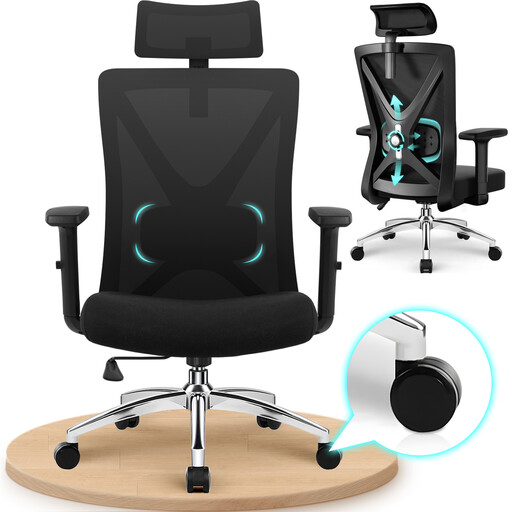
GTIMEX Ergonomic Office Chair

GTIMEX Ergonomic Office Chair with Adjustable Armrests

Why we chose it: Ideal for regular remote work or students, this model offers essential ergonomic adjustments without sacrificing sturdiness, all at a reasonable price point.

How It Avoids the Trap

It doesn't just settle for a simple "ergonomic" shape. It offers adjustable lumbar support in height (6 cm) and depth (3 cm), as well as armrests with 10 cm of adjustment.

Key Advantage

Its sturdy base and certified gas lift support a weight of 150 kg—a reassuring feature for durability that is often reserved for much more expensive models.
PROFILE: INTENSIVE & DEMANDING USER
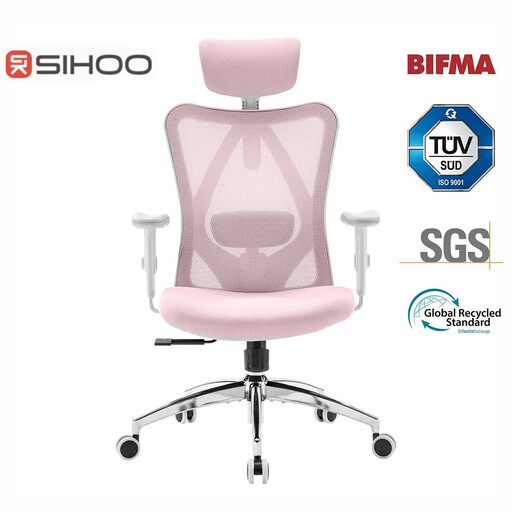
SIHOO M18 Ergonomic Office Chair

SIHOO M18 Ergonomic Office Chair with Headrest

Why we chose it: Designed for those who spend more than 8 hours a day at their desk. This model focuses on comprehensive support and advanced customisation to adapt to different body types.

How It Avoids the Trap

It avoids the "one-size-fits-all" trap by offering 4-point ergonomic support (head, back, hips, hands) and adjustments suitable for users from 1.67 m to 1.88 m tall.

Key Advantage

Its build quality is validated by static pressure tests of 1136 kg and BIFMA certification. The premium mesh backrest ensures excellent ventilation for lasting comfort.
PROFILE: WORK & LEISURE VERSATILITY
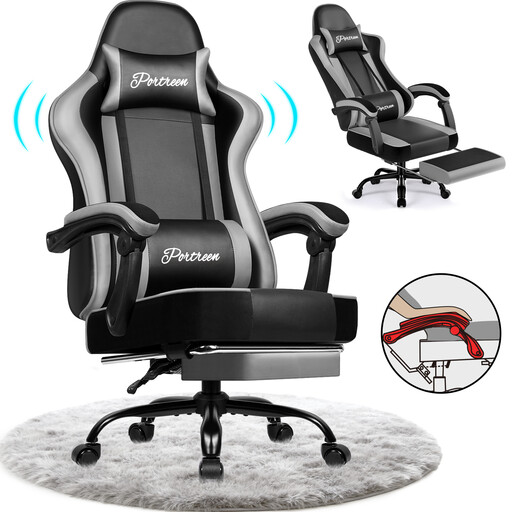
GTIMEX Gaming Chair, Ergonomic Office Chair with Footrest

GTIMEX Gaming Chair with Telescopic Footrest

Why we chose it: For those whose workspace doubles as a relaxation area, this chair combines the functionality of an office chair with the immersive comfort of a gaming seat.

How It Avoids the Trap

Unlike many "gaming" chairs that sacrifice ergonomics for aesthetics, this one retains an ergonomic backrest, lumbar support, and a 90 to 170-degree adjustable recline.

Key Advantage

The integrated telescopic footrest is a real asset for relaxing between work sessions or watching a movie, offering a versatility that classic office chairs lack.

Looking for other models?

We have compiled a complete, up-to-date list of products that meet our strict selection criteria and safety regulations.

Frequently Asked Questions About Ergonomic Office Chairs

What is the lifespan of an office chair?

The lifespan primarily depends on the quality of the materials and the intensity of use. An entry-level model may show signs of weakness (foam sagging, play in the mechanism) after 1 to 2 years. A well-made chair, with a certified gas lift and a metal frame, can easily last between 5 and 10 years with proper care.

How do you properly adjust an ergonomic chair to relieve back pain?

Here is a simple 4-step method:

  1. Seat Height: Sit down and adjust the height so your feet are flat on the floor and your knees form an angle of approximately 90 degrees.
  2. Seat Depth: Leave a space of two to three fingers between the edge of the seat and the back of your knees.
  3. Lumbar Support: Adjust the support to fill the natural curve of your lower back.
  4. Armrests: Adjust their height so your shoulders are relaxed and your forearms rest at a 90-degree angle while typing.

Is a mesh backrest really a good choice?

Yes, it's an excellent choice, especially for a remote work ergonomic chair. Its main advantage is breathability, which prevents discomfort from sweating during prolonged use. However, the quality of the mesh is crucial. A low-density mesh can loosen over time, reducing the effectiveness of the back support. Look for terms like "high-density mesh" or "elastic mesh" for better longevity.