
Livraison le jour même ou le lendemain

Qualité garantie

Débloquez vos offres de bienvenue: Livraison GRATUITE | Jusqu'à -80 % | 30 jours d'essai gratuits à JoyPlus
Téléchargez l'application
Whether you work from home or in an office, long hours of sitting put a major strain on your back. The culprit? All too often, it's an unsuitable chair, leading to pain and decreased productivity. In a market saturated with models all claiming to be "ergonomic," making the right choice can feel like an uphill battle. Our mission: to help you decode the options and invest in a model that truly suits you, cutting through the marketing noise.
Before you pull out your credit card, here are the 3 pitfalls to avoid so you don't regret your purchase:
To choose an ergonomic office chair that lives up to its promises, focus on these objective features.
Good lumbar support is essential for preventing back pain. An excellent ergonomic office chair must go beyond a simple bulge in the lower backrest.
The "one-size-fits-all" chair myth dies hard. In reality, adaptability is key. Here are the adjustments you should demand:
The choice of upholstery directly impacts the comfort and lifespan of your chair.
Finally, don't overlook certifications like BIFMA or SGS. Far from being mere logos, they guarantee that the chair has undergone rigorous testing for strength, stability, and durability. They are a seal of confidence in its robustness.
Instead of an endless list, we've selected models that cater to specific profiles, applying the criteria we've just detailed.
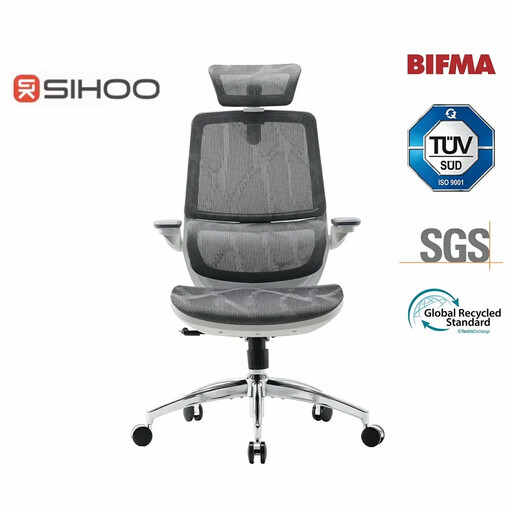
Why we love it: Perfect for intensive remote work. This chair is tailored for those who spend more than 8 hours a day at their desk and demand impeccable back and arm support.
It goes far beyond the simple "ergonomic" sticker by incorporating a dynamic lumbar support that adjusts to your movements in real time. The support is constant, which is where many competing models fall short.
Its 3D armrests tilt along with the backrest, ensuring perfect forearm support in any position. The BIFMA and SGS certifications are a guarantee of durability.
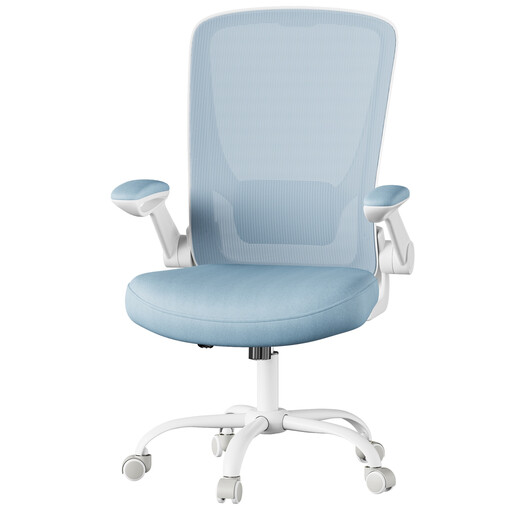
Why we love it: Ideal for small spaces and tight budgets. This chair gets straight to the point, offering essential ergonomic functions with a major advantage for optimising your square footage.
There are no frills here. The design is streamlined to focus on the essentials: a well-shaped backrest, adjustable lumbar support, and, most importantly, ultra-practical flip-up armrests.
Its retractable armrests allow it to slide completely under the desk. A valuable space-saver! The generous seat and breathable mesh backrest ensure excellent everyday comfort.
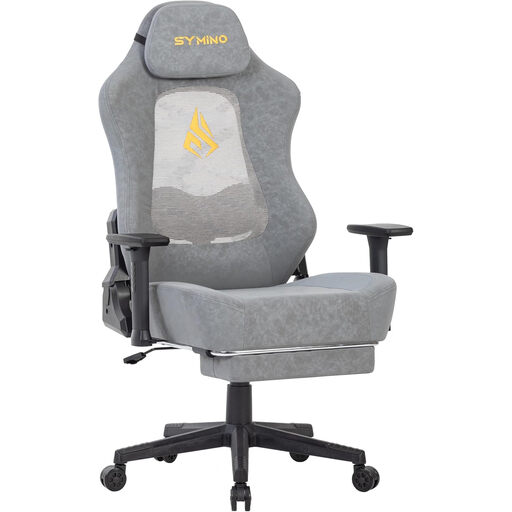
Why we love it: For those who want a bold style without sacrificing comfort, whether for gaming or remote work. This hybrid model successfully merges the look of a gaming chair with the true functionality of a modern office chair.
Unlike many "bucket seat" gaming chairs that get very hot, this model incorporates a cut-out mesh backrest for maximum air circulation. No more sweaty backs after a long session!
Its 3D elastic lumbar system conforms to the spine, while its wide recline range (90°-155°) allows you to switch from focus mode to relaxation mode in an instant.
Explore our full selection of products that meet our rigorous selection criteria and current safety standards.
A good chair is one thing. A well-adjusted chair is another. Follow these simple steps:
It all depends on the quality of the materials and how it's used. An entry-level model will show signs of wear after 1 to 2 years (flattened foam, stretched mesh). A good mid-range or high-end chair, certified by BIFMA, is an investment designed to last between 5 and 10 years, or even longer with minimal maintenance.
Yes, and it's an excellent choice, especially as our summers tend to get warmer. The number one advantage of a mesh office chair is its breathability, which prevents heat and sweat build-up. It also offers firm support that conforms well to the shape of the back. The only point of caution is with budget models, where the mesh can stretch out prematurely.