
Livraison le jour même ou le lendemain

Qualité garantie

Débloquez vos offres de bienvenue: Livraison GRATUITE | Jusqu'à -80 % | 30 jours d'essai gratuits à JoyPlus
Téléchargez l'application
Whether working from home or in the office, spending hours glued to our chairs has become the new normal. Yet, for many of us, comfort remains a luxury. Poor posture is a gateway to back pain, chronic fatigue, and plummeting productivity. The market is flooded with options, but how can you separate the wheat from the chaff and make a wise investment rather than a purchase you'll regret?
As the Head of Product Selection at Joybuy, my mission is to help you navigate this jungle. Moving beyond marketing jargon, let's focus on what truly matters. Here's a breakdown of the pitfalls to avoid and the essential criteria for choosing an ergonomic office chair that won't let you down.
To make an informed choice, focus on the objective features that define a truly comfortable office chair built to last.
Every body is unique, and your chair must adapt to it. Here are the non-negotiable adjustments:
The perceived comfort largely depends on the materials.
Rather than an endless list, we've matched specific models to user profiles, based on the objective criteria discussed above.
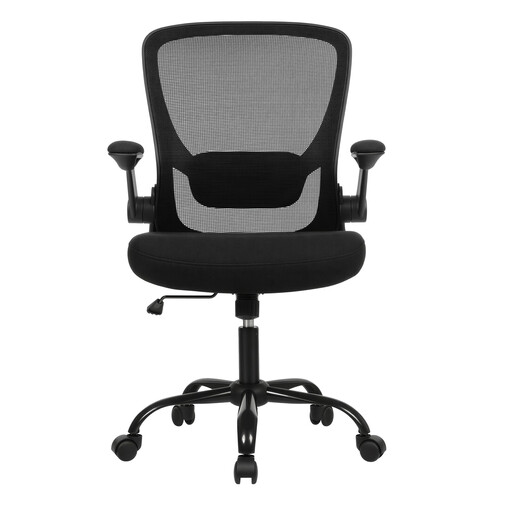
Why this model: Ideal for a home office where versatility and space-saving are key priorities. It offers the essential ergonomic adjustments without the frills.
This model goes beyond a simple "ergonomic" label by including a true adjustable lumbar support and flip-up armrests: concrete features that make a real difference.
Its flip-up armrests allow the chair to slide under any desk, a huge plus for optimising space in a small room.

Why this model: Designed for those who spend over 8 hours a day at their screen and demand total support and perfect ventilation.
It avoids the poor upholstery trap. Its backrest and seat in breathable mesh guarantee perfect ventilation, a decisive advantage for long-term comfort.
Support is total thanks to the adjustable headrest and lumbar support, perfect for reducing neck and back fatigue during work marathons.
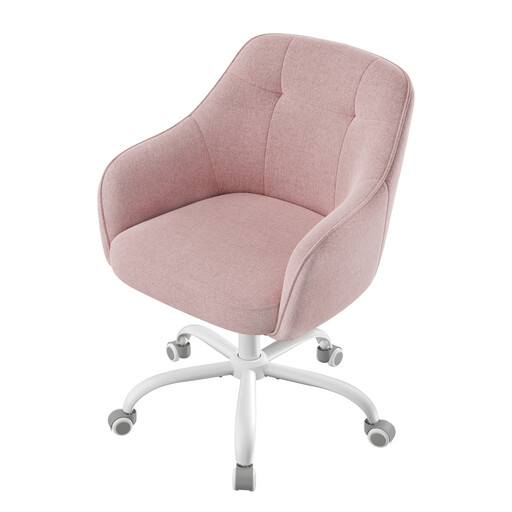
Why this model: For those who want a chair that blends into their decor (bedroom, office nook) without sacrificing essential comfort.
It avoids the "all style, no substance" trap by offering generous padding and a supportive, enveloping backrest. An excellent compromise between style and support for daily use.
Its trendy look and soft velvet-effect upholstery add a cosy, decorative touch that easily integrates into a living space.
Explore our full selection of products that meet our selection criteria and current safety standards.
1. Is lumbar support really essential? Yes, and it's non-negotiable. For anyone who spends more than two hours a day sitting, good lumbar support is crucial. It helps maintain the natural curve of the lower back (lumbar lordosis), thereby reducing pressure on the intervertebral discs and preventing chronic pain. An adjustable model is always preferable, as it allows you to fine-tune the support to your specific body shape.
2. Mesh or fabric backrest: which to choose? It all depends on your priorities and sensitivity. The mesh office chair offers unbeatable breathability. This is a decisive advantage in a poorly ventilated room, during the summer, or for people who tend to run hot. Padded fabric, on the other hand, provides a softer, cosier feel. If you opt for fabric, ensure it's high-quality to guarantee its longevity and ease of maintenance.
3. What is the lifespan of a good office chair? Its longevity depends on the quality of its components and the intensity of its use. An entry-level model will show its limits after 1 to 2 years, whereas a well-made chair can last for 5 to 10 years, or even longer. The points to check are the gas lift class (a Class 3 or 4 is a sign of durability), the base material (steel or aluminium are far more durable than plastic), and the quality of the casters.