
Livraison le jour même ou le lendemain

Qualité garantie

Débloquez vos offres de bienvenue: Livraison GRATUITE | Jusqu'à -80 % | 30 jours d'essai gratuits à JoyPlus
Téléchargez l'application
Whether you work from home or in the office, spending hours glued to a chair can quickly become a nightmare for your back and neck. Investing in an ergonomic office chair isn't a luxury—it's a crucial investment in your health. The problem? The market is flooded with models that make vague marketing promises and use opaque technical jargon. Our mission is to help you cut through the noise and make an informed choice.
Before you pull out your credit card, here are the three most common traps that lead to a purchase you'll regret:
To make an informed decision, rely on objective technical specifications, not marketing hype. Here are the non-negotiable features to look for.
A truly comfortable and ergonomic office seat is defined by its range of customisation options. Make sure the chair includes the following adjustments:
The lifespan of your chair, especially an ergonomic chair for remote work under intensive use, depends directly on the quality of its components.
Ergonomics doesn't stop at the chair. For a truly complete setup, adopting a sit-stand desk is a game-changer. Alternating between sitting and standing throughout the day is an excellent way to boost circulation and reduce fatigue. This dynamic workstation is the centrepiece of modern ergonomic office furniture. A model like the Ochama height-adjustable desk, for example, makes this transition seamless with its quiet motor and memory presets.
Because every body type and use case is unique, here are our recommendations to help you find the model that's right for you.
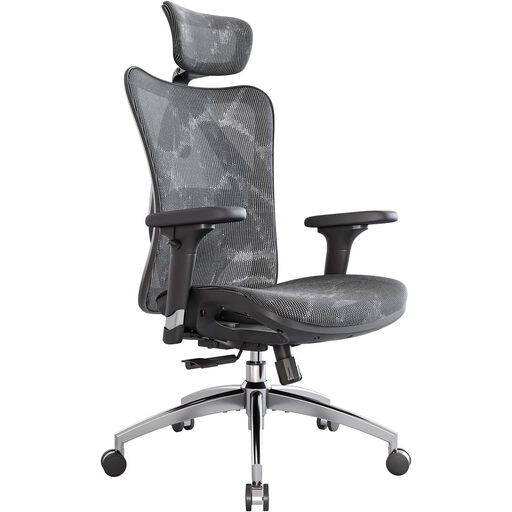
The Verdict: This model is the ultimate all-rounder for remote work. It checks all the boxes: comprehensive adjustments, long-lasting comfort, and the versatility to switch between administrative tasks and video calls.
It goes beyond the label, offering true adjustable lumbar support, 3D armrests, and a high-quality polyester mesh back that prevents overheating.
Its incredible versatility, with a full suite of adjustments (headrest, lumbar, armrests) and the security of an SGS and BIFMA certified gas lift.
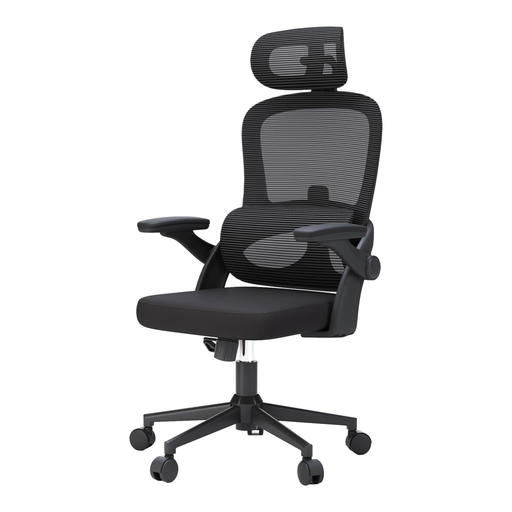
The Verdict: Specifically designed for taller frames and larger body types, this chair features a wide seat and a high weight capacity (up to 136 kg) for optimal support.
It shatters the one-size-fits-all myth with its reinforced frame, generous high-density foam seat, and a lumbar support that adjusts by 6 cm to accommodate different body types.
Its wide seat and robust build, which guarantee rock-solid comfort and excellent durability, even under heavy use.
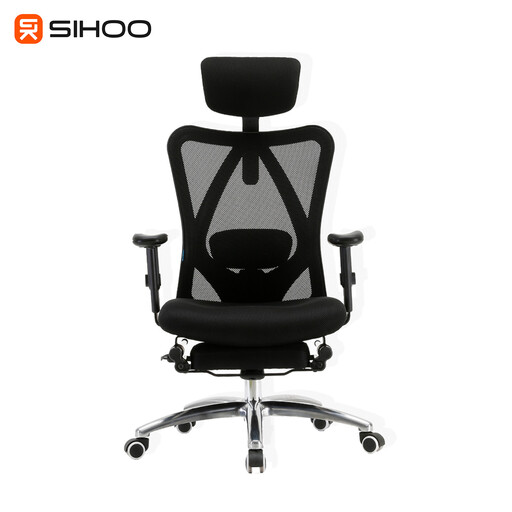
The Verdict: For those who want to turn their workstation into a haven of comfort, this chair includes a retractable footrest. It's perfect for taking a real break or working in a semi-reclined position.
It goes beyond basic adjustments by adding a decisive comfort feature. Far from a gimmick, the footrest is a genuine asset for relieving leg strain and changing up your posture.
The integrated adjustable footrest. It's the game-changing detail, combined with a high, reclining back and breathable mesh for a level of comfort worthy of a recliner.
Explore our complete selection of products that meet our demanding selection criteria and European safety standards. Everything you need to furnish your workspace with style and intelligence.
The lifespan depends on the quality of the materials and the intensity of use. An entry-level model will show its first signs of wear after just 1 or 2 years. In contrast, a high-quality chair that is well-maintained and features certified components will easily last you 5 to 10 years. A good indicator is the manufacturer's warranty period, which is often 3 years or more on reputable models.
Each material has its pros and cons. Mesh is prized for its excellent breathability, putting an end to that feeling of heat and sweat after a few hours of work. It also provides flexible support that adapts to your body shape. Leather (or a good quality faux leather) offers a more executive look and can be wiped clean, but it is significantly less breathable. For intensive use, especially in the summer or in a poorly ventilated room, mesh remains the wisest choice.