
Livraison le jour même ou le lendemain

Qualité garantie

Débloquez vos offres de bienvenue: Livraison GRATUITE | Jusqu'à -80 % | 30 jours d'essai gratuits à JoyPlus
Téléchargez l'application
Remote work, personal projects, gaming… We’re all spending more hours at our desks than ever before. And while we often focus on the power of our computers, our chair is just as crucial. The wrong chair can turn a productive day into an ordeal of discomfort and back pain. The problem? The market is flooded with models all claiming to be "ergonomic". How can you tell a genuine solution for your back from a mere marketing ploy?
As the Head of Product Recommendations at Joybuy, I'm here to help you navigate the options. Let's break down the common pitfalls to avoid and the criteria that truly matter, so you can make the right choice for your body and your space.
Marketing can often be misleading. Many people end up regretting their purchase after just a few months, once flaws that weren't obvious at first glance reveal themselves with daily use. Here are the two most common mistakes.
To invest in a chair that will genuinely support your back and boost your productivity, focus on these three non-negotiable technical features.
Lumbar support isn't an option—it's the number one criterion. A good system isn't just a bump in the backrest; it must be adjustable in height and, ideally, in depth. The goal is to position the support precisely in the small of your back (the lumbar curve) to maintain the natural alignment of your spine and reduce pressure on the intervertebral discs.
A height-adjustable office chair is a good start, but it's far from enough. Make sure the chair includes the following mechanisms:
Long-term comfort depends directly on the materials. A high-density foam seat will hold its shape and support far longer than a low-quality foam. For the backrest, mesh is an excellent option for its breathability, which prevents overheating during long workdays. Finally, check that the base and casters are sturdy (reinforced nylon or steel) to ensure stability and mobility without scratching your floors.
Because every user is unique, here are some options that meet different needs while adhering to the essential quality criteria we've just covered.
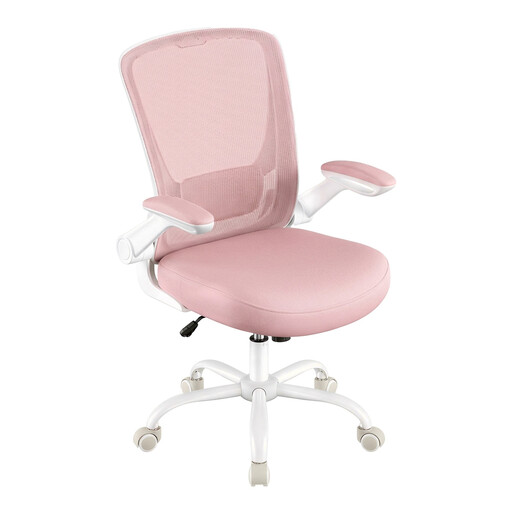
Why we chose it: This chair for remote work checks all the boxes for long hours in front of a screen: adjustable lumbar support, a breathable mesh back, and a thick seat for lasting comfort.
It doesn't just rely on a vague "designer" shape. It offers truly adjustable lumbar support and flip-up armrests, making it adaptable to both the user and their space—unlike cheap, fixed models.
The combination of flip-up armrests (perfect for saving space) and a breathable mesh back makes it a particularly smart choice for a home office.
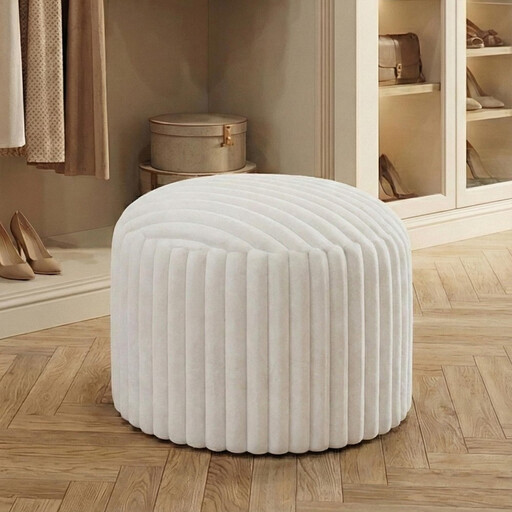
Why we chose it: For those who want to create a truly cozy setup, a footrest is the perfect complement to a good ergonomic chair. It improves blood circulation by elevating the legs and allows for a much more relaxed posture.
Instead of relying on a chair with a built-in footrest, which is often gimmicky and flimsy, this dedicated accessory is a sturdy and versatile solution. Its stylish design makes it an excellent companion for a white office chair.
Its dual-layer foam design offers both firm support and a soft feel. The removable, machine-washable cover is a major plus for easy daily maintenance.
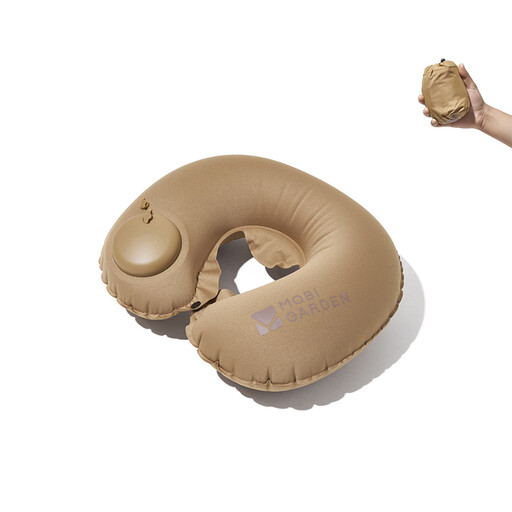
Why we chose it: Even with the best chair in the world, neck strain can eventually creep in. This pillow is perfect for micro-breaks, allowing you to relax your neck while leaning back, or for those times you work from the couch.
It addresses a specific need that even high-end office chairs often overlook: cervical support during rest. It's a portable, on-demand solution that's far more effective than a poorly adjusted fixed headrest.
Its press-to-inflate system makes it ultra-convenient and compact. It slips into a drawer, always ready for a well-deserved relaxing break.
The ergonomics of your workspace don't stop at the chair. Discover our selection of products designed to improve your seating comfort, wherever you are.
It all depends on the quality of its components and how you use it. An entry-level model will show signs of wear (sagging foam, a wobbly mechanism) after just one or two years. In contrast, a quality chair with a metal base, sturdy casters, and high-density foam can easily last you 5 to 10 years, or even longer with proper care.
Follow these simple steps for an optimal posture:
Yes, as long as it's high-quality. The main advantage of mesh is its breathability, which is a godsend during the summer months. Quality mesh provides firm support and distributes pressure evenly. Be careful, though: on low-end models, the mesh can be too taut and create pressure points, or conversely, it can loosen too quickly. The ideal compromise is often a chair that combines a mesh back with a well-padded foam seat.