
Livraison le jour même ou le lendemain

Qualité garantie

Débloquez vos offres de bienvenue: Livraison GRATUITE | Jusqu'à -80 % | 30 jours d'essai gratuits à JoyPlus
Téléchargez l'application
Remote work, long study sessions, or days at the office: spending hours sitting has become a part of our daily lives. In this context, a good ergonomic office chair is no longer a luxury, but an essential investment in your comfort and health. The problem? The market is flooded with marketing promises that make choosing particularly difficult. How can you distinguish a true ally for your back from a gadget that will fail in a few months?
As a product expert for Joybuy, my mission is to help you navigate the options. Let's break down the common pitfalls and essential criteria together to make an informed choice.
Before you even start comparing models, it's crucial to sidestep the common misconceptions that can be costly for both your well-being and your wallet.
To avoid these pitfalls, focus on objective features. Here are the non-negotiable points to scrutinize.
A good ergonomic office chair must offer extensive customisation.
A comfortable office chair remains so over time if its materials are high quality.
Because every user is unique, here are a few models that cater to various profiles and budgets, all selected according to the quality criteria we've just defined.
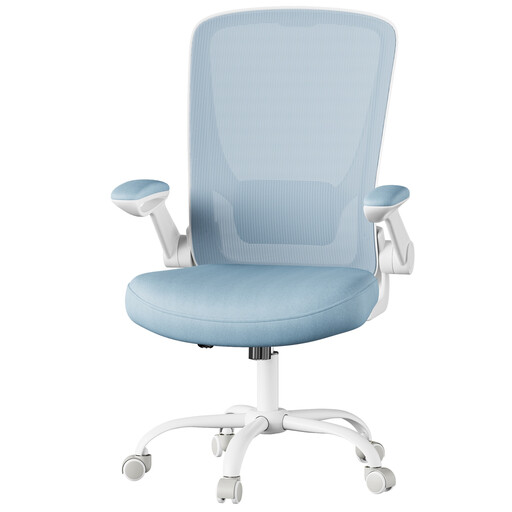
Why we recommend it: It checks the essential ergonomic boxes (lumbar support, adjustable height) at a very accessible price. Its flip-up armrests are a great bonus for small spaces: once raised, they allow the chair to slide under the desk for maximum space-saving.
This chair goes beyond the simple "ergonomic" label by offering concrete adjustments and a smart feature (the folding armrests), making it far more versatile than a basic one-size-fits-all model.
A very competitive features-to-price ratio and flip-up armrests to optimise space.
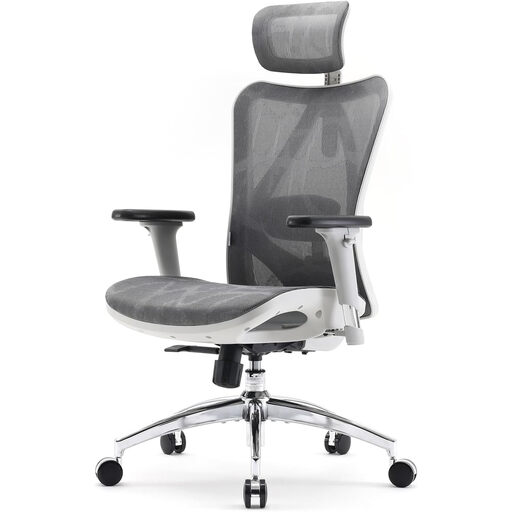
Why we recommend it: Built for long sessions, this chair perfectly meets the demands of intensive remote workers. Its 3D armrests, adjustable lumbar support, and breathable mesh back ensure a healthy posture and constant comfort, even after several hours.
It avoids the low-quality material trap with its metal frame, high-elasticity mesh, and a 3-year warranty—a sign of confidence. Its multiple adjustments (lumbar, 3D armrests, headrest) prove that its ergonomics are real and not just a selling point.
Its advanced adjustments (3D armrests, lumbar support) and breathable design, perfect for intensive use.
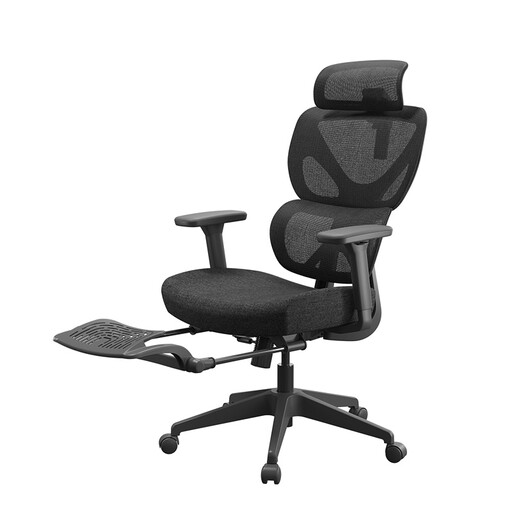
Why we recommend it: This chair bridges the gap between a workstation and a relaxation space. Its integrated footrest is the standout feature for those who like to switch between an active work posture and relaxing breaks without ever leaving their desk.
It isn't limited to purely "work" adjustments and incorporates real comfort features (footrest, wide recline), based on the principle that needs change throughout the day. It thus avoids the trap of being a single-purpose chair.
The integrated footrest and deep recline for unmatched work/relaxation versatility.
We have put together a complete selection of products that meet our demanding selection criteria and current safety standards.
It all depends on the quality of the materials and the intensity of your use. A model with a steel base, quality mesh, and high-density foam can easily last 5 to 10 years. Conversely, an entry-level model will show signs of wear in the first or second year. The warranty period (often 2, 3, or more years on good models) is an excellent indicator of the manufacturer's confidence in its product's longevity.
Follow these four key steps:
A gaming chair can be an alternative, but its philosophy is different. It often relies on a "bucket" seat design and removable cushions, favouring an immersive aesthetic and support designed for gaming. In contrast, a classic ergonomic office chair focuses on micro-adjustments (integrated lumbar support, 4D armrests, etc.) optimised for a more static work posture. The choice, therefore, depends on your priorities: a bold aesthetic or maximum postural customisation.