
Livraison le jour même ou le lendemain

Qualité garantie

Débloquez vos offres de bienvenue: Livraison GRATUITE | Jusqu'à -80 % | 30 jours d'essai gratuits à JoyPlus
Téléchargez l'application
Spending hours at a desk, whether for remote work, in the office, or during gaming sessions, has become a part of our daily lives. Yet, for many, comfort remains a luxury. The wrong chair can quickly turn a productive day into a nightmare for your back, neck, and shoulders. The market is flooded with models claiming to be "ergonomic," but how can you tell the difference between a marketing promise and a real benefit for your health?
As a product expert at Joybuy, I'm here to help you navigate the pitfalls. Let's break down the common mistakes to avoid and the key features to check for a successful purchase that guarantees both comfort and productivity.
Before you even start comparing spec sheets, let's review the classic mistakes that lead directly to a disappointing purchase.
To ensure you choose a comfortable office chair that's built to last, here are the technical points where you should make no compromises.
A good office chair with lumbar support does more than just feature a curved backrest. The real difference lies in its adjustability. Prioritise a model with lumbar support that is adjustable in height and, if possible, in depth. This allows you to perfectly align the support with the natural curve of your spine, reducing pressure on your intervertebral discs during long hours of sitting.
A quality adjustable office chair should offer an array of adjustments to adapt to you, not the other way around. Here are the most important ones:
The choice of upholstery is a matter of comfort, but also of maintenance and durability.
To illustrate these criteria in action, here is our selection of models suited to different needs and budgets.

Who is it for? Perfect for those who juggle intense workdays with more casual use. It covers the essentials with indispensable adjustments, no frills. Its real bonus: flip-up armrests, perfect for small spaces.
Unlike entry-level chairs, it includes genuine adjustable lumbar support and a headrest, thus avoiding the "one-size-fits-all" trap.
Its flip-up armrests that let it slide under any desk and its dense foam seat that ensures long-lasting comfort.
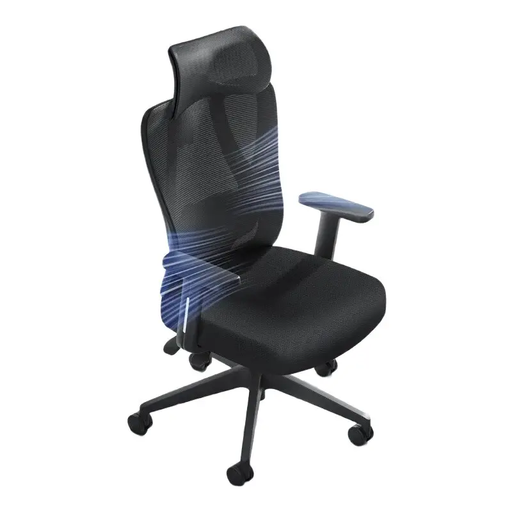
Who is it for? Designed for desk marathoners (8+ hours/day), this chair focuses on dynamic, ultra-customisable support to combat postural fatigue.
It shatters the simple "ergonomic" label with its 4D lumbar support that actively follows your movements. A technical feat that makes all the difference.
Its dynamic 4D lumbar support for perfect posture at all times, and its 140° recline for truly relaxing breaks.
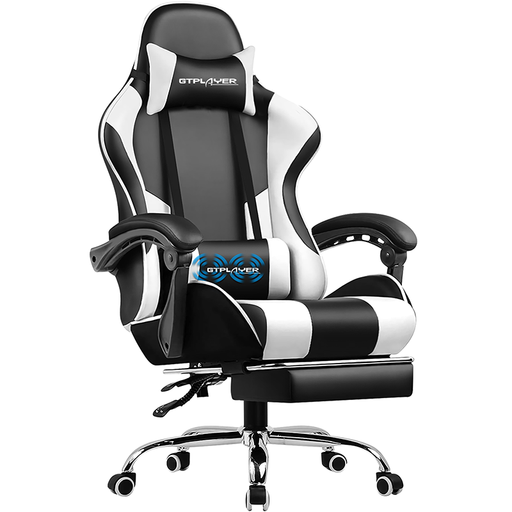
Who is it for? For gamers who don't want to choose between style and comfort. It adopts the look of a gaming chair while integrating wellness features like a footrest and lumbar massage.
Beyond its bold look, it justifies its position with concrete additions: a massage cushion and a footrest that are more than just gimmicks.
The ultimate combo: a retractable footrest and a massaging lumbar cushion to completely de-stress between gaming sessions.
Explore our full selection of chairs that meet our demanding standards for comfort and safety.
It all depends on the quality of its materials. A model with a metal base (steel or aluminium) and a Class 3 or 4 gas lift (the reliability standard) will always outperform a chair with a plastic base. The upholstery is also crucial: high-quality mesh or thick leatherette will hold up better over the years. Expect an average of 5 to 10 years of daily use from a good chair.
This is essential to get the most out of your investment. Follow these 4 steps:
It's largely a matter of preference, but each option has its pros. Mesh fabric is the champion of breathability, ideal for those who tend to run hot. It offers firm, evenly distributed support. Conversely, fabric and leatherette, often paired with foam, provide a more enveloping and plush feel. Your choice will depend on your sensitivity to heat and whether you prefer firm contact or a softer, cosier comfort.