
Livraison le jour même ou le lendemain

Qualité garantie

Débloquez vos offres de bienvenue: Livraison GRATUITE | Jusqu'à -80 % | 30 jours d'essai gratuits à JoyPlus
Téléchargez l'application
Back pain, neck strain... The long hours spent sitting, whether at the office or working from home, eventually take their toll. Far from being a luxury, an ergonomic office chair is a real investment in your daily health and comfort. But with the overwhelming number of models available, how do you make the right choice?
Our mission: to guide you with clear advice and a selection of tried-and-tested chairs, free of marketing jargon. Let's break down the essential criteria together and discover the best models for every need and body type.
Before diving into our selection, let's cover the basics. To ensure you make the right choice, here are the features that distinguish a simple seat from a true ally for your back.
A truly ergonomic chair should adapt to you, not the other way around. The essential adjustments are:
The upholstery has a direct impact on comfort and durability. The highly popular mesh office chair stands out thanks to its woven structure that allows air to circulate. It's ideal for preventing overheating during long workdays. Quality mesh also provides firm yet flexible support that adapts to your body shape without losing its form.
Dimensions and weight capacity are non-negotiable criteria. Always check the maximum supported weight. If you are tall or have a heavier build, look for a heavy-duty office chair. These models offer a wider seat, a taller backrest, and a reinforced structure to ensure your safety and long-term comfort.
Let's get practical with three models that stand out for their design, value for money, and ability to meet specific needs.
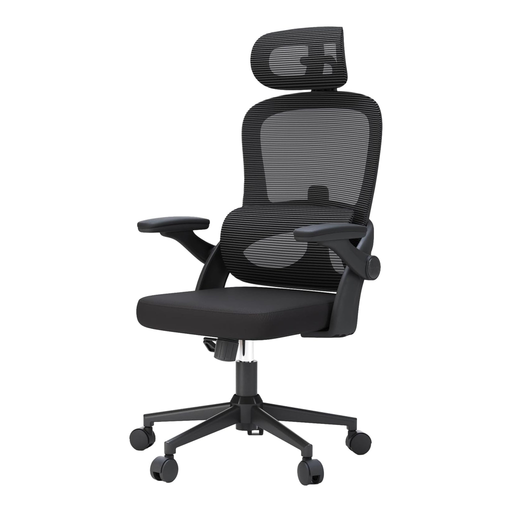
Why it stands out: The SIHOO M102C is designed to offer comprehensive and adaptable support, especially for users who need more space. It is notable for its precise lumbar support and highly versatile armrests, all with a rock-solid build.
Key features:
Who is it for? Ideal for tall or heavier individuals. It's also an excellent choice for demanding remote workers who want a robust and fully adjustable chair, especially when it comes to the armrests.

Why it stands out: This Ochama chair is an excellent entry point into the world of ergonomics. It combines the essential features for good support (contoured backrest, lumbar support) in a simple and effective design, perfect for a home office or a student's room.
Key features:
Who is it for? Perfect for remote workers or students looking for their first quality piece of equipment to correct their posture without breaking the bank. Its simplicity and functionality make it a smart and versatile choice.
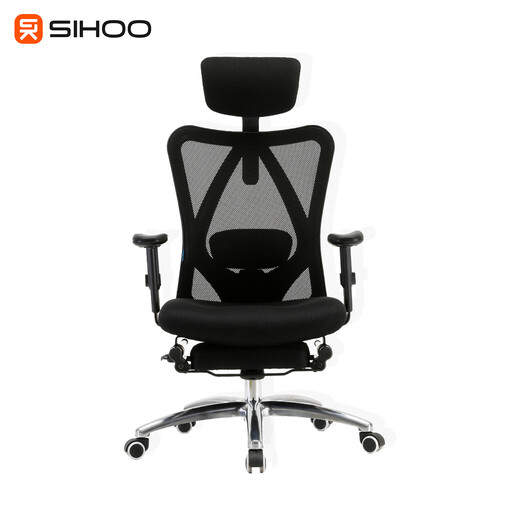
Why it stands out: The Sihoo M18JT is a step up, incorporating a rare and valuable feature: a retractable footrest. Combined with its numerous adjustments, this feature makes it a two-in-one solution, ideal for alternating between work and relaxation breaks.
Key features:
Who is it for? For those who work long days at their desk and dream of being able to switch into relaxation mode without leaving their workstation. A very relevant choice for intensive remote work or long gaming sessions.
Our selection highlights versatile, tried-and-tested models, but perhaps you're looking for a specific style, colour, or feature. To explore a wider range of chairs and other solutions for your workspace, feel free to browse our Orange Furniture category.
A standard chair often only offers a simple height adjustment. In contrast, an ergonomic office chair is designed to actively support a healthy posture. It provides multiple adjustment points (lumbar support, armrests, headrest, seat depth, etc.) to finely tune to your body shape and reduce the strain associated with prolonged sitting.
An adjustment period of a few days to a week is often necessary. If your body has become accustomed to poor posture, the active support of an ergonomic seat can feel surprising at first. Take the time to experiment with the different settings to find the configuration that is perfectly suited to you.
Here are the key guidelines for an optimal setup: