
Livraison le jour même ou le lendemain

Qualité garantie

Débloquez vos offres de bienvenue: Livraison GRATUITE | Jusqu'à -80 % | 30 jours d'essai gratuits à JoyPlus
Téléchargez l'application
Whether you're working from home or pulling long hours at the office, we're spending a record amount of time sitting down. Poor posture can quickly set in, bringing with it a host of back pain, neck strain, and fatigue. In this context, investing in an ergonomic office chair is no longer a luxury, but a crucial investment in your health and well-being.
But with an overwhelming number of options on the market, how do you find the right one? This guide is here to help you see clearly and choose the office seat that's perfectly suited to your needs, without getting lost in marketing jargon.
Before diving into our selection, let's review the essential criteria for making an informed choice.
A good ergonomic office chair must conform to the natural curve of your spine. The most critical feature? Proper lumbar support. Ideally, it should be adjustable in height and depth to perfectly match your body shape. A well-calibrated support system maintains correct posture, reduces pressure on the lumbar vertebrae, and helps prevent pain.
A great chair is one that adapts to you, not the other way around. Check for the following adjustment options:
Check the maximum weight capacity of the chair. Many models are designed to support up to 150 kg, a sign of sturdiness and safety. The choice of materials directly impacts comfort and maintenance:
Our editorial team has reviewed several models to select only those that stand out for their design and features.
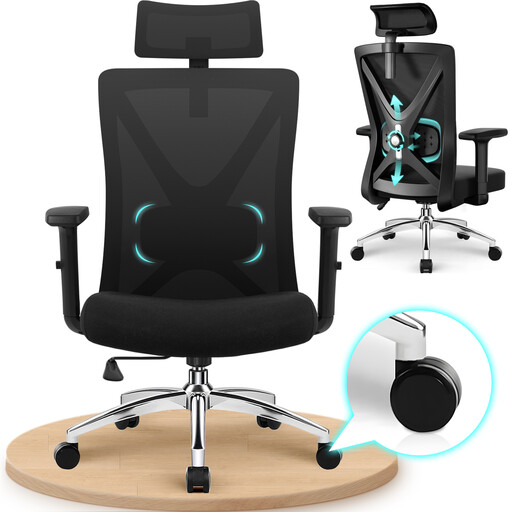
Why it stands out: This chair focuses on extreme customisation, from the lumbar support to the headrest, all while offering excellent ventilation.
Pros:
Who is it for? For those looking for an ultra-customisable work-from-home chair to find their ideal posture, and for anyone who tends to overheat.
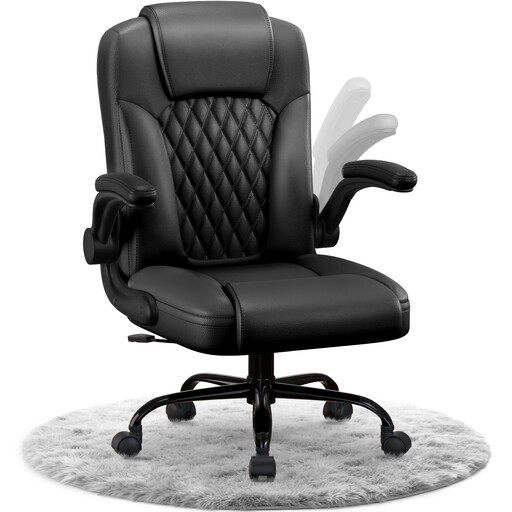
Why it stands out: The perfect blend of understated aesthetics and clever functionality, with flip-up armrests designed for optimised spaces.
Pros:
Who is it for? For fans of a professional, clean design who don't want to sacrifice ergonomics, especially in a home office where every inch counts.
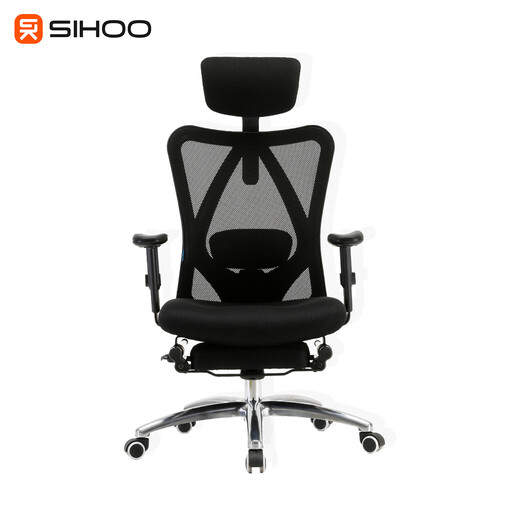
Why it stands out: With its retractable footrest, this is more than just an office chair—it's an invitation to take a power nap.
Pros:
Who is it for? For office marathoners who work long hours and dream of taking truly relaxing breaks without leaving their desk.
Ergonomics are great. Style is also great. Both are even better! If you're looking to refine your office aesthetic or inject a splash of colour, other types of chairs can perfectly complement your setup.
For example, take a look at our selection of orange armchairs, perfect for energising a room with a vibrant touch.
1. What is the difference between an ergonomic chair and a standard office chair? A standard chair often only offers height adjustment. An ergonomic office chair, on the other hand, is designed to conform to and support your body. It provides a multitude of adjustments (lumbar support, armrests, headrest, tilt, etc.) to encourage a healthy posture, reduce fatigue, and prevent musculoskeletal disorders (MSDs).
2. How long does it take to get used to an ergonomic office chair? Expect a short adjustment period of about a week. At first, maintaining a correct posture might feel counter-intuitive, especially if you've developed bad habits. Take the time to play with the settings to find your ideal configuration. Once you've adapted, you'll never want to go back.
3. Is lumbar support really essential? Absolutely, especially for prolonged use. Lumbar support helps maintain the natural curve of your lower back (the lumbar lordosis). This reduces pressure on the intervertebral discs and prevents pain. Without this support, we tend to slouch, which creates unnecessary tension throughout the back and up to the neck.