
Livraison le jour même ou le lendemain

Qualité garantie

Débloquez vos offres de bienvenue: Livraison GRATUITE | Jusqu'à -80 % | 30 jours d'essai gratuits à JoyPlus
Téléchargez l'application
Remote work has become a staple in our lives, and with it, long hours spent sitting down. The downside? Back, neck, or shoulder pain that insidiously creeps in. The culprit is often easy to spot: unsuitable office equipment. Investing in an ergonomic office chair is therefore not a luxury, but a necessity to protect your health and productivity.
This guide is here to help you make an informed decision. We will break down the essential criteria to look for and present a selection of chairs that have caught our attention for their design and performance.
Before comparing models, it's crucial to know what makes a good chair. Here are the key points that will guide your choice.
An ergonomic chair must adapt to your body, not the other way around. Adjustability is therefore the most critical factor. Prioritise checking the following features:
Certifications aren't just logos. They guarantee the durability and safety of your chair. A BIFMA-certified office chair (Business and Institutional Furniture Manufacturer's Association) or one that meets European standards (like EN 1335) has passed a battery of rigorous tests for strength, stability, and longevity.
The choice of upholstery is also a matter of both comfort and practicality. Mesh is praised for its breathability, ideal for long work sessions. Fabric offers a warmer feel, while leather or faux leather adds a touch of elegance.
Beyond ergonomics, consider the chair's footprint and style. A model like a white designer office chair can blend more easily into a modern interior than a bulky, dark executive chair. Finally, don't forget to check the maximum supported weight—a detail that matters.
After our analysis, here are three models that stand out from the crowd, each catering to a specific user profile.
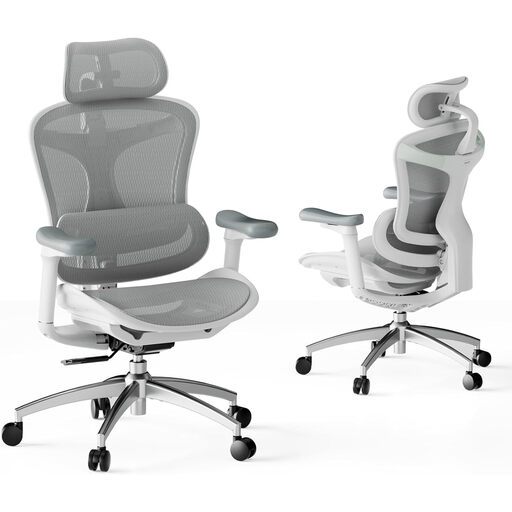
Why it stands out
The SIHOO Doro C300 stands out as a technological benchmark for demanding remote workers. Its key feature? Dynamic, self-adapting lumbar support that follows the body's movements to provide continuous support. The fully breathable mesh backrest and seat ensure optimal thermal comfort, even on the longest days. Its smart mechanism detects the user's weight to adjust the recline tension, delivering a nearly custom-fit experience without any manual adjustments.
Pros
Who is it for?
For professionals and individuals who spend more than 8 hours a day at their desk. It's the smart investment for those who prioritise ergonomics and innovation and want a long-term solution for back pain.
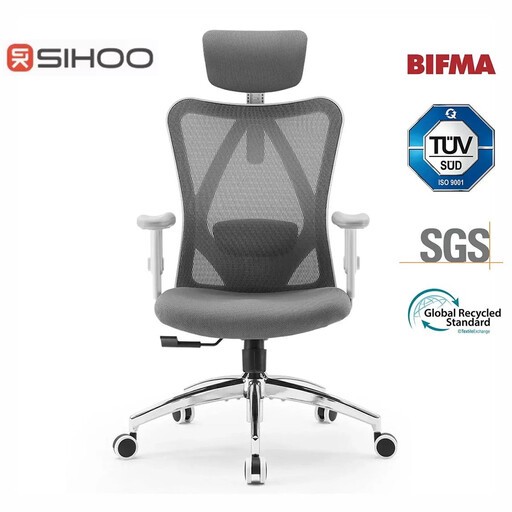
Why it stands out
The SIHOO M18 is renowned for its excellent value for its features. It doesn't skimp on adjustments, offering five ergonomic adjustment points, including the headrest, lumbar support, height, tilt, and armrests. Its W-shaped seat, padded with high-density foam, is designed to distribute pressure and reduce leg fatigue. The breathable mesh backrest ensures good air circulation.
Pros
Who is it for?
Ideal for users looking for their first comprehensive ergonomic office chair, offering a remarkable balance between full adjustability, comfort, and an affordable price point. It's perfectly suited for a home or corporate office.
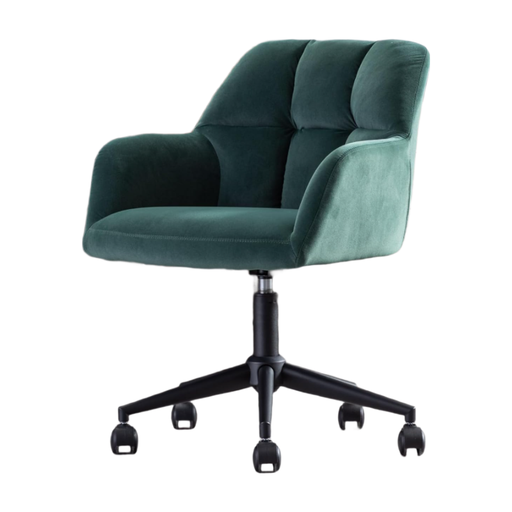
Why it stands out
This chair from Chairus focuses on blending aesthetics and comfort. Its soft velvet upholstery and elegant design make it a piece that fits just as well in a workspace as it does in a living room or bedroom. While it offers basic ergonomic adjustments like seat height and a 360° swivel base, its main appeal is its polished look and exceptionally inviting seat.
Pros
Who is it for?
For those who prioritise aesthetics and are looking for a comfortable chair for moderate use (a few hours a day). It's the perfect choice if you believe an office chair should also be a beautiful decorative piece.
Our selection highlights specific needs, but the world of office chairs is much broader. To discover other styles, materials, or features, explore our full category and find the chair that will perfectly suit your space and your habits.
Discover Our Full Range of Home Office Solutions
Classic lumbar support is usually adjustable in height and/or depth, but it remains in a fixed position once set. Dynamic lumbar support, like that on the SIHOO Doro C300, is designed to move with you. It adapts in real-time to your changes in posture, ensuring permanent support for your lower back, whether you're leaning over your keyboard or reclining.
The lifespan of a chair depends on the quality of its components and its usage. An entry-level model might show signs of wear and tear after 1 to 2 years. In contrast, a high-quality chair with certifications like BIFMA is tested to withstand heavy use for at least 5 years, and often much longer. The warranty offered by the manufacturer (often 3 years or more on quality models) is also an excellent indicator of its durability.
Absolutely. They are one of the pillars of ergonomics. Properly adjusted armrests support your forearms and reduce strain on your shoulders, neck, and upper back. 3D or 4D armrests offer the most flexibility, allowing you to position them exactly where you need them, whether you're typing, reading, or resting.