
Livraison le jour même ou le lendemain

Qualité garantie

Débloquez vos offres de bienvenue: Livraison GRATUITE | Jusqu'à -80 % | 30 jours d'essai gratuits à JoyPlus
Téléchargez l'application
Stiff neck, sore shoulders when you wake up? Look no further: your pillow is likely the culprit. The promise of finally getting restorative sleep thanks to an ergonomic memory foam pillow is tempting. However, it's easy to get lost in the marketing jungle and regret your purchase. As a product expert at Joybuy, my mission is to decode this information for you to help you make a truly informed choice.
Before you dive in, beware of these common pitfalls that can turn an investment in your well-being into a costly disappointment:
To avoid these pitfalls, focus on objective features. Here are the three parameters to scrutinise before any purchase.
The pillow's shape must conform to your primary sleeping posture to ensure perfect spinal alignment.
Density, expressed in kg/m?, is the most reliable indicator of the quality and durability of a memory foam cushion. Don't confuse it with firmness, which is a subjective feeling.
A pillow with good density will return to its original shape every morning and retain its properties for several years.
This is the Achilles' heel of memory foam: it tends to retain heat. To avoid waking up in a sweat, choose models designed for maximum breathability.
Look for technologies like:
Here are a few models that meet specific needs, based on the objective criteria we've just detailed.
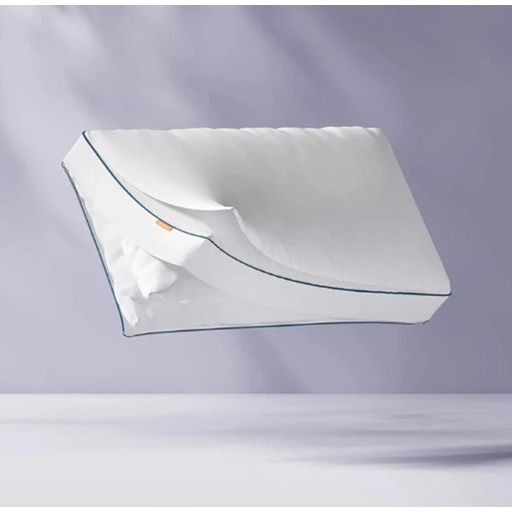
Why we love it: It's specifically designed with thermoregulating materials to dissipate heat, making it perfect for people who tend to sweat or feel too hot at night.
It goes beyond a simple gel layer by relying on breathable materials and a structure designed for airflow, ensuring lasting coolness.
Adjustable height thanks to its modular filling, and fully machine-washable for impeccable hygiene.
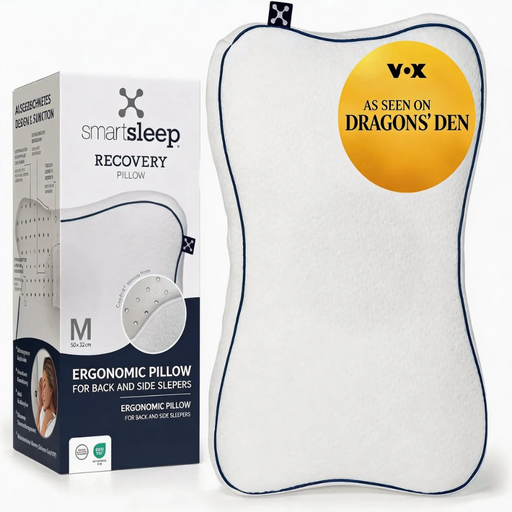
Why we love it: Its ergonomic shape with a central dip is designed to align the spine and provide targeted neck support, which is essential for relieving tension.
Unlike generic "wave" pillows, its specific contour adapts precisely to the natural curve of the neck, thus avoiding the "one-size-fits-all" trap.
Viscoelastic foam with ventilation channels and Oeko-Tex certification, a guarantee of quality and safety for sensitive skin.
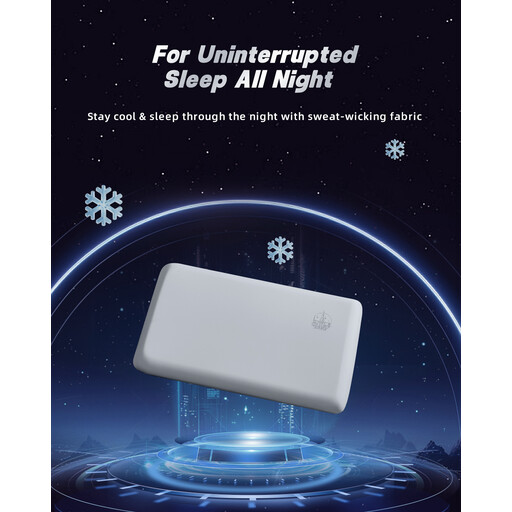
Why we love it: Its classic wave shape and medium height make it an excellent compromise for those who switch between their back and side, providing consistent support without being too specialised.
This model offers a reliable density for daily use, avoiding the rapid sagging of low-grade foams. It's a durable entry point into ergonomic comfort.
Versatile design suitable for multiple positions and a Queen Size format (42x70 cm) offering a large comfort surface.
Discover our full selection of products that meet our strictest quality and safety criteria.
A good orthopaedic pillow, with adequate foam density, will effectively last you for 2 to 3 years. Beyond that, even if it seems to be in good condition, it may have lost some of its supportive properties. If you notice it's not bouncing back to its shape as quickly or if your neck pain returns, it's time for a replacement.
This is the most personal criterion. A pillow for side sleepers should be high enough to keep your head aligned with your spine. For back sleepers, a lower pillow is necessary to avoid creating tension. A tip: measure the distance between the side of your neck and the edge of your shoulder. This is a good indicator of the height required if you sleep on your side.
Be careful, as a general rule: only the cover is machine-washable. The memory foam block itself cannot withstand water or the dryer, as this would permanently destroy its structure. To maintain it, air it out very regularly. Some models, particularly those with shredded foam, may be fully washable: always check the manufacturer's care label. A hypoallergenic pillow with a washable cover is an excellent choice for sensitive individuals.