
Livraison le jour même ou le lendemain

Qualité garantie

Débloquez vos offres de bienvenue: Livraison GRATUITE | Jusqu'à -80 % | 30 jours d'essai gratuits à JoyPlus
Téléchargez l'application
An ergonomic memory foam cervical pillow can improve sleep comfort when your neck and shoulders are regularly under strain. However, marketing claims alone are not enough to make an informed choice. Excessive height, heat-retaining foam or a cover that is difficult to care for can turn an appealing purchase into an uncomfortable everyday accessory.
The Joybuy Product Recommendation Officer’s selection is therefore based on practical criteria: shape, height, composition, breathability, care and compatibility with your sleeping position.
A very firm pillow is not necessarily a good pillow for neck pain. Foam that is too rigid can increase pressure on the neck or shoulders. Conversely, a model that is too soft may sag and disrupt head alignment during the night.
The right level of support depends on your build, shoulder width and sleeping position. If you sleep on your side, sufficient height helps fill the gap between your shoulder and head. On your back, a thinner model may prove more comfortable.
Memory foams can have very different densities, structures and recovery speeds. A single layer may provide a soft initial feel, but some sleepers prefer a more stable base. Multi-layer models generally separate the comfort layer, intermediate support and stabilisation.
You should also allow the pillow to air for 24 to 48 hours after unpacking, as recommended by several foam pillow manufacturers. This helps disperse any manufacturing odours before the first night’s use.
A cervical contour pillow moulds more closely around the head and neck than a traditional cushion. If air does not circulate properly, it may therefore feel warmer, particularly in a poorly ventilated bedroom. A removable cover that can be washed separately also makes care much easier.
People who are sensitive to allergens can check the information relating to the materials and labels. However, a statement such as OEKO-TEX must be interpreted according to the certification and product concerned: it does not replace reading the technical specifications carefully.
A height of 8 cm, as found on several models featured here, will not suit every body shape. Compare this measurement with that of your current pillow and observe your position: your head should not be tilted noticeably upwards or downwards.
A shape with a central recess can help keep your head in a stable position. Side contours designed to accommodate the shoulders are particularly useful for a pillow for side and back sleepers, provided their height suits your build.
Slow-rebound foam gradually moulds itself to the contours of your head and neck. For more structured support, prioritise product pages that clearly describe several layers or a supportive base. Vague descriptions do not allow you to compare two products properly.
An anti-pressure pillow should be assessed according to its shape, initial feel and stability. This expression is not a medical claim. If you experience persistent pain, an injury or unusual symptoms, seek advice from a healthcare professional.
Check whether the cover is removable and washable, and whether the foam core should only be surface-cleaned. Foam should generally not be machine-washed. Allow it to air-dry away from direct heat, and replace the product if it starts to deteriorate or crumble.
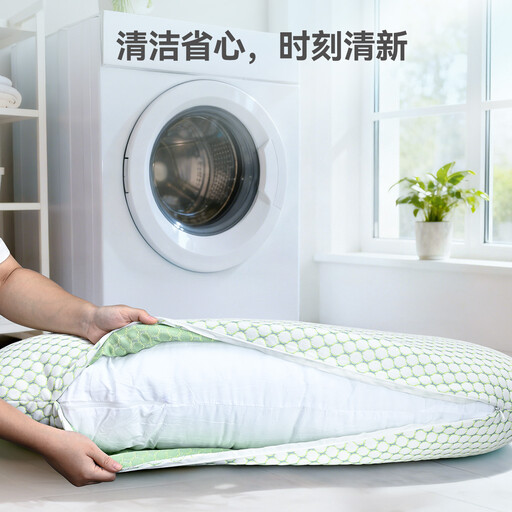
Why this choice suits this profile: Its wedge shape is designed for pregnant people looking for targeted, adjustable support rather than a traditional cervical pillow.
The two additional cushions let you adjust the distance and support area, rather than forcing you into a single position that may not suit you.
Fabric described as breathable, high-density cotton filling, adjustable cushions and a removable cover that can be washed separately.
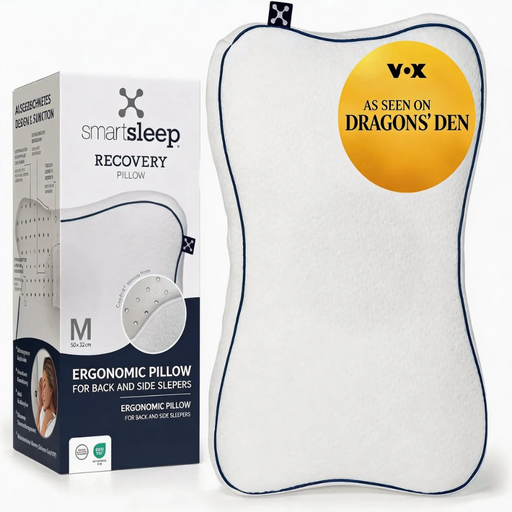
Why this choice suits this profile: Its head recess, stated ventilation channels and suitability for back and side sleeping make it a good option for sleepers looking for a breathable pillow.
The ventilated design helps limit overheating, while the cover and certified materials mentioned in the product description provide more specific information than a simple “anti-allergy” claim.
Viscoelastic foam, integrated air channels, a shape suited to back and side sleepers, and a stated 30-night home trial period.
We have compiled a complete, real-time updated list of products that meet these demanding selection criteria and European safety standards.
Yes, some models are designed for side and back sleeping. Above all, check the height, your shoulder width and whether the side areas are sufficiently structured. A pillow that is too low can cause your head to tilt towards the mattress, while a model that is too high may create tension.
A few nights of adjustment are often needed, as its shape changes your usual points of reference. Start by airing the product, then introduce it gradually. If discomfort increases or persists, its height or firmness may not suit your body shape.
Use a suitable pillowcase, air the bedroom regularly and clean only the parts specified in the care instructions. Avoid folding the foam core for extended periods. Inspect it from time to time and replace it if the material becomes badly misshapen, breaks down or no longer provides even support.