
Livraison le jour même ou le lendemain

Qualité garantie

Débloquez vos offres de bienvenue: Livraison GRATUITE | Jusqu'à -80 % | 30 jours d'essai gratuits à JoyPlus
Téléchargez l'application
Whether you're a hardcore gamer or working from home full-time, spending hours glued to your desk puts a serious strain on your body. The wrong chair is a recipe for back pain and chronic fatigue. The problem? The market is flooded with models that have killer looks but often hide poor ergonomics. This guide is here to help you cut through the marketing hype and choose an ergonomic gaming chair that is also an excellent comfortable office chair, by focusing on what really matters.
The market is saturated with aggressively designed models—illusions that hide subpar ergonomics. Here are the most common pitfalls that can cost you dearly, both in comfort and in cash.
To invest wisely, focus on the technical specifications that have a direct impact on your posture and daily well-being.
Foam density, expressed in kg/m?, is the true barometer of your chair's quality and longevity.
An ergonomic chair should adapt to you, not the other way around. Here are the must-have adjustments:
While faux leather (or PU) is easy to clean, it has the disadvantage of getting hot and causing sweat during long sessions. A quality fabric gaming chair, featuring breathable technical fabrics (like Elastron, for example), ensures much better air circulation, a more pleasant feel, and excellent durability.
Rather than an endless catalogue, we've selected three models that meet our demanding criteria, each designed for a specific user profile.
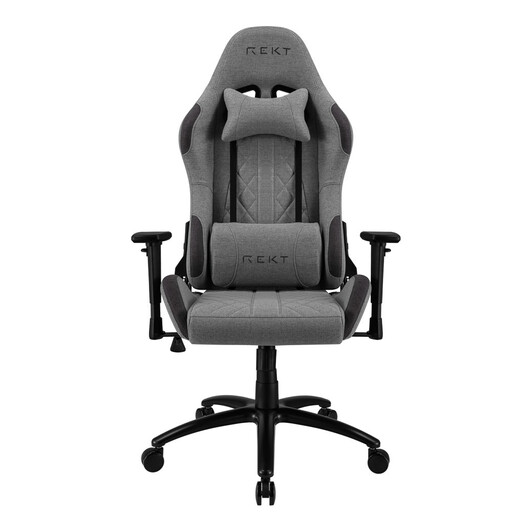
Why we chose it: This model is the archetype of the versatile gaming and office chair. Its understated design and comprehensive adjustments make it a trusted ally for long workdays followed by gaming sessions.
Its 55 kg/m? foam prevents premature sagging. Its 3D armrests and adjustable cushions ensure true ergonomics, a far cry from purely cosmetic designs.
Excellent value for a chair built on a 100% metal frame and base, guaranteeing rock-solid durability.
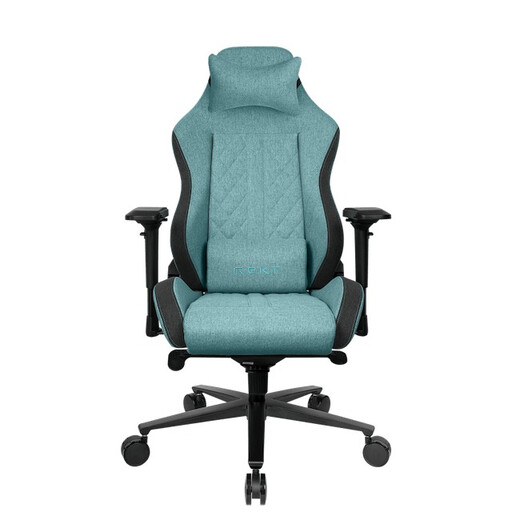
Why we chose it: For those who put in the hours and demand high-end materials. This model is built for performance and very long-term comfort.
Its very high-density cold-cured foam (65 kg/m?) offers support that won't lose its shape. Its water-repellent technical fabric makes maintenance a breeze and preserves its breathability.
The ACD-12 aluminium base and oversized 75 mm casters ensure perfect stability and a smooth glide on any floor.
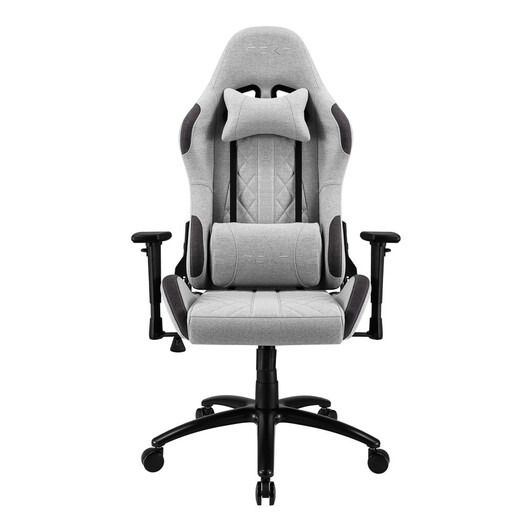
Why we chose it: For those who want all the benefits of an ergonomic chair without the sometimes-garish "gaming" aesthetic. Its clean lines and light grey colour blend seamlessly into an office or living room.
This model never sacrifices ergonomics for aesthetics. It retains all the strengths of the RS line: dense foam, 3D armrests, and a metal frame.
Its light grey, breathable Elastron fabric is both elegant and high-performance. It offers excellent thermal comfort and easily complements any decor style.
We have tested and approved a full selection of chairs that meet these quality criteria and European safety standards.
A chair's longevity primarily depends on the quality of its components. A model with a metal frame, a sturdy base (metal or aluminium), and foam density over 50 kg/m? can easily last between 5 and 10 years with normal use. Conversely, entry-level models with plastic bases and low-grade foam often start to show wear after only 1 or 2 years.
Absolutely. It's arguably the most important element. Lumbar support helps maintain the natural curve of your lower back (the lumbar lordosis). Without it, we tend to slouch, which compresses the intervertebral discs and can, over time, lead to chronic pain. Good support, whether integrated or in the form of a cushion, is non-negotiable if you spend more than two hours a day sitting.
Maintaining a fabric gaming chair is much simpler than it seems. For dust and crumbs, a regular vacuum with the brush attachment is sufficient. If a spill occurs, act quickly: a soft cloth and a little warm water, and you're all set. On technical fabrics like Elastron, which are often water-repellent, liquids bead up on the surface and can be wiped away in an instant. Most importantly, never use harsh chemical products that could damage the fibres and their treatment.