
Livraison le jour même ou le lendemain

Qualité garantie

Débloquez vos offres de bienvenue: Livraison GRATUITE | Jusqu'à -80 % | 30 jours d'essai gratuits à JoyPlus
Téléchargez l'application
Choosing an ergonomic fountain pen for a right-handed child isn't just about picking a colour or a well-known brand at random. When a child is first learning to write, a poorly suited grip, a nib that's too stiff, or ink that's difficult to erase can quickly put them off.
To avoid any nasty surprises, it's best to look at a few concrete criteria: the orientation of the nib, the shape of the grip, the type of cartridge, and how easy it is to maintain. Here are the points to check before buying a fountain pen for beginners, whether for school or for home.
A fountain pen for a child might feel comfortable in the shop without actually suiting the hand position of a right-handed user. A nib designed for a specific orientation makes contact with the paper easier and reduces friction.
When a child starts writing with a fountain pen, models designed for right-handed users are therefore the ones to go for. An adjustable nib can also help adapt the angle to the child's posture and the tilt of their exercise book.
The simple word "ergonomic" doesn't guarantee good comfort in use. Instead, check for a non-slip grip, grooves, or guides to help position the fingers. A body that's too smooth often makes the child grip the pen tighter, which can make writing sessions uncomfortable.
The grip area needs to be wide enough for small hands, while avoiding too much weight at the front of the pen.
An erasable ink pen is practical for homework and exercises, but not all cartridges are universal. Short, long, or proprietary formats aren't necessarily compatible with every fountain pen.
Before buying, check:
For a right-handed child, the angle of the nib should follow the natural movement of the hand. The STABILO EASYbirdy is presented as a model for right-handed users, with a nib adjustable to three positions using the tool provided. This adjustment can prove useful if the child's posture changes or they hold their exercise book at a particular angle.
It's best to make the adjustment after removing the cartridge and following the manufacturer's instructions. Never force the nib or twist it by hand.
A good ergonomic pen for right-handed users should help the child place their fingers correctly, without forcing them. The grooves on the grip, its non-slip coating, and the protection around the base of the nib all help reduce slipping and ink marks on the fingers.
For daily school use, the pen should also be easy to close. The cap plays an essential role in preventing the ink from drying out between exercises.
Erasable blue ink makes corrections easier, but how well the erasing works depends on the type of ink and the tool used. It's therefore better to check the information on the packaging rather than wrongly assuming that every blue cartridge is erasable.
The Parker erasable blue ink cartridges are described as long QUINK cartridges, sold in packs of five and designed for Parker fountain pens. Don't choose them for another model without first confirming their compatibility. An ill-suited cartridge can leak or prevent the nib from being fed properly.
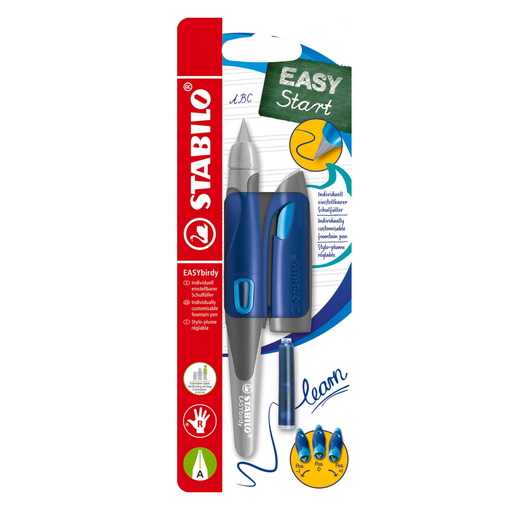
Why this choice suits this profile: This model is designed for right-handed children who are discovering the fountain pen. It comes with a cartridge, an adjustment tool, and a navy blue and azure body.
The right-handed version and the nib adjustable to three angles prevent you from ending up with a generic, poorly oriented model.
Grooved non-slip grip, protected nib base, and erasable blue ink according to the product description.
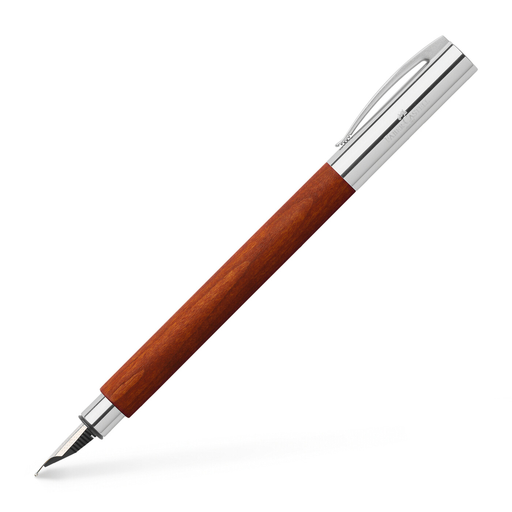
Why this choice suits this profile: Its pearwood body and medium stainless steel nib are aimed at someone looking for a durable instrument for regular writing.
The medium stainless steel nib and the overall balance of the pen offer more precise guidance than a model chosen purely for its appearance.
Genuine pearwood, chrome finishes, and a system compatible with an international cartridge or converter.
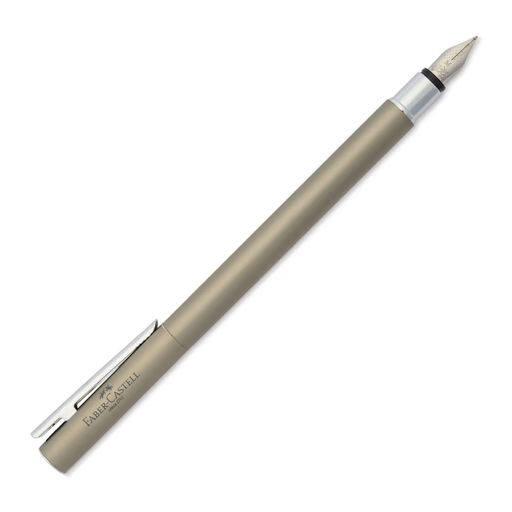
Why this choice suits this profile: Its slim format and fine nib are ideal for detailed note-taking, planning, and regular writing once the basics have been mastered.
The fine nib and balanced structure encourage control, rather than a bulky, unwieldy body.
Matte stainless steel body, fine nib, and stated compatibility with standard international cartridges.
We've put together a comprehensive, real-time updated selection of products that meet these demanding criteria as well as European safety standards.
To extend the life of a learning fountain pen, a few simple steps are all it takes:
A fountain pen can last a long time if the child doesn't use it like a pencil and avoids pressing too hard on the paper.
Look for a model explicitly designed for right-handed users, with a non-slip grip and a nib that's soft enough to write without applying excessive pressure. The STABILO EASYbirdy combines these features, with adjustment to three angles and a cartridge included.
Follow the format specified by the pen manufacturer. Parker long cartridges, for example, are presented as compatible with Parker fountain pens. They won't automatically work with a STABILO or Faber-Castell model.
The cost depends mainly on how often it's used, the number of cartridges per pack, and their compatibility. A model supplied with a cartridge lets you start straight away, but remember to check the price of refills before going ahead with the purchase.