
Livraison le jour même ou le lendemain

Qualité garantie

Débloquez vos offres de bienvenue: Livraison GRATUITE | Jusqu'à -80 % | 30 jours d'essai gratuits à JoyPlus
Téléchargez l'application
Long hours at the office, endless car journeys, restless nights due to a sore neck… These situations are a daily reality for many of us. An ergonomic cushion might seem like a miracle solution, but the market is a jungle where marketing promises often hide a disappointing reality.
As the Head of Product Selections at Joybuy, my role is to help you see things more clearly. Together, we'll break down the common pitfalls to avoid so you can make a choice that truly meets your needs, not one that just follows the lure of advertising.
Before you even start comparing spec sheets, it's crucial to sidestep the classic mistakes that lead to buyer's remorse.
To choose a product that will genuinely provide relief, rely on objective characteristics rather than brand messaging.
The choice of material determines the comfort, support, and lifespan of your cushion.
A cushion is only effective if it's used in the right context.
Here are a few options that cater to specific user profiles, taking into account quality and functional criteria.
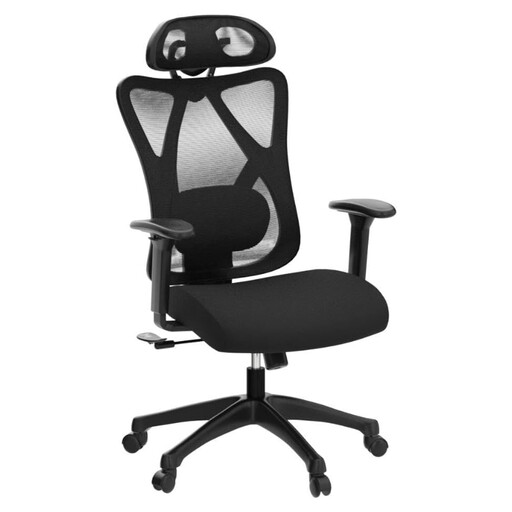
Why it's the right choice: For those who spend their days in front of a screen, an all-in-one solution is often more effective than a simple cushion. This chair offers comprehensive and fully adjustable support.
It bypasses the "one-size-fits-all" myth with its 3D lumbar support and adjustable seat height, allowing for a precise fit tailored to your body.
The mesh backrest is highly breathable and prevents overheating. Its robust frame, designed to support up to 150 kg, is a sign of its durability.
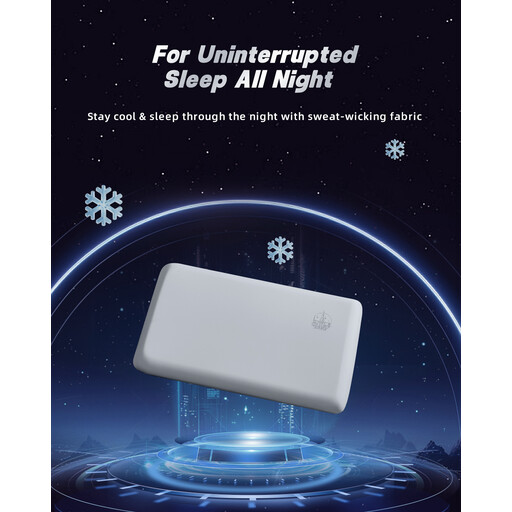
Why it's the right choice: Perfect for those who want to put an end to neck pain and get back to quality sleep. Its shape is engineered to adapt to different sleeping positions.
Far from being a simple block of foam, this pillow has a wave shape specifically designed to cradle the neck. A much more effective approach than a standard "one-size-fits-all" model.
Its versatility. Whether you sleep on your side, back, or stomach, it adapts. Its memory foam is specifically designed to relieve pressure points.
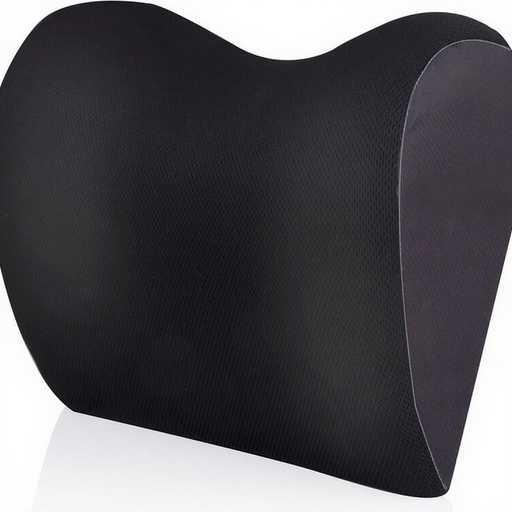
Why it's the right choice: Specially designed for long journeys, this cushion tackles neck fatigue and helps you maintain good posture behind the wheel.
Its adjustable strap ensures it stays firmly attached to the headrest posts. No more slipping or poorly positioned cushions—a common flaw in budget models.
It is made of 100% memory foam for uncompromising support. As a practical touch, its breathable mesh cover is removable and machine-washable.
Explore our full selection of products, all vetted by our experts against strict quality and safety criteria.
It all depends on the foam's density and how you use it. A high-quality cushion (density > 45 kg/m?), used daily, will maintain its effectiveness for 2 to 3 years. In contrast, a budget model can sag in less than a year.
The ideal thickness depends on your sleeping position and body type.
Yes, especially for journeys longer than 30 minutes. Car seats, even new ones, are rarely a perfect fit for every body type. A lumbar support helps maintain the natural curve of the lower back, which reduces pressure on the intervertebral discs and prevents lower back pain or that notorious end-of-trip back pain.