
Livraison le jour même ou le lendemain

Qualité garantie

Débloquez vos offres de bienvenue: Livraison GRATUITE | Jusqu'à -80 % | 30 jours d'essai gratuits à JoyPlus
Téléchargez l'application
Whether for work, play, or relaxation, spending hours in a seated position can quickly become a nightmare for your back. A proper ergonomic chair isn't a luxury; it's a genuine investment in your daily well-being. The problem? The market is flooded with models making tempting marketing promises, and it's easy to make a mistake. This guide is here to help you decode the essential features, avoid the common pitfalls, and finally find the seat that's truly right for you.
The word "ergonomic" has become a catch-all marketing buzzword. Before you pull out your credit card, beware of these classic mistakes that can cost you dearly, both in comfort and in cash.
To avoid these disappointments, focus on the objective criteria that make all the difference.
An effective chair should adapt to you, not the other way around. Check for the presence and range of the following adjustments:
The longevity of your comfort is directly linked to the quality of the materials.
Rather than an impersonal product list, we've selected models that meet specific needs while avoiding the pitfalls mentioned earlier.
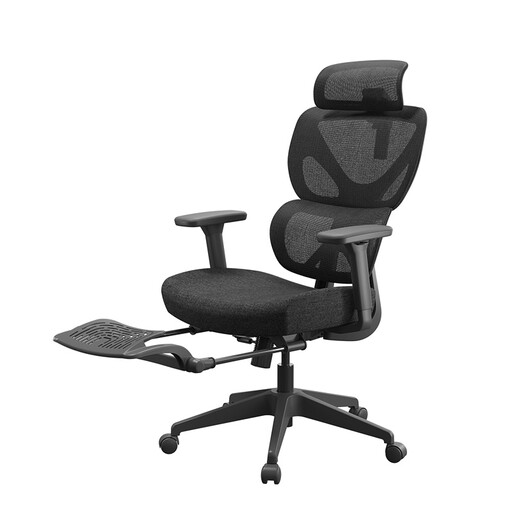
Why we recommend it: Designed for remote work marathons, this chair offers a full suite of adjustments for customised support, from the headrest to the footrest.
It doesn't just wear the "ergonomic" label. It proves it with concrete, useful adjustments: dynamic lumbar support, 3D armrests, and a 10 cm thick seat.
Its retractable footrest is a real game-changer for varying your posture and boosting blood circulation, a major asset for long-term comfort.
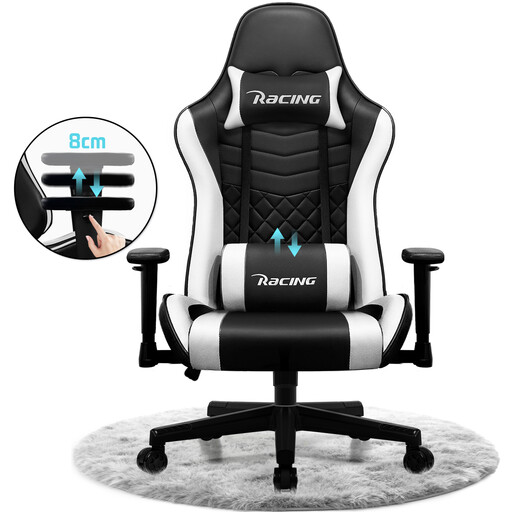
Why we recommend it: This gaming chair is built for performance and endurance, with a steel frame and materials designed to withstand the most intense gaming sessions.
It doesn't sacrifice substance for style. The proof: a heavy-duty steel frame and an SGS-certified gas lift, capable of supporting up to 150 kg. Here, function takes priority over form.
Its high-density cold foam won't sag, even after an all-nighter, and its height-adjustable lumbar cushion ensures perfectly targeted support.
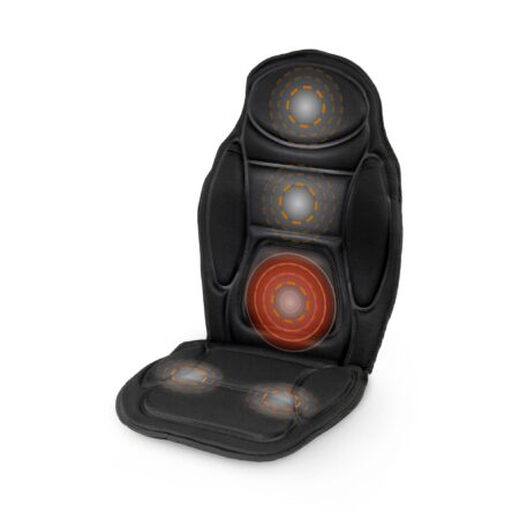
Why we recommend it: The versatile solution for turning any chair into a massage seat, whether at the office, at home, or even in the car (passenger side, of course).
This massage seat doesn't pretend to be something it's not. It doesn't replace an ergonomic chair but provides a targeted solution for muscle relaxation, thus avoiding the "false universal solution" trap.
The combination of 5 massage programs, 4 targeted zones, and a heating function allows you to create a customised relaxation session.
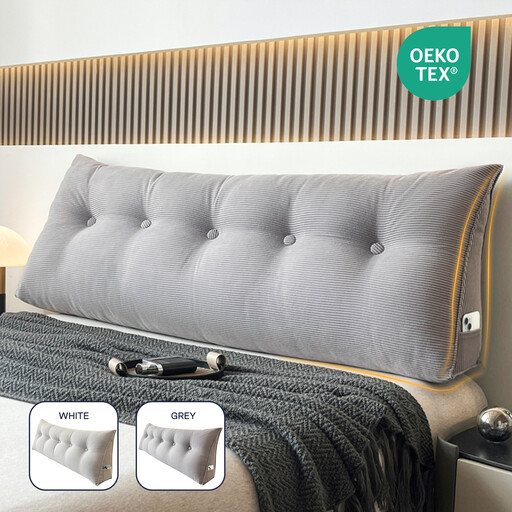
Why we recommend it: Perfect for turning your bed or sofa into a cosy reading (or Netflix) nook, this back cushion offers support that is both firm and enveloping.
Far from being a gimmick, this is a specialised accessory. Its triangular (*wedge*) shape is designed to maintain a healthy posture in a semi-seated position, where a classic chair is completely unsuitable.
Its wide 150 cm span provides stable support for one or two people. A significant bonus: its cover is removable and machine-washable, which makes maintenance much easier.
For those who want to take their quest for comfort a step further, we've put together a complete selection of hand-picked products.
It's a must-have, and it's one of the most crucial elements. Our spine has a natural S-shaped curve. Sitting for too long, especially in a bad chair, tends to flatten this curve in the lumbar region. The result: increased pressure on the intervertebral discs and back muscles. Good, adjustable lumbar support fills this gap to maintain a healthy posture, thereby reducing fatigue and the risk of chronic pain.
It all depends on the quality of its components. An entry-level model will show its limits (flattened foam, creaky mechanism) in just 1 to 2 years. Conversely, a quality model with a steel frame, a certified gas lift, and high-density foam can last you for 5 to 10 years, or even longer, with minimal maintenance. A good rule of thumb: check the warranty period. It's often an excellent indicator of the manufacturer's confidence in their product's durability.
Yes, but under certain conditions. Both types of seats often share ergonomic foundations (adjustable armrests, lumbar support...). However, a gaming chair often features a more enveloping bucket-style backrest, designed for immersion, while a classic ergonomic office chair prioritises freedom of movement. If the gaming model you're considering checks all the boxes (essential adjustments, quality foam), then it can be perfectly suitable for office use.